Best Time To Visit Montenegro
Montenegro packs a warm Adriatic coast, a 78 km rafting canyon and a 1,456 m mountain base town into a country smaller than Wales, so the best time to visit depends almost entirely on which of those three you came for.
Short answer
June and September are the strongest all-round months: the sea is warm enough to swim, Tara rafting runs at good water levels, and cruise crowds in Kotor thin compared with July and August. July and August suit beach-first trips; May and early October suit hikers and rafters who accept cooler water.
Montenegro is small enough that a single trip can touch a swim stop in the Blue Cave, a rafting stretch of the Tara River and a viewpoint above 1,456 m in the Durmitor massif, all inside one week. That range is exactly why timing matters more here than in a single-resort destination. The coast around Bar averages a July daily maximum of 30.1 C, while Zabljak, the base town for Durmitor, averages just 21.4 C in the same month and drops to a January minimum of -7.4 C. Those are different trips wearing the same flag. Whatever month you choose, conditions on the coast and in the mountains call for different preparations, so pair your timing plans with our guide to safety in Montenegro before you lock in the itinerary.
This guide works through the year month by month, Conditions differ sharply between the coast at Bar, the Podgorica lowlands and the northern mountains at Žabljak, so the same month can feel like three different trips. On the Tara, the rafting season runs April to October, with the biggest water in April and May as the snowmelt comes down. Where a figure is a rule rather than a forecast, it is labelled as one. Nothing here promises a sighting, a sea state or a windless day: boat trips on the Bay of Kotor are cancelled for the bura and the scirocco, and the honest answer to "will we get in the cave?" is always "check the listing's cancellation terms."
What Is The Best Month To Visit Montenegro?
For most travellers the answer is June or early September, and the reason is arithmetic rather than taste. The sea is warm enough for comfortable swimming, the Tara rafting season is in full swing with reliable water levels, daytime highs on the coast sit in the mid to high twenties, and the cruise ship crush in Kotor has not yet arrived or has just left. May and October are quieter still, but you trade some swimming days for them.
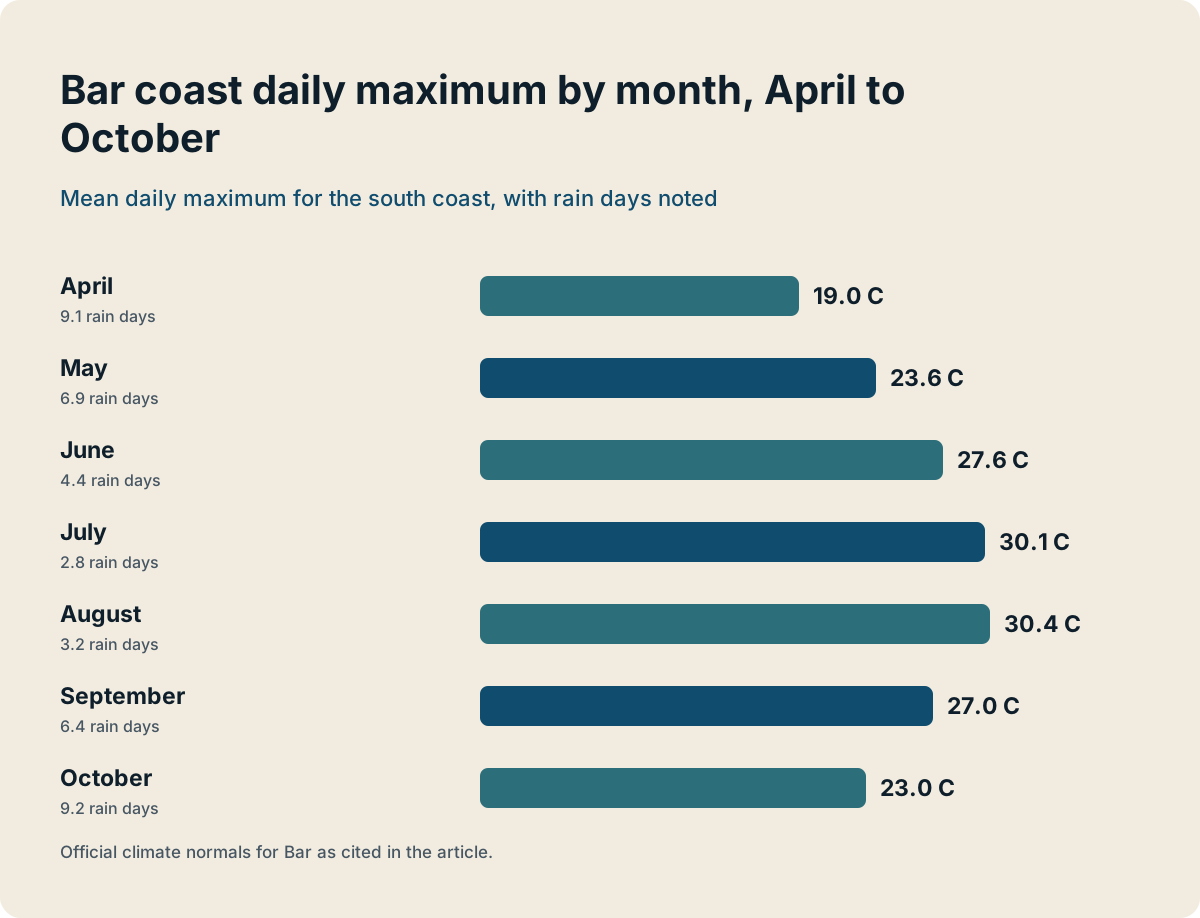
The three towns with official climate normals tell the story plainly. Bar, on the south coast, records a mean daily maximum of 23.6 C in May, 27.6 C in June and 30.1 C in July. Podgorica, the inland capital and the gateway to the north, is hotter still: 25.8 C in May rising to 34.5 C in August, which makes midsummer city sightseeing a morning activity. Zabljak, at 1,456 m beside Durmitor National Park, never gets hot at all, peaking at 22.1 C in August. A single week in June can therefore serve a beach morning in Budva, an afternoon boat trip from Kotor and a hike at Black Lake without any of the three being uncomfortable.
The trade-off months reward different travellers. May brings the Tara at its wildest, fed by Durmitor snowmelt, with Class III rapids and water around 10 to 14 C where wetsuits are required. September and October give the lake and canyon country back to people who prefer it quiet: rafting operators report rising water levels from autumn rains and thinner crowds after the school holidays end. The one period this site would not put at the top of a first visit is November to February, unless the trip is specifically a ski trip or a monastery trip, both of which work fine in cold weather.
When Is The Sea Warm Enough For Swimming?
The comfortable sea swimming window on the Montenegrin coast runs roughly June through September. Air temperature supports beach weather from May, when Bar averages a 23.6 C daily maximum, but the water lags the air by several weeks, so May swimmers are the hardy kind. By July and August both air and sea are at their peaks.
The coast's own numbers frame the season. Bar's mean daily maximum climbs from 19.0 C in April to 23.6 C in May, 27.6 C in June and a July-to-August plateau of 30.1 to 30.4 C. September cools to 27.0 C and October to 23.0 C, still pleasant on the shore though cooler in the water. Rain days tell the other half of the story: June through September average between 2.8 and 6.4 days of rain at 1 mm or more, against 10.4 in November and 11.5 in December. The dry quarter is the beach quarter.
| Month | Bar daily max | Podgorica daily max | Zabljak daily max | Rain days (Bar) |
|---|---|---|---|---|
| Jan | 13.2 C | 11.0 C | 2.2 C | 9.6 |
| Feb | 13.7 C | 12.6 C | 2.6 C | 9.8 |
| Mar | 15.9 C | 16.3 C | 5.5 C | 9.0 |
| Apr | 19.0 C | 20.7 C | 9.7 C | 9.1 |
| May | 23.6 C | 25.8 C | 14.7 C | 6.9 |
| Jun | 27.6 C | 30.7 C | 18.8 C | 4.4 |
| Jul | 30.1 C | 33.9 C | 21.4 C | 2.8 |
| Aug | 30.4 C | 34.5 C | 22.1 C | 3.2 |
| Sep | 27.0 C | 28.4 C | 16.5 C | 6.4 |
| Oct | 23.0 C | 22.8 C | 12.8 C | 9.2 |
| Nov | 18.6 C | 16.5 C | 7.8 C | 10.4 |
| Dec | 14.4 C | 11.8 C | 3.2 C | 11.5 |
These figures are the long-run normals for those three named towns, not Kotor, which has no published climate box of its own; the bay town's sheltered water generally runs a touch warmer than the open coast in shallow swimming spots, but that is a pattern, not a number. For swimmers the practical takeaway is that a June or September trip still gets real beach days, just with a towel rather than a sun lounger afterwards. The montenegro weather by month guide carries the fuller breakdown if you are weighing one shoulder month against another.
Swimming in the Bay of Kotor itself is a separate question from the open coast, and one this site covers in detail in can you swim in the Bay of Kotor. The bay's swimming season tracks the coast's closely, and the same wind caveat applies: the bura can drop temperatures and end swimming for a day or two even in August.
If a boat day on the bay is the centrepiece of the trip, the timing question becomes a booking question, and the strongest months fill first.
When Should You Book A Boat Tour On The Bay Of Kotor?
Book the popular Bay of Kotor speedboat trips two to four weeks ahead for July and August, and a few days ahead in shoulder months. The most-booked listings, such as the 3-hour Blue Cave and submarine base trip from Kotor at 4.8 from 5,099 reviews, run multiple departures a day in season, but cruise ship days still sell them out. Weather, not demand, cancels trips.
The bay's boat calendar is shaped by two forces. The first is the cruise schedule: Kotor's peak cruise window runs May through September, with at least three ships simultaneously alongside or at anchor on a large share of those days, and each ship puts several thousand day visitors within a five minute walk of the Old Town's tour departure points. The second is wind. The bura and the scirocco both stop small boat trips, and no operator sells a guarantee against them; the listing's cancellation and rebooking terms are the thing to read before booking anything non-refundable.
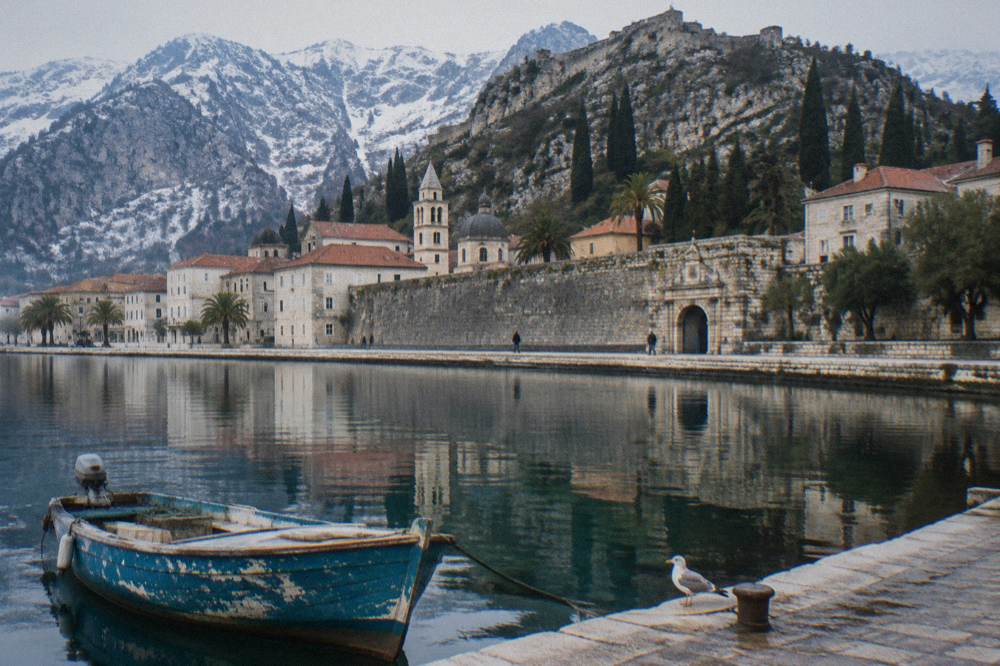
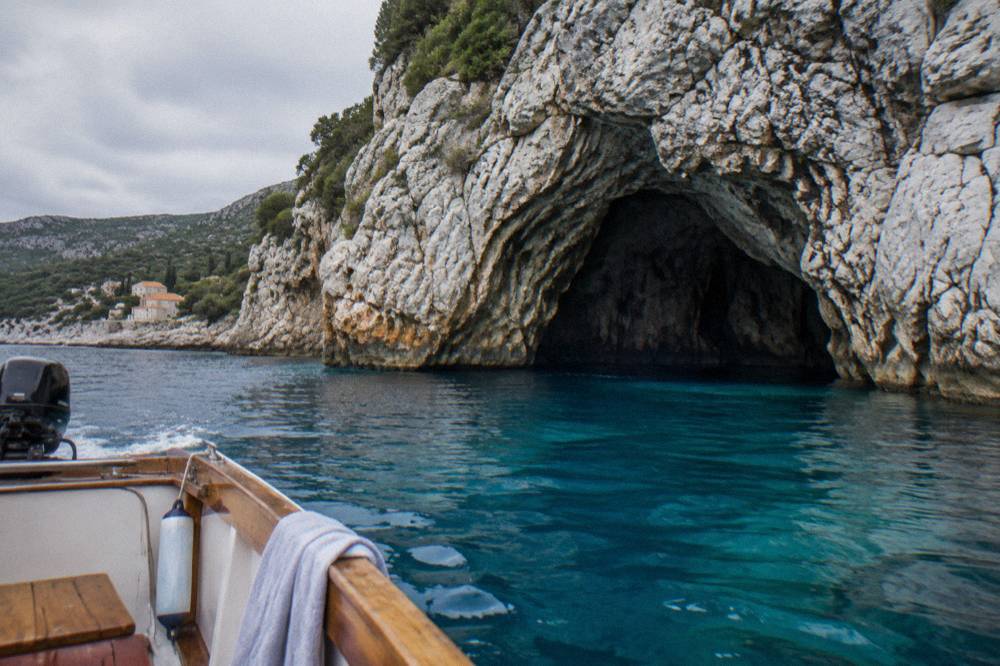
One rule changed the bay experience recently and is worth knowing when you time a swim stop. Since a May 2026 navigation regulation, motorized vessels are banned from entering the Blue Cave itself: boats anchor 10 to 20 metres outside and guests swim in, with operators providing life jackets and kickboards. Non-motorized craft such as kayaks may still enter. If swimming into the cave is the point of the trip, this is now the standard format, and the Blue Cave sea conditions and timing guide explains what that means in practice. The featured trip on this page, the Blue Cave, Submarine Base and Our Lady of the Rocks tour from Kotor, runs about 3 hours from $43 per person with Aquaholic Speedboat Tours.
A longer alternative worth weighing in the same breath is the 4-hour Blue Cave and Perast trip, rated 4.9 from 343 reviews and priced from $51 per person, which trades a shorter day for old town time in Perast. For a full comparison of formats, prices and stop lists, the Our Lady of the Rocks and Perast by boat guide walks through what each stop involves and how the departure points differ.
When Is The Tara Rafting Season?
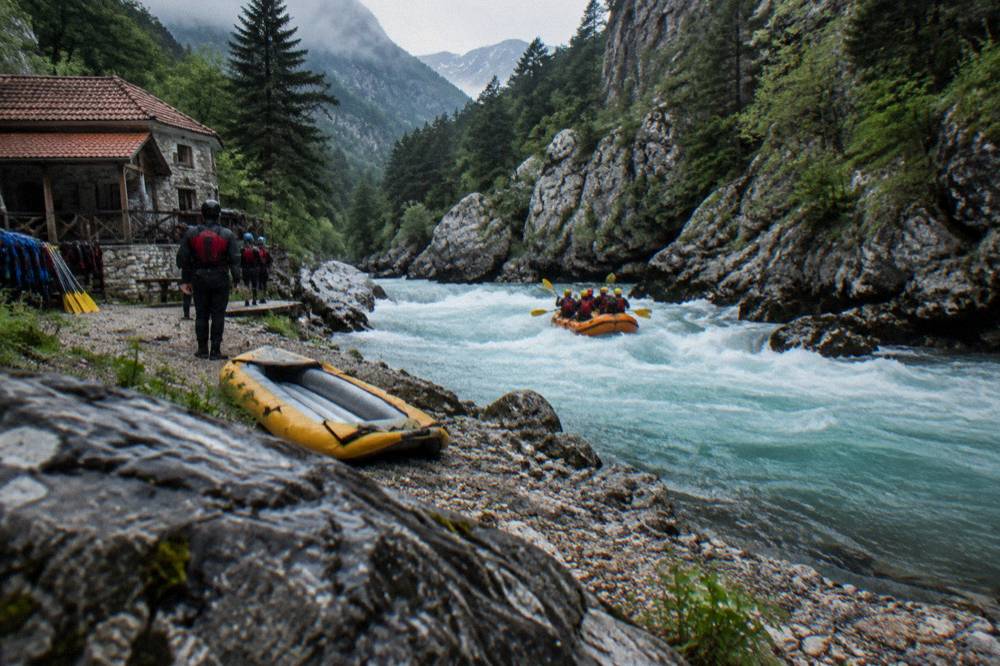
The commercial Tara rafting season runs April to October, per the national tourism organisation, with the wildest water in April and May during the Durmitor snowmelt. May and June bring Class III rapids and water around 10 to 14 C, July and August mellow the river to around 20 C and beginner-friendly levels, and September and October see levels rise again with autumn rains and crowds fall.
The Tara is Montenegro's longest mountain river at 144 km, and its canyon, running 78 km from the mouth of the Bistrica to Scepan Polje, reaches a maximum depth of 1,333 m between Obzor and Stuoc, which makes it the deepest river canyon in Europe. The water that fills it comes largely from Durmitor's snowpack, which is why the season's rhythm is set by melt rather than by rainfall alone. A May trip and an August trip are genuinely different products: the same rapids, but a different river. Other pages covering the same trip are gathered on Montenegro Tours.
| Period | Water character | Who it suits |
|---|---|---|
| Late April to May | Highest water, Class III rapids, 10 to 14 C, wetsuits required | Adrenaline-first rafters |
| June | Strong levels, warming air, exciting but forgiving | Most first-time visitors |
| July to August | Lower and slower water, around 20 C, beginner friendly | Families and cautious swimmers |
| September to October | Levels rising with autumn rain, few crowds | Quieter-trip seekers and photographers |
On this site's roster, the rafting listings span from $56 per person for a 4-hour Tara Canyon trip with Rafting Republic Wild River to $277 per person for an 11-hour Black Lake and Tara Canyon day from Podgorica with pickup, with the 3-hour Rafting with Park Entry trip from Zabljak at $95 per person and a 4.8 from 388 reviews sitting in the middle of the pack. Durmitor National Park entry is EUR 5 per person per day, and some listings bundle it, so check what the price includes before comparing. The Tara rafting season and difficulty guide covers water levels, wetsuit rules and fitness requirements in full.
What Is Winter Like In The Mountains?
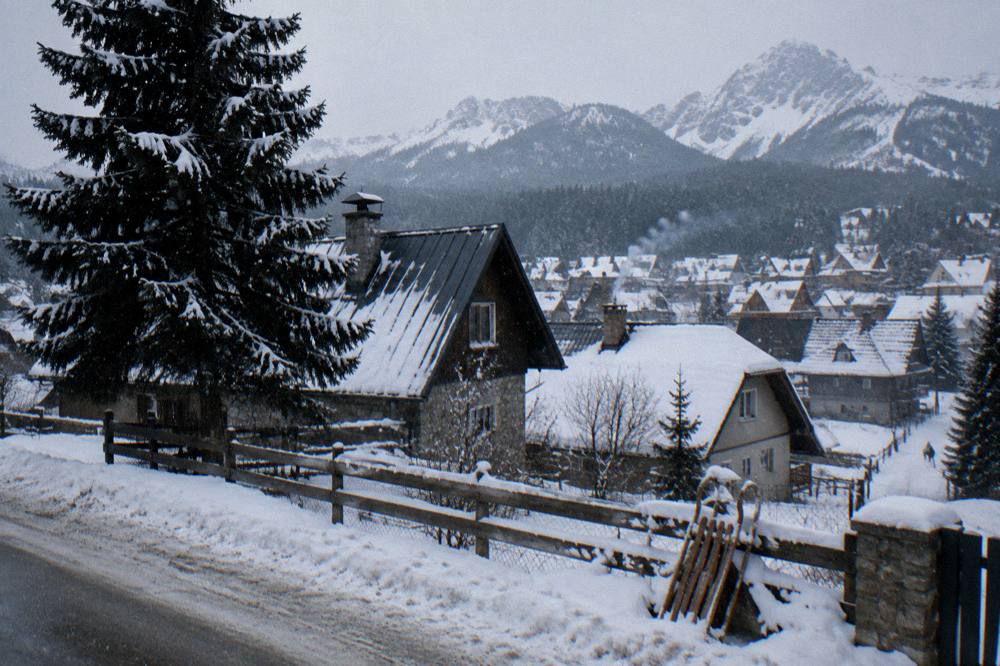
Winter in northern Montenegro is a ski-and-monastery season, not a beach one. Zabljak's January mean daily maximum is 2.2 C with a minimum of -7.4 C, and the ski season at Kolasin and Zabljak typically runs mid-December to early or mid-April when snow allows. On the coast, Bar's January maximum of 13.2 C keeps old towns and monasteries walkable, and Ostrog Monastery operates year-round. For a trip built around snow or old-town walks alike, our guide to choosing a base in Montenegro covers the best towns for each.
The north and the south are different countries in winter, meteorologically speaking. Zabljak's normals show daily maxima below 10 C from November through March, while Bar never drops below a 13.2 C monthly maximum and Podgorica sits between the two. Snow reliability at the state-run ski centres has been uneven in recent seasons, with the 2025/26 opening at Kolasin 1600 proceeding without sufficient natural snow and with one lift out of action, so a ski trip should be booked with flexible dates and a check of conditions rather than a fixed week in mind.
Winter's quiet compensation is that the country's indoor and spiritual sights are at their calmest. Ostrog Monastery, the cliff-carved pilgrimage site, operates daily year-round with approximate hours of 06:00 to 17:00 in the May to September half of the year and 05:00 to 16:00 from October to April, entry is free with donations customary, and the dress code requires covered shoulders and knees. The Ostrog visiting rules guide covers the practicalities, and the 4-hour Ostrog Monastery tour from Podgorica with pickup, rated 4.9 from 37 reviews, runs through the cold months.
How Do Crowds And Prices Change Through The Year?
Crowds and prices peak in July and August and trough from November to March, with the shoulder months of May, June, September and early October offering the best ratio of open trips to available space. Cruise pressure on Kotor concentrates in May to September, and the most-booked boat listings sell out on multi-ship days, while the national parks stay comparatively uncrowded outside August.
The single biggest crowd driver on the coast is the cruise calendar. Kotor's peak window runs May through September, and on the large majority of those days at least one ship calls, with three or more ships simultaneously routine in July, August and September. Every one of those ships puts passengers ashore within a flat five minute walk of the Old Town gates, which is why the walls queue and the boat departure points feel the pressure before anywhere else does. The Kotor cruise port guide explains the docking and tendering patterns, and how many days in Kotor is enough helps if you are building around them.
| Season | Coast | Mountains | Best for |
|---|---|---|---|
| Spring (Apr to May) | Warm days, cool sea | Snowmelt, wild Tara | Rafting, hiking, fewer crowds |
| Summer (Jun to Aug) | Hot, peak crowds and cruise calls | Mild, busiest on Durmitor trails | Beach and boat trips |
| Early autumn (Sep to mid-Oct) | Warm sea, thinning crowds | Stable weather, quiet trails | All-round trips |
| Late autumn (late Oct to Nov) | Mild, quiet, rainier | Cold, short days | Monasteries, city breaks |
| Winter (Dec to Mar) | Cool, quiet | Ski season when snow allows | Skiing, Ostrog, value |
Prices across this site's own tour roster hold broadly steady through the season, because the listings price by format rather than by month: a shared 3-hour speedboat trip runs from $38 to $45 per person whether it is June or September. What changes is availability, not the sticker. The real seasonal savings are in accommodation and in the things you book on the ground, which the Montenegro trip cost guide breaks down line by line.
Which Season Suits Your Trip Best?
Match the season to the single thing the trip is built around. Beach and swimming trips want June to early September; rafting wants May or June for big water and September for quiet; hiking and the Durmitor ring want July to September for snow-free trails; monastery and city breaks work from April to October plus winter for the hardy; ski trips want late December to March, booked flexibly around snow conditions.
A one-week trip that tries to do everything lands best in the first half of September. The sea is still at its late-summer warmth, the Tara is running at moderate levels with autumn rain beginning to lift them, the mountain trails are dry, the cruise calendar is thinning but every tour is still running daily departures, and the lakeside and canyon sights have shed their August queues. June is the mirror image: slightly cooler water, slightly higher river, marginally fewer ships.
For trips anchored on the north, the Durmitor and Tara day trip guide covers how the long mountain days from the coast work, including the 13-hour Durmitor, Tara and Ostrog itinerary from Kotor, rated 4.7 from 2,645 reviews and priced from $120 per person. For trips anchored on the bay, the best day trips from Kotor guide ranks the options by season. Whichever month you choose, book the boat day early, book the rafting day around the water level you want, and leave one day loose for the wind.
The featured Blue Cave trip that anchors this page runs about 3 hours from $43 per person with a 4.8 rating from 5,099 reviews, and the swim-in alternative from the same departure point runs from $40 per person at 4.7 from 4,903 reviews. Both are summer-season products: check the listing for current dates before planning a shoulder-month arrival, since departures thin outside the April to October window that bay operators generally work to.
Common Questions About The Best Time To Visit Montenegro
What Is The Best Month To Visit Montenegro?
June and September for most trips: warm sea, running rafting season and thinner crowds than July and August. July and August suit beach-first visitors who accept peak crowds; May and early October suit hikers and rafters.
When Is The Tara Rafting Season?
April to October, per the national tourism organisation. April and May bring the highest, coldest water from snowmelt; July and August are milder and beginner friendly; September and October see levels rise with autumn rain.
When Is The Sea Warm Enough For Swimming In Montenegro?
Roughly June through September, with the coast still warm enough for swimming in late September. May air temperatures are beach-friendly but the water lags several weeks behind.
Is Montenegro Too Crowded In Summer?
The coast, and Kotor in particular, is busy from May to September, with at least three cruise ships simultaneously alongside or at anchor on many July, August and September days. The northern parks stay far quieter even in August.
Can You Visit Montenegro In Winter?
Yes, for a different trip: skiing at Kolasin and Zabljak when snow allows, Ostrog Monastery year-round, and coastal old towns at their quietest. Bar's January mean daily maximum of 13.2 C keeps walking tours workable.
When Should You Book Montenegro Tours?
Two to four weeks ahead for the most-booked bay boat trips in July and August, a few days ahead in shoulder months. Boat trips cancel for the bura and scirocco winds, so read each listing's cancellation terms before booking.