Is Montenegro Safe
Montenegro is a small, tourism-dependent country on the Adriatic, and most visits pass without incident. This guide separates what official advisories actually say from what forum chatter repeats, and covers the specific safety questions that come up on tours, roads, the border and the water.
Short answer
Official travel advisories from the US State Department and the UK Foreign Office treat Montenegro as an ordinary European destination: take normal precautions, watch for petty theft in crowded areas, and drive carefully on mountain roads. No advisory names Montenegro as high risk. The practical safety questions for most visitors are roads, sea conditions and border paperwork, not crime.
Montenegro receives the bulk of its visitors between April and October, most of them concentrated in a coastal strip no wider than a few kilometres and a bay that saw 380 scheduled cruise calls between May and the end of September 2026 alone. With that kind of volume, the honest safety question is rarely "is anything likely to happen to me" and much more often "which specific situations here deserve my attention". This guide works through those situations one at a time: what foreign governments actually advise, what the roads are like, what the border with Croatia involves, how tours on the water and rivers are run, and what the weather does at the times of year people visit.
Nothing here sensationalises. Where a claim cannot be tied to an official source, a dated regulation or a tour listing's own text, it says so, and the guide points you to where to check the current position yourself. Safety doubt is usually a pre-booking objection, and the best answer to it is verifiable detail rather than reassurance. For the practical paperwork side of a visit, the companion guides on Montenegro entry rules and EES and on crossing the Croatia border go deeper than this page does.
What Do Official Travel Advisories Say About Montenegro?
Official advisories treat Montenegro as a normal European destination rather than a risk case. The US State Department's travel advisory and the UK Foreign, Commonwealth and Development Office country page both frame the main issues as petty theft in tourist areas, uneven road conditions and the occasional winter weather disruption, not violent crime or instability. Read the advisory itself before booking, since levels and wording change.
Neither the US nor the UK system assigns Montenegro its elevated warning tiers. That places it in the same advisory band as most of the European Union, which is the practical baseline most travellers expect. The standard advisory language for the region asks visitors to take normal security precautions: keep valuables out of sight, be alert in crowds and on public transport, and avoid leaving items visible in parked cars.
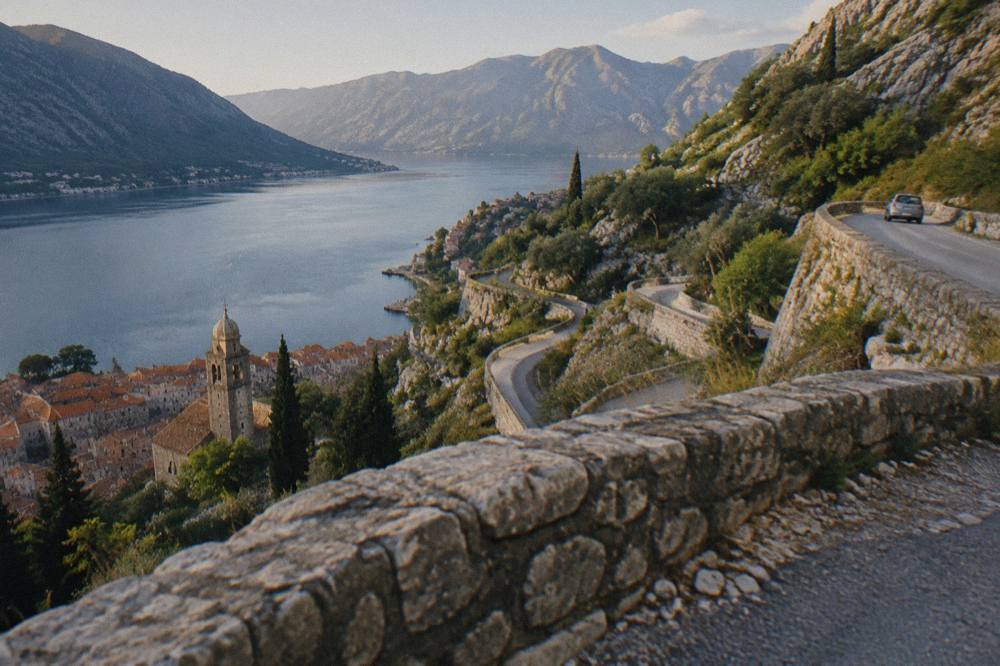
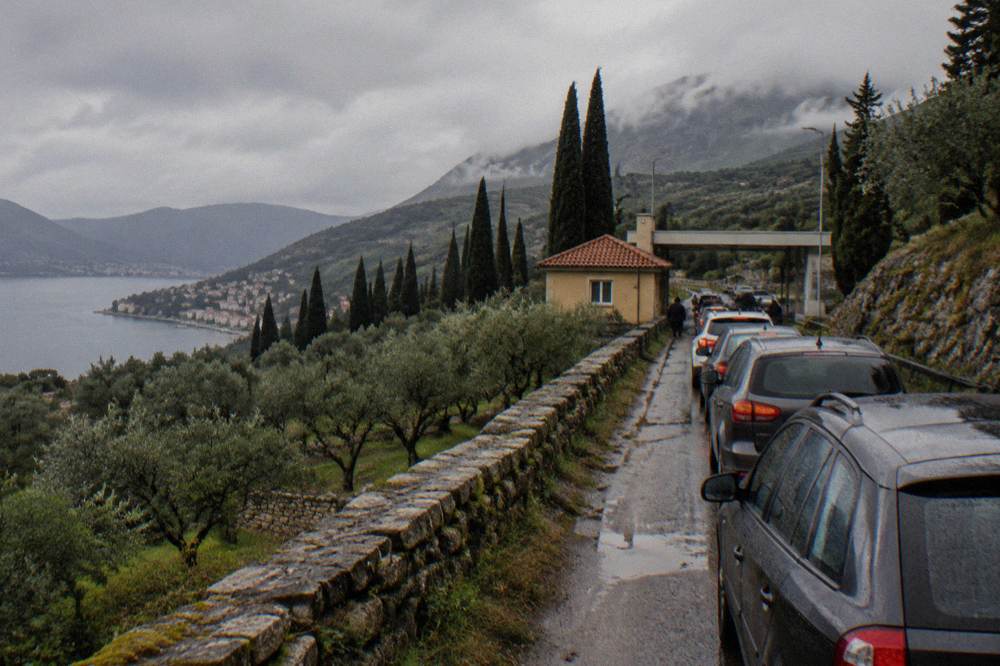
What advisories tend to flag for Montenegro specifically is driving. Mountain roads are narrow, frequently without barriers on the drop side, and used by everything from coaches to agricultural machinery. The Kotor to Lovcen serpentine is a well-known example: it runs seasonal one-way traffic windows between late May and mid-October, uphill in the morning and downhill in the afternoon, precisely because two-way traffic on its hairpins was judged the greater risk. That is a rules-based fix to a real problem, which is the honest way to describe most road safety here.
Two further checks are worth doing yourself. First, the European Union's Entry/Exit System became fully operational at all external Schengen borders on 10 April 2026, replacing passport stamps with biometric registration for non-EU visitors; the EU delegation to Montenegro explains the practical effect for Western Balkans travellers on its official EES information page. Second, if your trip involves Croatia, check your own government's Croatia page too, since the two countries carry separate advisories.
| Advisory source | What it covers for Montenegro | What to check before travel |
|---|---|---|
| US State Department travel advisory | Overall risk level, crime overview, road conditions | Current level and any updates after major weather events |
| UK FCDO country advice | Entry requirements, local laws, road and health notes | "Safety and security" and "Entry requirements" sections |
| EU EES information (EEAS) | Biometric border registration for non-EU travellers | Whether your nationality registers at the Croatian border |
| Your national foreign ministry | Home-country specifics and consular contacts | Registration schemes for travellers where offered |
Is Montenegro Safe For American And Other Foreign Visitors?
Yes, in the everyday sense that advisories intend: Montenegro is a stable, parliamentary country whose economy leans heavily on tourism, and foreign visitors, including Americans, are an ordinary and welcome presence. English is widely spoken in coastal tourist businesses. The issues that actually affect visitors are logistics, border paperwork and road conditions, not hostility toward foreigners.
Questions about friendliness to Americans surface often in trip planning, and the honest answer is that nationality is simply not a friction point. Montenegro is outside the European Union, uses the euro, and receives visitors from across Europe, the United States and further afield every season. Tour operators, restaurants and hotels on the coast operate in English as a matter of course. The language question is covered separately, but the short version is that a visitor without a word of Montenegrin manages comfortably in Kotor, Budva and the bay.
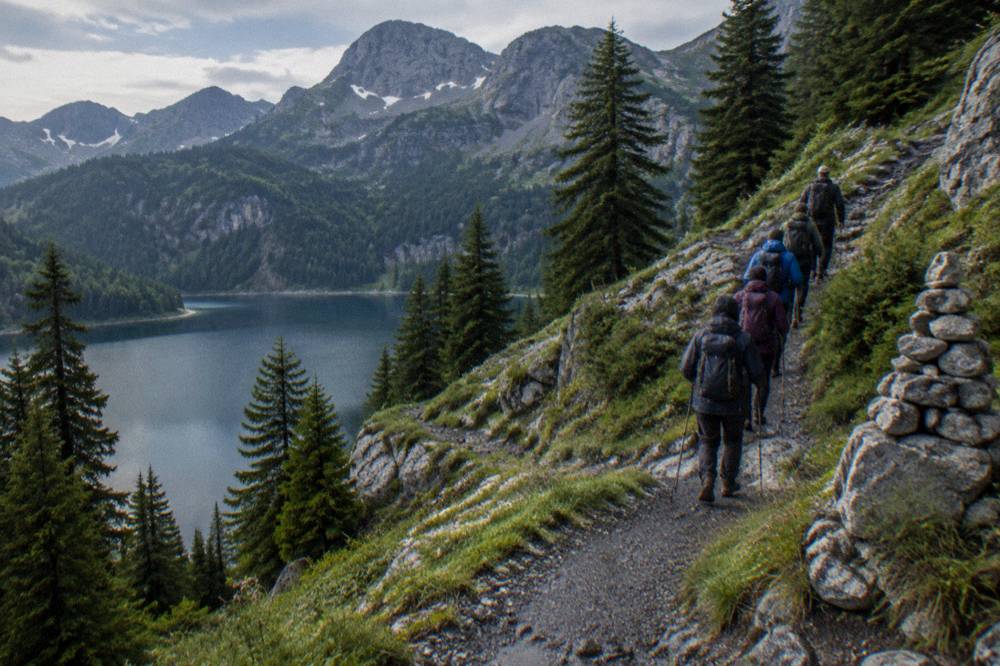
The scenarios where a foreign visitor does hit difficulty are prosaic. Rental car paperwork at the Croatia border requires a Green Card insurance certificate and explicit cross-border permission in the contract, both arranged with the rental company in advance. Medical care in small towns is limited compared with Podgorica and the coast's larger centres, so standard travel insurance matters as much here as anywhere in the region. And solo hikers on Durmitor's trails get into trouble each year in exactly the way solo hikers do everywhere: fast weather changes at altitude, underestimated distances, no signal in canyon country.
None of this is Montenegro-specific risk. It is ordinary travel risk in a mountain-and-sea destination, and the pages of Montenegro Tours that cover what to wear and bring deal with the practical end of it.
Are The Boat Tours On The Bay Of Kotor Safe?
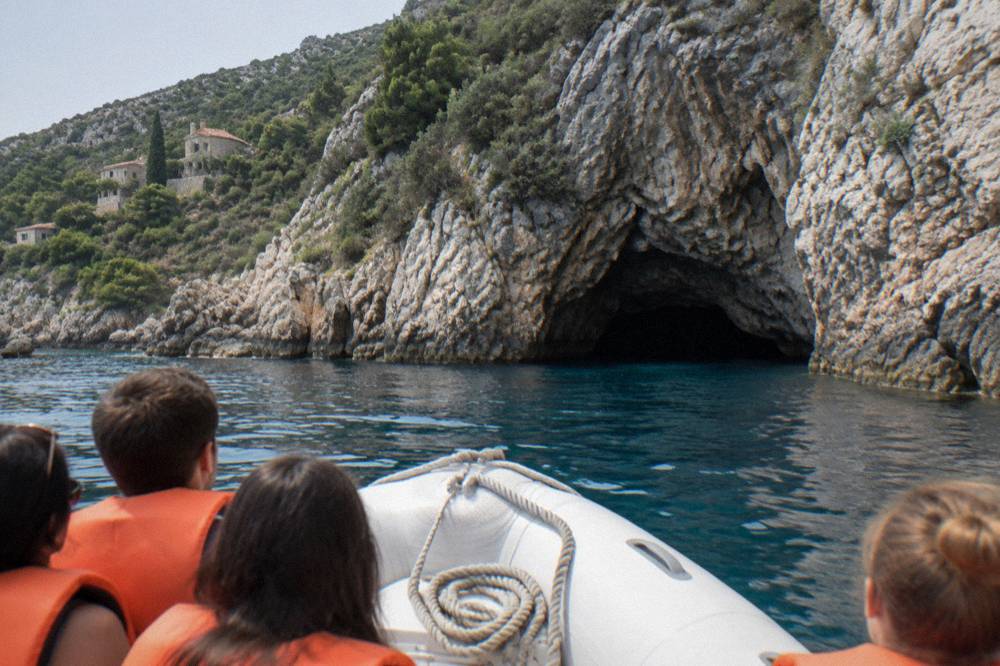
Yes, as licensed commercial operations go. Bay boat tours run under Montenegro's nautical tourism rules, which since June 2026 require operators to be registered in the Central Tourism Register with vessel registration, insurance and passenger cover verified by inspection. Since late May 2026 motorboats may no longer enter the Blue Cave at all; guests swim in from an anchored boat with life jackets and kickboards provided.
That last point deserves plain explanation, because it changes what a Blue Cave tour actually is. A regulation on navigation safety published in Montenegro's Official Gazette in late May 2026 bans motorized vessels from entering the cave and requires them to stay at least 20 metres from the entrance. Operators now anchor outside and guests swim in. If you are not a confident swimmer, this matters when choosing your trip, and the listing text states the arrangement for each tour. The same rule set brought a 6-knot speed limit within 300 metres of the coast and through the Verige and Kumbor straits, with faster corridor running only in organised convoy.
On the water itself, the recurring safety factor is wind. The bura, a gusty northeast wind, and the scirocco, a steadier southeasterly that brings swell, are patterns the whole Adriatic lives with, stronger outside the summer months and capable of stopping boat trips for a day or two at a stretch. Boat operators cancel for wind and swell routinely, and a cancellation is a safety decision, not a service failure. Check the listing's cancellation terms before booking so a weather cancellation costs you nothing but a reshuffle.
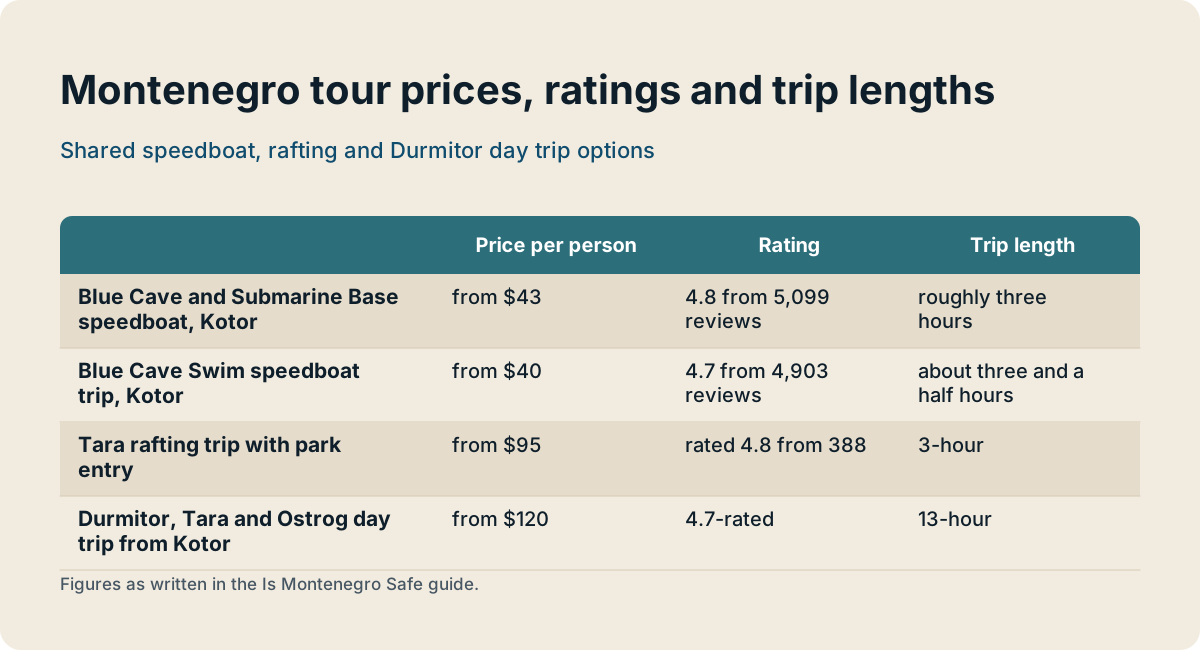
The most-booked shared speedboat trip from Kotor, the Blue Cave and Submarine Base tour run by Aquaholic Speedboat Tours, carries a 4.8 rating from 5,099 reviews at from $43 per person, roughly three hours from Kotor. Its near-twin from Montenegro Submarine and Speed Boat Tours, the Blue Cave Swim trip at from $40 per person, rates 4.7 from 4,903 reviews over about three and a half hours. For families or small groups wanting the boat to themselves, the private option for up to nine guests runs from $389 per group, 4.9 from 221 reviews. Large review pools of that size are themselves a safety signal: they describe thousands of completed runs, not a handful.
Two honest caveats belong here. One: pickup is not part of every listing, so do not assume hotel collection; each tour departs from its stated meeting point in Kotor. Two: the cave's famous blue glow depends on sunlight and sea state, and no operator guarantees it, so treat the swim as the experience rather than a promised photograph.
How Safe Is Swimming In The Bay, The Blue Cave And The Rivers?
Swimming in the Bay of Kotor and the Adriatic is a normal summer activity, comfortable roughly June through September, with no hazardous marine life of note. The Blue Cave is now a swim-in stop from an anchored boat. The Tara River is different: it is a cold mountain river rafted commercially only in the May-to-October window, always with guides, helmets, life jackets and wetsuits.
The distinction between sea and river matters more than most visitors expect. The bay's sheltered water is warm and calm in high summer; the Tara, fed by Durmitor snowmelt, runs around 10 to 14 degrees in May when the rapids are strongest, which is exactly why wetsuits are required gear at high water and why the commercial season is bounded by navigable levels. The national tourism organisation's own rafting page describes the season as April to October, wildest during the snowmelt, with the Tara running 144 km through a canyon 78 km long and up to 1,333 m deep.
The Tara rafting season and difficulty guide breaks down what each month feels like on the water. July and August bring lower, slower, warmer water and the most beginner-friendly conditions; May and June deliver the Class III excitement; September and October trade crowds for rising autumn levels. A listing such as Rafting Tara North Challenge's 3-hour trip with park entry, from $95 per person and rated 4.8 from 388 reviews, includes the guiding and equipment structure that makes the river accessible to first-timers.
On the coast, one rule covers most situations: swim where locals swim, and respect flag systems on organised beaches. Wind that feels mild on shore can build chop and currents around headlands within hours, and the same bura that cancels boat tours also rapidly cools and roughens exposed stretches. For the freshwater alternative, the question of swimming in Lake Skadar has its own answer page, including the park's rule to stay at least 300 m from pelican colonies.
Are Montenegro's Roads And Driving Conditions Safe?
Roads are the most legitimate safety concern in Montenegro, and advisories say so. The coastal motorway between Budva and the bay is modern, but inland routes are narrow mountain roads with hairpins, unlit tunnels and variable surfaces. Drive in daylight on mountain routes where possible, do not rely on guardrails, and check conditions in winter, when high passes including the Durmitor area see real snow.
The two-lane geography is not optional: to reach Žabljak, Lovcen's mausoleum or Ostrog Monastery you take mountain roads, full stop. What makes them manageable is pacing. The drive from the coast to Žabljak at 1,456 m takes most of a day return with stops, and the Durmitor Ring loop runs 80-plus km on its own. Local practice on the serpentine is to use the timed one-way windows rather than fight oncoming traffic on blind bends. Winter adds a second layer: Žabljak's average January maximum is 2.2°C with a minimum around -7.4°C, so snow and ice are routine, not exceptional, from December through March.
| Route type | Condition | Practical safety move |
|---|---|---|
| Coastal Budva to Kotor stretch | Modern dual carriageway sections | Normal European driving; watch summer traffic volume |
| Kotor to Lovcen serpentine | Steep hairpins, seasonal one-way windows | Use timed windows late May to mid-October |
| Coast to Žabljak / Durmitor | Long mountain climb, variable surface | Daylight driving, fuel and time buffer |
| Perast and bay shoreline roads | Narrow, busy in season, pedestrians | Low speed, expect coaches at blind corners |
| Border routes to Croatia | Two-lane, queue-prone in peak season | Cross early morning; carry Green Card paperwork |
For visitors who would rather not drive these roads at all, guided day tours are the common alternative, and the Durmitor and Tara day trip guide covers what a 13-hour escorted option looks like, including the 4.7-rated Gray Line Durmitor, Tara and Ostrog trip from Kotor at from $120 per person. The trade is simple: a professional driver who knows the passes versus your own schedule. The deeper comparison, including insurance and cross-border paperwork for rental cars, is in renting a car in Montenegro.
Is The Border With Croatia Safe Or Difficult?
The Croatia-Montenegro border is a safe but slow crossing at peak times. Since 10 April 2026 the EU's Entry/Exit System registers non-EU travellers biometrically on the Croatian side, fingerprints and facial image on first entry, which adds processing time per person. Waits stretch longest on summer weekends; no reliable published hourly figure exists, so build a buffer instead of trusting one.
The mechanics are the thing to get right, and they are paperwork rather than danger. Non-EU passport holders register into EES at the Croatian external border; the EU's delegation page linked above explains what happens at first entry. Rental cars need a Green Card certificate and written cross-border permission from the rental company, arranged before you collect the car. The crossing at Debeli Brijeg and Karasovići operates around the clock, and the full border guide covers crossing times, documents and the trade-off against taking a guided day trip instead.
For day-trippers from Dubrovnik, the organised alternative removes the border variable from your own hands: the standard day trip from Dubrovnik, from $56 per person and rated 4.4 from 5,782 reviews, crosses the same border but in a coach with a driver who manages the process daily. The day trip worth-it question weighs that against independent travel in detail. Neither option changes the border itself; both change how much of your day it consumes.
What About Wildlife, Weather And Natural Hazards?
The natural hazards that matter are heat and drought in summer, wind on the water, and snow at altitude in winter. Wildfire risk across the Montenegrin summer is real, with a drought stretching past 50 days in the 2026 season before rain cleared active fires, and authorities restrict activity accordingly. No dangerous wildlife affects visitors; the only protected-species rule likely to touch a traveller is the pelican buffer on Lake Skadar.
Summer heat on the coast is the hazard visitors most often underestimate. Podgorica's average July and August daily maxima run to 33.9°C and 34.5°C, and the coast is a few degrees kinder but still serious in a heatwave. Water, shade hours and not hiking midday are the standard responses. In the other direction, the wildfire seasons of recent years, including 2025's 300 fires burning 29,438 hectares nationally, mean smoke haze can sit over whole valleys for days; heed local advisories and do not light anything.
Wind and water interact as covered above: bura gusts, scirocco swell, and cancelled boat trips. On land, the same bura makes the Ladder of Kotor walk and exposed coastal paths genuinely unpleasant, and winter visitors should treat high mountain areas as winter destinations with proper equipment. Zabljak's climate normals, with January nights near -7.4°C, put numbers on why.
| Hazard | When it applies | Sensible response |
|---|---|---|
| Heat, coast and Podgorica basin | July and August peak | Midday shade, water, morning activity |
| Wildfire and drought | Extended summer dry spells | Follow advisories, no open flames |
| Bura and scirocco winds | Year-round, strongest off-season | Accept boat cancellations, secure loose items |
| Snow and ice at altitude | December to March around Žabljak | Winter tyres, chains, check pass status |
| Cold Tara water | May and June snowmelt | Wetsuits and guide-provided equipment |
Which Tours Are Run With Safety Built In?
Look for tours that state their safety arrangements in the listing text rather than implying them. On the bay, that means life jackets, the swim-in Blue Cave procedure and licensed operators under the 2026 nautical register rules. On the Tara, it means guides, helmets, life jackets and wetsuit provision. On land, licensed local guides and stated difficulty levels do the equivalent work. Reviews in the hundreds or thousands are the market's verdict on thousands of incident-free runs.
The roster on this site makes those checks easy, because each listing states what is provided. A calm-water alternative for swimmers who want a gentler day is the Kingfisher wooden boat tour of Lake Skadar from Virpazar, from $25 per person, 4.8 from 1,887 reviews over two hours on flat lake water rather than open sea. Kayakers wanting a structured, guided paddling experience can look at the Blue Cave kayak and snorkel trip from Kotor, from $136 per person over about five hours with equipment included and pickup stated on the listing.
On land, guided walking tours concentrate the benefit in the Old Towns, where licensed local guides run the standard 1 to 1.5 hour walks from around $25 to $29 per person. The same logic applies at altitude: the Lovcen full-day tour from Gray Line, 4.9 from 1,204 reviews at from $109 per person, puts a professional driver on the serpentine instead of you. Choosing between escorted and independent formats is its own decision, covered in the private or group tour comparison.
Is Montenegro Safe For Solo Travellers And Families?
Yes, with the ordinary caveats that apply anywhere. Solo travellers report the usual pattern: safe days and evenings in the towns, and the need to plan mountain and coastal walking with the same care as in any quiet rural region. Families find the coast well set up, with calm bay water, short boat trips, easy walks and facilities in season; the bay's most-booked boat tours carry life jackets in child sizes and take non-swimmers as passengers.
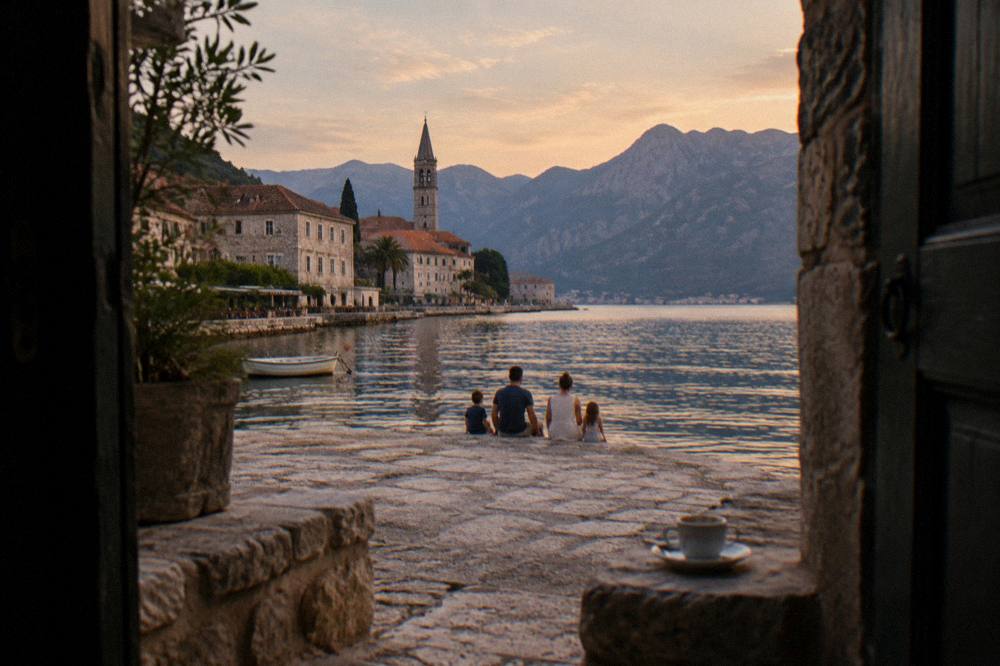
The practical solo-advice list is short. Keep a charged phone, note that canyon and mountain areas can lack signal, and tell someone your route for any long hike. Evening streets in Kotor, Budva and Perast stay busy and lit through the season. Families manage well on the water by matching the trip to the children: a two-hour Perast speedboat run, from $33 per person and 4.7 from 1,129 reviews, is a shorter commitment than a full Blue Cave morning, and the private boat option lets a family of up to nine set their own pace at from $389 per group.
So, Is Montenegro Safe? The Honest Summary
Montenegro is as safe as the average European destination its size, and the official advisory systems agree. The risks worth planning for are specific and ordinary: mountain roads, heat in July and August, wind-driven boat cancellations, snow at altitude in winter, and border processing time on the Croatia crossing. None of these is a reason not to go; each is a reason to book tours with stated safety arrangements and to read the listing before you commit.
Put it in a decision frame. If your trip is Kotor, the bay, Budva and a boat trip or two, the safety profile is a busy Mediterranean resort town's: normal precautions, sun cream, and a check of the cancellation policy for wind. If your trip includes Durmitor, the Tara or winter travel, you are in genuine mountain country and should behave like it, with guided options doing the heavy lifting. The itineraries page suggests how to combine the two halves sensibly.
| Your trip style | Main things to manage | Easiest safe option |
|---|---|---|
| Bay towns and beaches only | Crowds, sun, boat trip wind policy | Shared boat tours with 4.7-plus ratings |
| Adding Lovcen and Cetinje | Serpentine driving windows, park fees | Guided Great Montenegro day tour |
| Adding Durmitor and Tara | Long mountain drive, cold river water | Escorted 13-hour day trip or staying in Žabljak |
| Coming from Dubrovnik | Border queues, EES biometric registration | Coach day trip with a professional driver |
| Winter visit | Snow, ice, reduced daylight | Coastal base, skip high passes unprepared |
Common Questions About Safety In Montenegro
Is Montenegro safe?
Yes, by the standard of official travel advisories, which treat it as an ordinary European destination. The issues to plan for are mountain roads, summer heat, wind on the water, winter snow at altitude and border processing time with Croatia, not crime or instability.
Is Montenegro safe for American tourists?
Yes. The US State Department's advisory does not assign Montenegro an elevated warning tier, English is widely used in coastal tourism businesses, and nationality is not a friction point. Standard precautions against petty theft in crowded areas apply as anywhere.
Is it safe to swim in the Bay of Kotor?
Yes, in summer the bay's sheltered water is calm and comfortably warm, and there is no hazardous marine life of note. Swim at organised beaches, respect flag systems, and expect conditions to change quickly when the bura or scirocco winds build.
Do boat tours get cancelled for safety reasons?
Yes, routinely. Boat trips on the bay are cancelled for wind and swell, since May 2026 motorboats may not enter the Blue Cave and guests swim in from anchored boats, and every licensed operator works to those rules. Check the listing's cancellation terms before booking.
Are Montenegro's roads dangerous?
They demand care rather than avoidance. Inland routes are narrow mountain roads with hairpins and variable surfaces; the Kotor to Lovcen serpentine runs seasonal one-way traffic windows from late May to mid-October. Drive mountain roads in daylight and check winter conditions before high passes.
Is the Tara River rafting safe for beginners?
Commercially, yes: trips run with guides, helmets, life jackets and wetsuits, and the July and August water is lower, slower and warmer, the most beginner-friendly window. The season runs roughly May to October outside the snowmelt extremes, and equipment is part of the listing.