Blue Cave Montenegro: Sea Conditions And Best Time
The Blue Cave glows only when sun, swell and wind cooperate. Here is how sea conditions, morning light and the bura shape every trip, and how to book the departure that gives you the best odds.
Short answer
Operators run Blue Cave trips from Kotor through the warm months; check the listing for current dates. Since a 2026 regulation, speedboats do not enter the cave, you swim in from an anchored boat, so trips cancel when swell or wind rises. Morning departures catch the strongest blue light inside the chamber.
Blue Cave Montenegro: Sea Conditions And Best Time
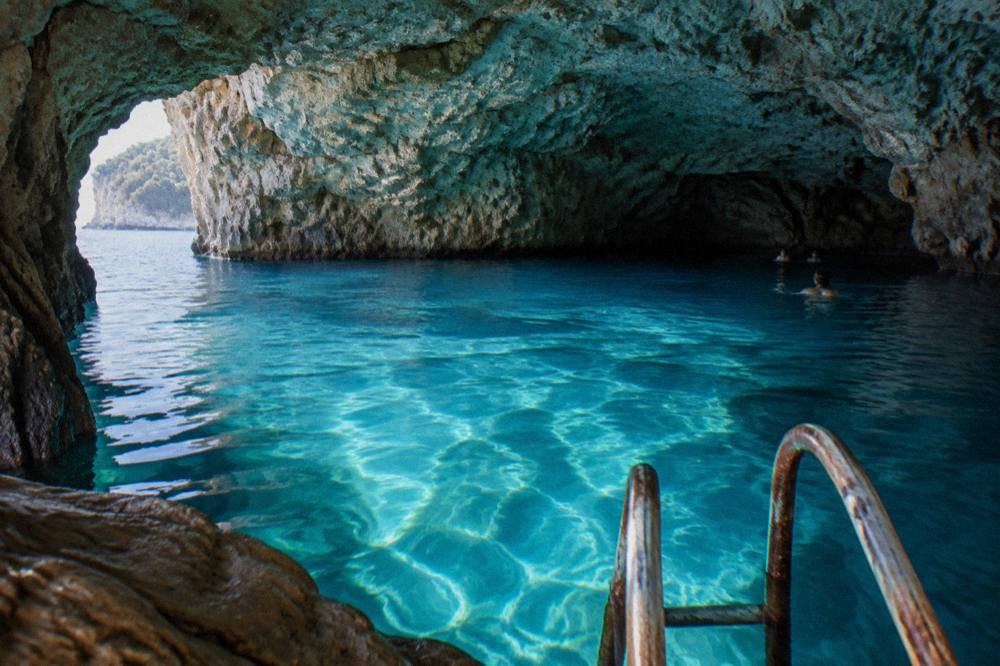
The Blue Cave on the Luštica peninsula is the one Boka Bay sight people book blind, and it is also the one most sensitive to weather. The colour effect exists only when sunlight refracts through the underwater entrance at the right angle, and the whole trip stands or falls on whether the sea outside the cave is calm enough to let you swim in. Get the timing right and the chamber glows electric blue. Get it wrong and you spend three hours on a speedboat looking at a closed, grey grotto.
This guide explains what actually decides a good Blue Cave day: the swim-in rule that changed how every trip works, the wind systems that cancel departures, why morning light matters, and how to compare the listings from Kotor so you book the trip with the best odds rather than the cheapest headline price. Sea conditions decide the day: rough water can close the cave, so book a trip with free cancellation and keep a backup plan in mind. If the guided route leaves you wondering whether you can arrive on your own terms, the guide to reaching the Blue Cave without a tour covers what independent access actually looks like.
What Are The Sea Conditions Like At The Blue Cave?
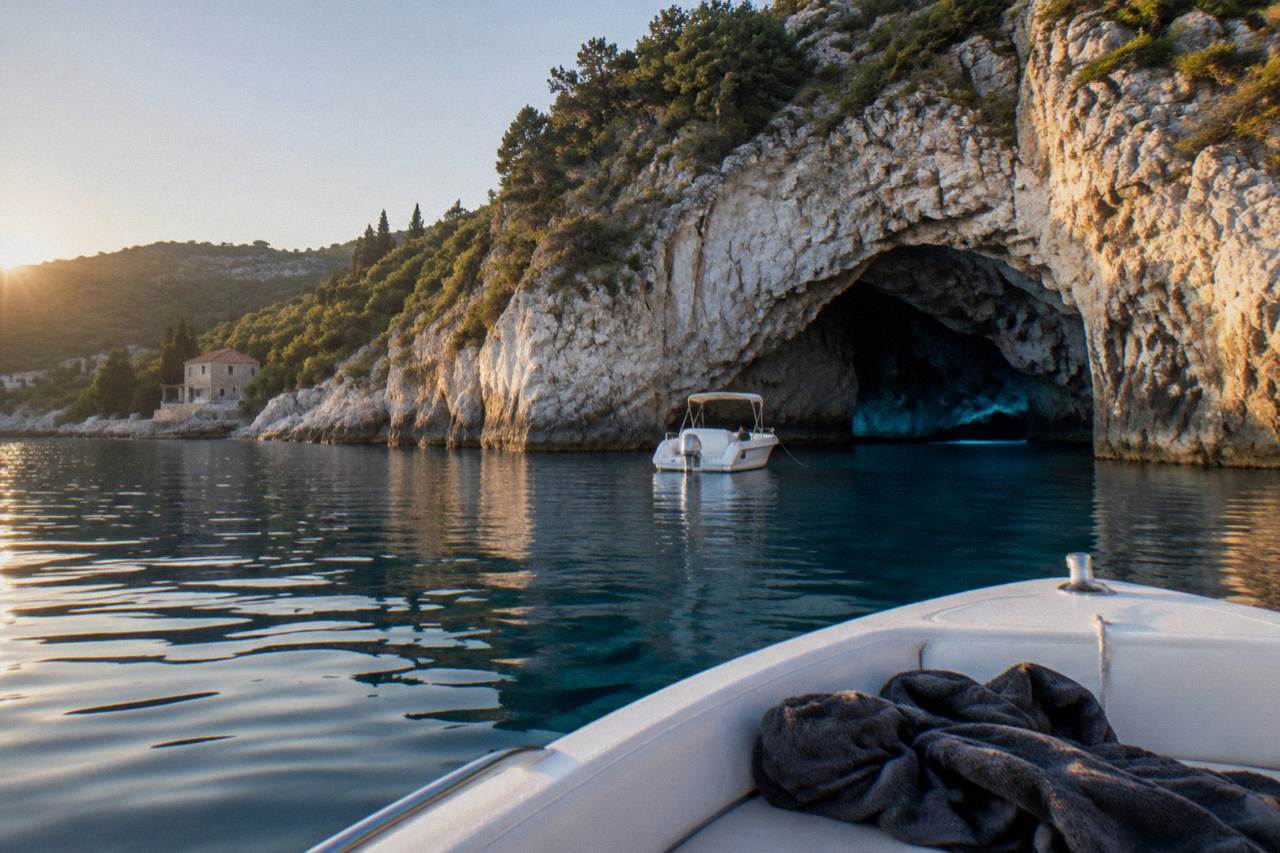
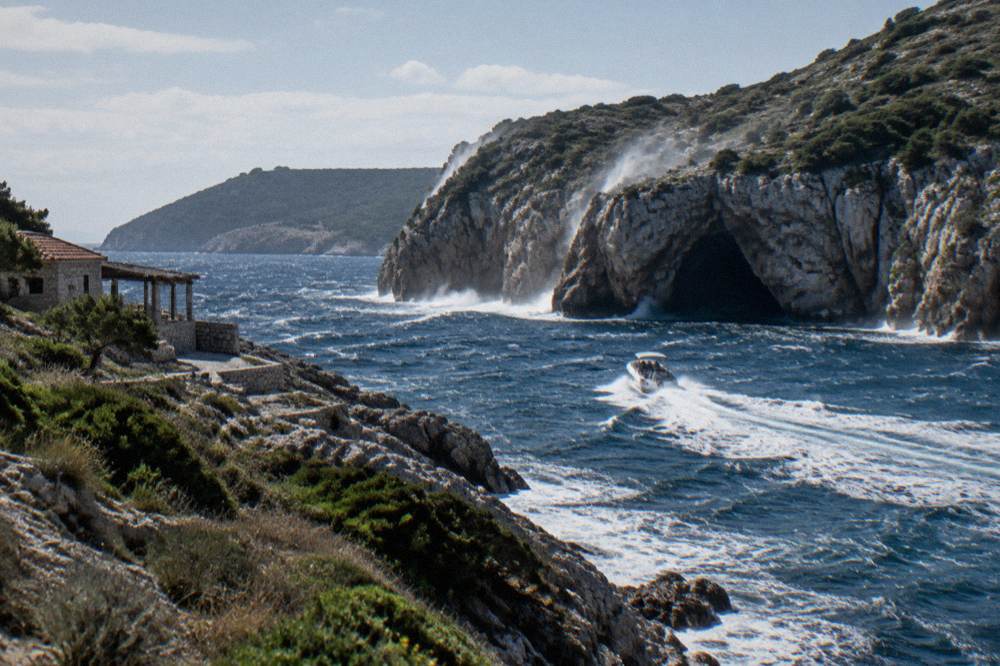
The cave sits on the exposed outer side of the Luštica peninsula, facing the open Adriatic, so the water outside it is governed by swell rather than by the sheltered bay. Inside the bay near Kotor the sea can be mirror flat while the cave entrance is undiveable, and operators make the call trip by trip. Since late May 2026 a national navigation regulation also bans motorboats from the cave interior entirely.
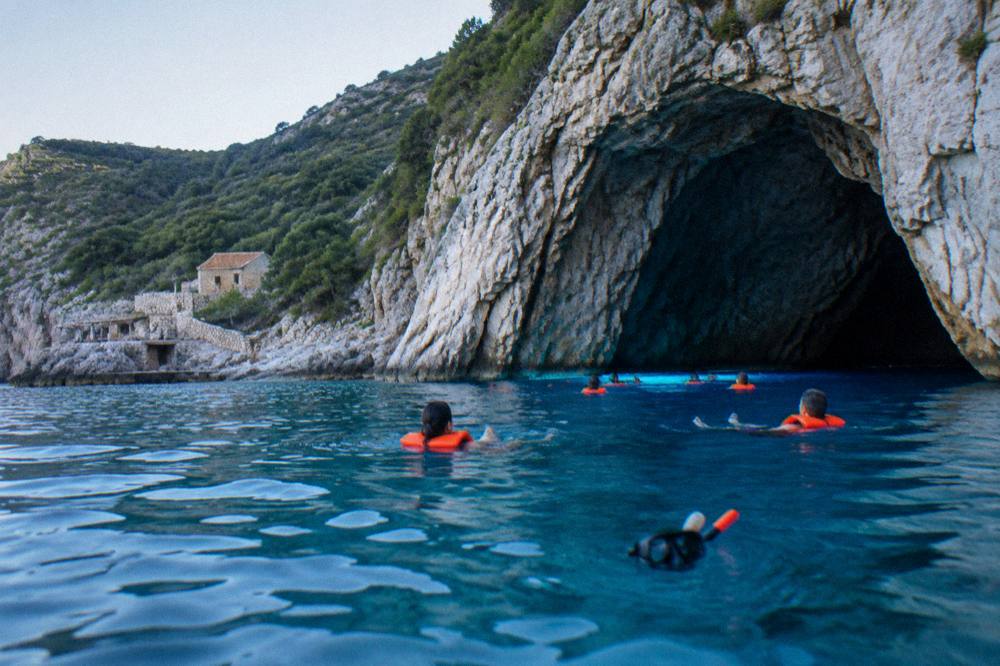
That regulation is the single biggest change to Blue Cave trips in years. Under the new Pravilnik on navigation safety, motorized vessels may not enter Plava špilja and must stay at least 20 meters from the entrance; kayaks and other non-motorized craft are the exception. Operators on the Kotor route now anchor 10 to 20 meters outside and hand guests life jackets and kickboards so they swim in, a shift one Kotor operator describes in its own notice on the 2026 rule. The same package of measures set a 6-knot speed limit within 300 meters of the coast and in the Verige and Kumbor straits, with fast corridors up to 18 knots in organized convoy mode, as local reporting on the regulation set out.
For you as a swimmer this has two practical consequences. First, the cave is now genuinely a swim stop: you enter the water, kick roughly a short distance to the mouth, and float inside. Strong swimmers find it easy; nervous swimmers and small children should ask the operator directly about conditions and support before booking. Second, because everyone swims in, the sea state bar is higher than it was when boats nosed inside. If there is swell running on the outer coast, the swim is unpleasant or unsafe and the stop is cut. If those swimming requirements give you pause, our honest verdict on whether the Blue Cave is worth visiting weighs who the trip rewards and who it will likely disappoint.
The listing text is explicit about this on the big Kotor trips. The three-hour Blue Cave, submarine base and Our Lady of the Rocks tour (4.8 from 5,099 reviews, from $43 per person) and its swim-focused rival (4.7 from 4,903 reviews, from $40 per person) both describe swimming from the anchored boat, not riding inside. Never treat the swim as guaranteed: wind and swell decide on the day, and no listing sells a promise.
Why Does Morning Light Matter For The Blue Cave?
The blue glow is a light effect, and it peaks when the sun is high enough to push beams through the submerged entrance but before afternoon haze softens them. Late morning is generally the strongest window, which is why operators schedule departures in the morning block and why those slots sell out ahead of afternoon ones. If the interior light is what you came for, booking an early departure is the cheapest upgrade available.
The physics is simple even if the result looks unreal. Sunlight enters through the wide underwater mouth and reflects off the white seabed, bouncing blue wavelengths back through the water column. When the sun angle is wrong, early in the morning or late in the day, the chamber reads grey and flat and photographs disappoint. When the angle is right, the whole interior turns the saturated blue you have seen in photos, and that difference is entirely a matter of departure time plus luck with cloud cover.
Typical departure blocks on the Kotor route run through the morning and early afternoon; one operator's published schedule lists 09:00, 12:00 and 15:00 as standard slots, with the season running through the warm months. Do not treat those times as fixed for every listing: schedules shift with demand and with sea state, and the source to trust is the listing you are about to book.
A word on expectations. The cave is a single chamber, the swim stop is short, roughly 30 minutes on a standard trip, and on busy days several boats share the anchorage outside. What you are buying is a brief, intense natural effect plus a fast, scenic ride past Mamula island, the submarine tunnels and the Perast islets. Reviewers who understand that shape of day rate these trips highly; reviewers expecting a long cave exploration are the ones who leave disappointed.
The three listings above cover the format most visitors want from Kotor: a roughly three-hour speedboat loop with the cave swim, a fortress pass-by and a Perast stop. The headline trip pairs the cave with the submarine base and Our Lady of the Rocks at from $43 per person; the swim-focused version covers similar water at from $40; and the Hawai Boat Tours option, 4.7 from 2,533 reviews and from $38 per person, runs a longer window of up to seven hours for people who want the full tour with war tunnels and swim time rather than a quick loop.
Which Winds Cancel Blue Cave Trips?
Two wind systems shut down trips on the Montenegro coast: the bura, a gusty northeast wind that pushes cold air down the mountains and kicks up a short, sharp chop, and the scirocco, a steadier southeast wind that brings swell and haze. Bura blows hardest outside summer, often for one to three days after a front; scirocco can persist several days in spring and autumn. Either can cancel your trip regardless of season.
Because the cave faces open water, scirocco swell is the more common cause of a cancelled cave stop even when the inner bay looks calm. Operators monitor the forecast and the actual sea at the entrance, and they cancel or reroute when the swim is unsafe. This is not a rare edge case: it is a normal, recurring feature of Boka Bay trips, and reputable operators reschedule or refund rather than push a bad swim. Check the cancellation terms on the listing before you book rather than after.
The two systems behave differently, and knowing which one is blowing tells you a lot about your odds:
| Wind | Direction and character | Typical timing | Effect on a Blue Cave trip |
|---|---|---|---|
| Bura | Northeast, gusty, cold katabatic off the mountains | Stronger outside summer, often 1 to 3 days after a front | Sharp chop, colder water, dockside cancellations |
| Scirocco (Jugo) | Southeast, steady, moist, with swell | More common spring and autumn, can persist 1 to 3 days | Swell at the cave entrance even when the inner bay is calm |
| Post-front calm | Neither, the day after a bura clears | Any season | Often glassy, clear water, the best days on the coast |
What a cancellation looks like in practice varies by operator. Some trips reroute to sheltered highlights, Our Lady of the Rocks, Perast, the submarine tunnels, and skip the cave with a partial refund or a rebooking; others cancel outright at the dock. Guest reviews on the big Kotor listings frequently mention exactly this: a cave stop skipped for swell, handled with a refund or a free rebook. Read a handful of recent reviews before choosing and you will see how each operator behaves when the sea says no.
Practical rules that follow from the wind picture:
- Book your Blue Cave trip early in your stay, not on your last day, so a cancelled departure can be rebooked.
- Prefer listings with free cancellation so a forecast of sustained wind does not strand your money.
- If a bura or scirocco episode is forecast, ask the operator the evening before whether the morning slot is expected to run.
- Morning departures often survive afternoons that get cancelled, because wind frequently builds through the day.
The listing for the featured three-hour trip from this site's roster carries free cancellation, which is exactly what you want in a weather-dependent product. Sea state and light decide whether a Blue Cave booking pays off, and the cheapest insurance is a rebookable ticket.
When Do Operators Run Blue Cave Trips?
Operators run Blue Cave trips from Kotor through the warm months, roughly April to October on operator schedules, with the peak season compressed into June through September. There is no official published season for the cave itself, so treat any month range as an operator pattern rather than a rule, and confirm the dates you care about on the listing before you plan around them.
The reason the season has edges is the water, not the cave. You swim in from an anchored boat, so the trip only makes commercial sense when the Adriatic has warmed and the frequency of bura and scirocco episodes drops. Outside the warm window, swell and cold make the swim stop unreliable and many boats switch to bay-only itineraries that skip the cave entirely. Operators' own materials describe the season running April to October with typical departures through the middle of the day.
Within the season, the month you pick changes the character of the day. May and June bring the clearer water and lighter crowds before the July and August peak, though spring scirocco episodes are more common. July and August deliver the warmest sea and the most departures, but also the fullest boats and the flattest, most reliable calm. September calms down on both counts. None of that is a promise: the sea does not read the calendar, and a bura can scrub an August morning as easily as a May one.
For planning around your wider trip, the season hubs on this site break down what the rest of Montenegro is doing month by month, and the sister guide to Montenegro weather by month covers the coast in detail. If you are building the whole day out from the bay, the best day trips from Kotor shows how a cave trip stacks against the northern mountains and Skadar Lake options.
How Do You Compare Blue Cave Tour Listings From Kotor?
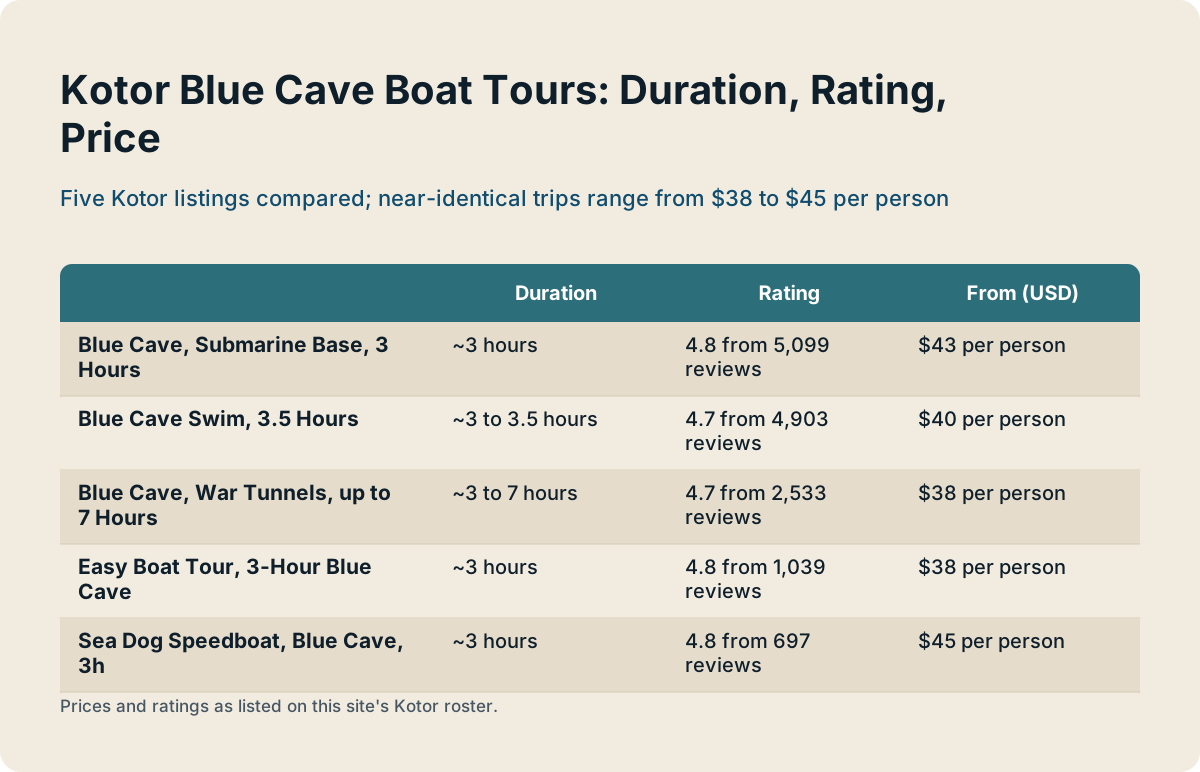
Compare four things: total time on the water, what happens if the cave stop is cancelled, group size and boat type, and price basis. Near-identical three-hour trips range from $38 to $45 per person on this site's roster, so the deciding factors are rarely the headline price and usually the cancellation handling and the schedule fit.
Here is how the main shared-boat Blue Cave listings from Kotor compare on the roster:
| Listing | Duration | Rating | From (USD) | Signature stops |
|---|---|---|---|---|
| Blue Cave, Submarine Base, 3 Hours (Aquaholic) | ~3 hours | 4.8 from 5,099 reviews | $43 per person | Cave swim, submarine base, Our Lady of the Rocks |
| Blue Cave Swim, 3.5 Hours | ~3 to 3.5 hours | 4.7 from 4,903 reviews | $40 per person | Cave swim, war tunnels, Perast islets |
| Blue Cave, War Tunnels, up to 7 Hours (Hawai) | ~3 to 7 hours | 4.7 from 2,533 reviews | $38 per person | Long-format day with swim time |
| Easy Boat Tour, 3-Hour Blue Cave | ~3 hours | 4.8 from 1,039 reviews | $38 per person | Cave visit with a calmer pace |
| Sea Dog Speedboat, Blue Cave, 3h | ~3 hours | 4.8 from 697 reviews | $45 per person | Cave, Mamula, tunnels, islets |
All of these depart from Kotor, and none of the roster lines above includes verified hotel pickup: you meet the boat at the stated Kotor departure point, so check the meeting spot on the listing. Time is the variable people misjudge most. A three-hour loop gives you the cave swim plus photo stops and suits a cruise day or a packed schedule; the longer Hawai format suits travellers who want the same water at half pace with more swimming.
For the mechanics of the alternative formats, the kayak-and-snorkel trip from Škaljari is a different way entirely: under the 2026 rule kayaks are the only craft that may paddle into the cave, and the Blue Cave kayak and snorkel adventure, 4.7 from 96 reviews and from $136 per person, is the roster's non-motorized option. If your whole day is boat-shaped, the two-hour speedboat to Perast is the short-format alternative that runs on days when the outer coast is too rough.
The featured listing, the Aquaholic three-hour trip, is the one this site points most visitors at: the largest review pool on the roster, a mid price, and an itinerary that hits the cave, the fortress island of Mamula, the submarine tunnels and Our Lady of the Rocks in one loop. If you want the fuller picture of the operator landscape first, the guide to choosing a Montenegro tour operator walks through the questions worth asking before you pay.
What Should You Do If Your Blue Cave Trip Is Cancelled?
Accept the operator's rebooking first: most cancellations are wind-specific, and the next morning often runs. If your dates are fixed, swap to a sheltered bay itinerary, a Perast and Our Lady of the Rocks speedboat trip or an Old Town walk, both of which run in weather that kills the cave. Book with free cancellation from the start and the worst case is a refund, not an argument.
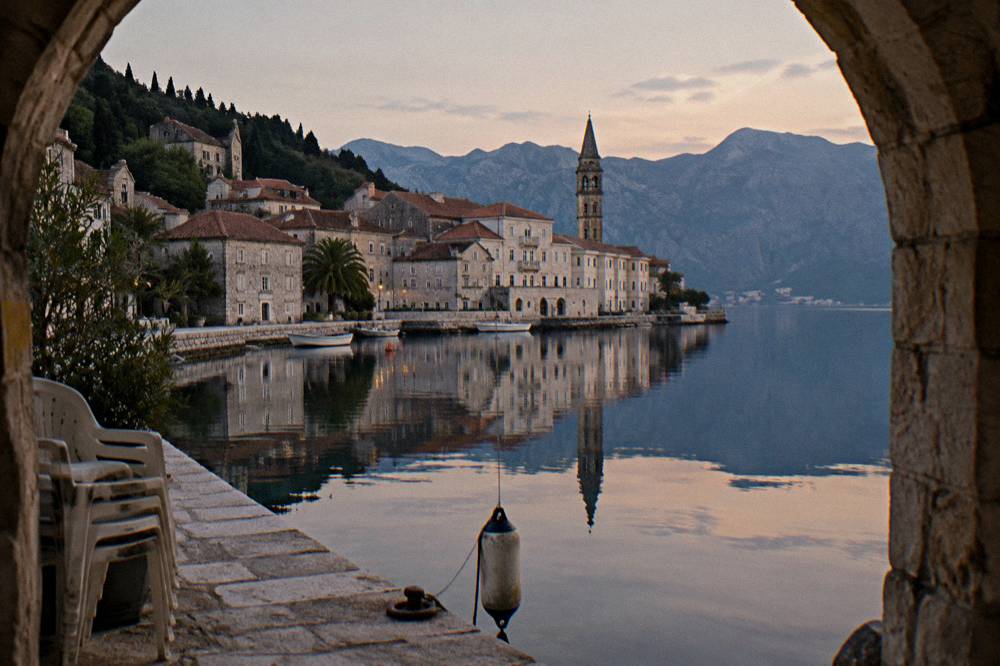
The geography works in your favour here. The outer coast swell that closes the cave often leaves the inner bay perfectly calm, so the two-hour speedboat to Perast, 4.7 from 1,129 reviews and from $33 per person, can run on a day the cave cannot. Our Lady of the Rocks involves its own small entry fee for the church and museum, roughly 2 to 3 euros, paid on the island and separate from any boat fare. The islet, the baroque town of Perast and the ride across the bay make a genuinely good half day out of a weather write-off.
If the wind has killed all boating, Kotor's Old Town absorbs hours without effort. Walking tours run from $25 to $29 per person on the roster, and the City Walls fee is 15 euros for non-residents, a rule in force since March 2025. For the full rundown of no-boat options, the site's guide to things to do in Kotor covers the walls, the lanes and the fortress routes, and the free-things guide lists pay-what-you-want walks in Kotor, Budva and Podgorica.
The deeper background on cancellations, winds and what each season does to the bay is in the companion guide to Mamula island and the Luštica coast by boat, which covers the stretch of water you cross on the way out to the cave.
Can You Improve Your Odds Of A Good Blue Cave Day?
Yes, materially. Book a morning slot early in your stay with free cancellation, watch the wind forecast for bura and scirocco in the two days before departure, and pick an operator with a clear rebooking policy. Those four choices raise your chance of a glowing, swimmable cave more than any amount of calendar-gazing, because the two things that ruin the trip, swell and flat light, are the two things you can hedge.
The forecast habit is worth ten minutes. The Institute of Hydrometeorology and Seismology issues wind warnings for the coast, and gust forecasts above roughly 11 m/s are the signal that cave stops start falling. If the forecast shows a front passing the night before your trip, the morning after is often excellent: post-bura days are frequently glassy and clear, with the best visibility of the week. A scirocco episode is the opposite, a multi-day swell that no departure slot can dodge, and that is when you rebook rather than hope.
Booking strategy in one table:
| Decision | Better choice | Why it helps |
|---|---|---|
| Departure time | Morning block | Strongest cave light; winds build later |
| Day in your stay | First or second full day | Leaves room to rebook after a cancellation |
| Ticket type | Free cancellation listed | Weather risk sits with you, not the forecast |
| Format | 3-hour loop or longer day | Long formats give the operator room to wait out a choppy hour |
| Fallback | Perast trip or Old Town walk | Inner bay and town run in weather the cave cannot |
One more odds-raiser that costs nothing: talk to the operator the day before. Kotor's Blue Cave operators run the same route daily and know the pattern of the week; a short message asking whether your slot is expected to run gets you an honest read far earlier than standing at the dock at 08:30. Operators that answer questions before you pay also tend to be the ones that handle rebooking cleanly after.
Common Questions About Blue Cave Sea Conditions And Timing
What is the best time for Blue Cave Montenegro?
Late morning inside the warm-months season, when operators run the trips from Kotor. The blue glow peaks with a high sun angle, so morning departures beat afternoon ones, and there is no official published season for the cave: confirm dates on the listing.
Do the boats go inside the Blue Cave?
No. Under a navigation regulation that took effect in late May 2026, motorized vessels may not enter the cave and must stay at least 20 meters from the entrance. Speedboats anchor outside and guests swim in with life jackets and kickboards.
Why do Blue Cave tours get cancelled?
Swell and wind on the exposed outer coast, mainly from the bura and scirocco wind systems, make the swim-in unsafe. The inner bay can be calm while the cave entrance is not, so operators decide trip by trip and cancel or reroute.
Is the Blue Cave suitable for weak swimmers?
Only with care. Entry is by swimming from an anchored boat, roughly a short kick to the mouth. Ask the operator directly about support, conditions and alternatives before booking if anyone in your group is not a confident swimmer.
What happens if the cave stop is cancelled?
Depending on the operator, the trip reroutes to sheltered highlights like Our Lady of the Rocks, Perast and the submarine tunnels, or cancels with a rebooking or refund. Check the cancellation terms on the listing before you pay.
How much do Blue Cave tours from Kotor cost?
Shared three-hour speedboat trips on this site's roster run from $38 to $45 per person, and longer formats start at $38 for up to seven hours. Prices are per person; confirm current dates and times on the listing.
The sea, not the schedule, is the final editor of every Blue Cave day. Book the morning slot, keep the ticket flexible, arrive early in your stay, and treat the cave as the prize at the end of a fast, beautiful ride rather than a guaranteed exhibit. That is how the visitors who love this trip, and there are thousands of them across five thousand reviews on the headline listing alone, set it up. For everything else on the water around Kotor, Montenegro Tours keeps the full roster of boat trips, kayak routes and day tours in one place.