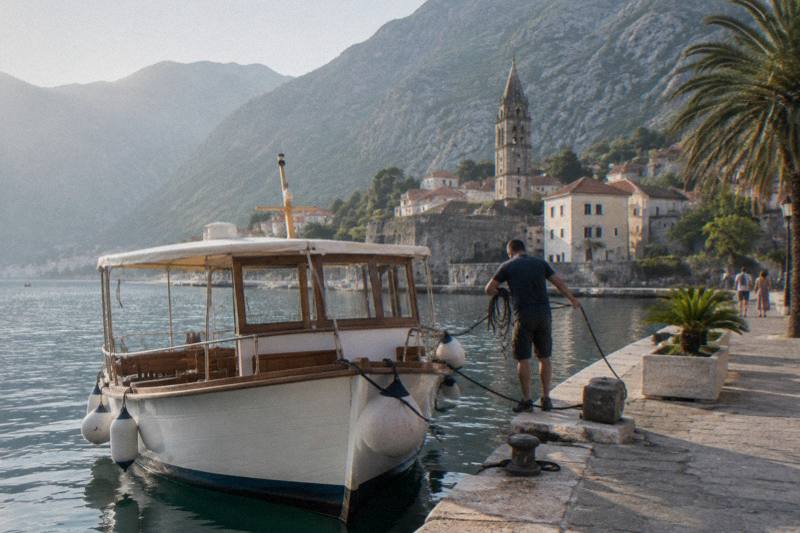
Is Blue Cave, Montenegro Worth Visiting?
An honest verdict on the Blue Cave in Montenegro: who it rewards, who it disappoints, what tours cost, and why the boats no longer enter the cave.
Is Blue Cave, Montenegro Worth Visiting?
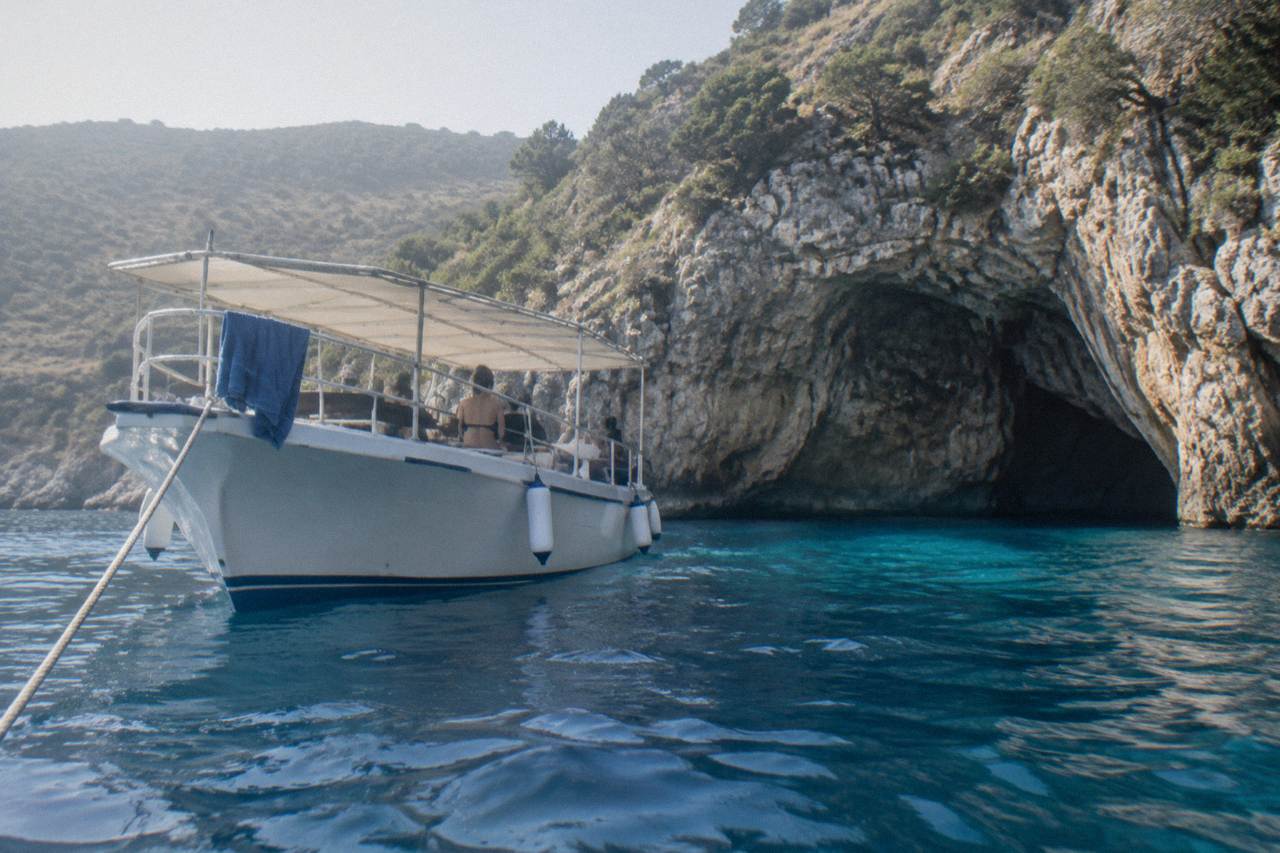
Yes for most visitors, but only if you understand what you are buying. The Blue Cave rewards people who want to swim in glowing blue water and photograph it, and it underwhelms people who expect a boat to carry them inside. Since a 2026 navigation rule, motorized vessels must stay outside the cave, so every guest now swims or paddles in. If that appeals, it is worth it. If not, skip it.
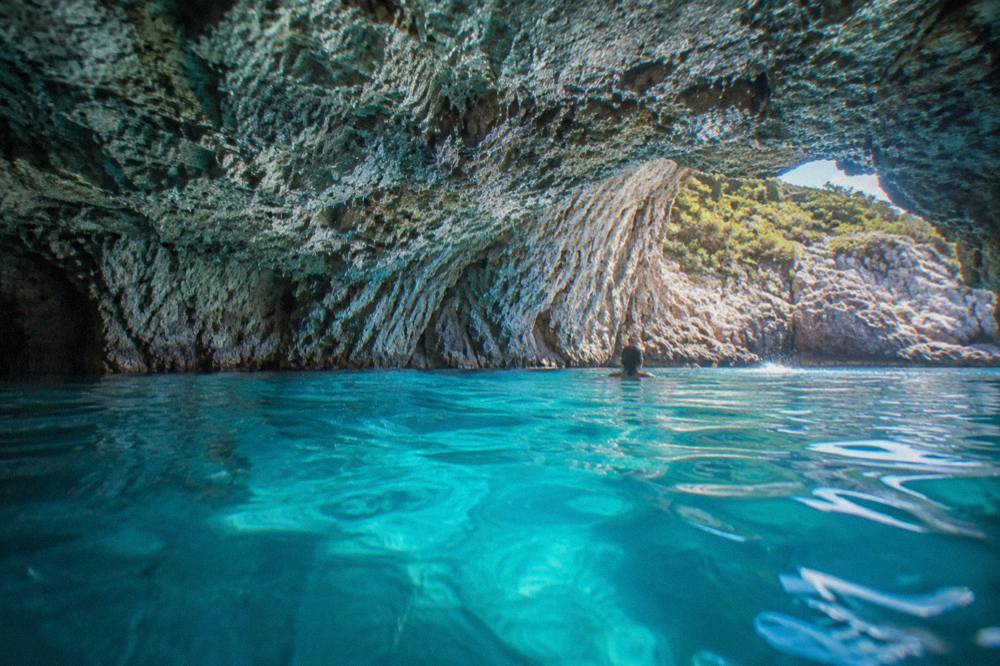
The Blue Cave, known locally as Plava spilja, sits on the Lustica peninsula at the entrance to the Bay of Kotor. It is a sea cave whose water glows an electric blue when sunlight passes through an underwater opening and reflects off the white sandy floor. That effect, not the size of the cave, is the attraction. The chamber itself is modest, and the experience lasts minutes, not hours, which is exactly why opinions split so sharply.
The verdict really does come down to the type of visitor. Swimmers get the full experience: you enter the water, you float in blue light, and the photos look surreal. Photographers get a genuinely rare subject, best in the middle of the day when the sun is high. Cruise passengers on a tight schedule get the most famous stop on the coast bundled with Our Lady of the Rocks and Perast in a single three-hour outing. Visitors who cannot or do not want to swim get a look from the water and a shorter stop, and that group reports the most disappointment.
The most bookable version of the trip is the Blue Cave, Submarine Base and Lady of the Rocks tour from Kotor, about 3 hours from $43 per person, rated 4.8 from 5,099 reviews. It is a useful benchmark for value because it bundles the cave with the bay's other two headline sights rather than selling the cave alone. If you want a fuller comparison before deciding, the trio below covers the three most-booked formats from Kotor.
For a deeper look at how sea conditions shape the whole experience, including why some days are simply better than others, see the companion guide on Blue Cave sea conditions and timing. The short version: calm water and midday sun make the cave, and wind can end the swim entirely.
What Is The Blue Cave And Why Do People Call It Famous?
The Blue Cave is a sea cave on the Lustica peninsula whose water glows blue when sunlight refracts through a submerged opening and bounces off the pale sandy bottom. It is the single most booked boat-tour stop on the Montenegrin coast, appearing on nearly every speedboat itinerary from Kotor, Herceg Novi and Tivat. Its fame rests on that optical effect, which is strongest around midday.
The cave sits at the mouth of the Bay of Kotor, which means almost every bay tour can include it without a huge detour. Operators from Kotor typically combine it with the former submarine tunnels near Rose, the Mamula island fortress, and the islet of Our Lady of the Rocks at Perast. That bundling is part of why it dominates the coast's tour market: the cave alone is a short stop, but as one act in a three-hour bay circuit it carries the day.
Fame has a cost, and it is crowding. In peak summer, many boats converge on the same small cave mouth at the same hour, because the blue glow is strongest when the sun is high. Operators stagger departures to manage this, but midday remains the busiest window. Visitors who go early or late in the season report a far calmer scene, and the water still glows.
It is worth being clear about scale. The cave is not a vast cavern; it is a chamber you swim into, look around in, and swim out of. Reviews that call it magical and reviews that call it overrated are usually describing the same ten minutes, seen from the water versus seen from a boat rail. The difference between those two viewpoints is the single biggest predictor of whether you will consider the trip worth the money.
Do Speedboats Enter The Blue Cave?
No. Speedboats do not enter the Blue Cave, and this has been the operating reality for a while: listing text for these tours states plainly that the boat stays outside and guests reach the cave by swimming. A navigation safety regulation published in 2026 formalized it, banning motorized vessels from the cave interior and requiring them to anchor well outside the entrance. Kayaks may still enter.
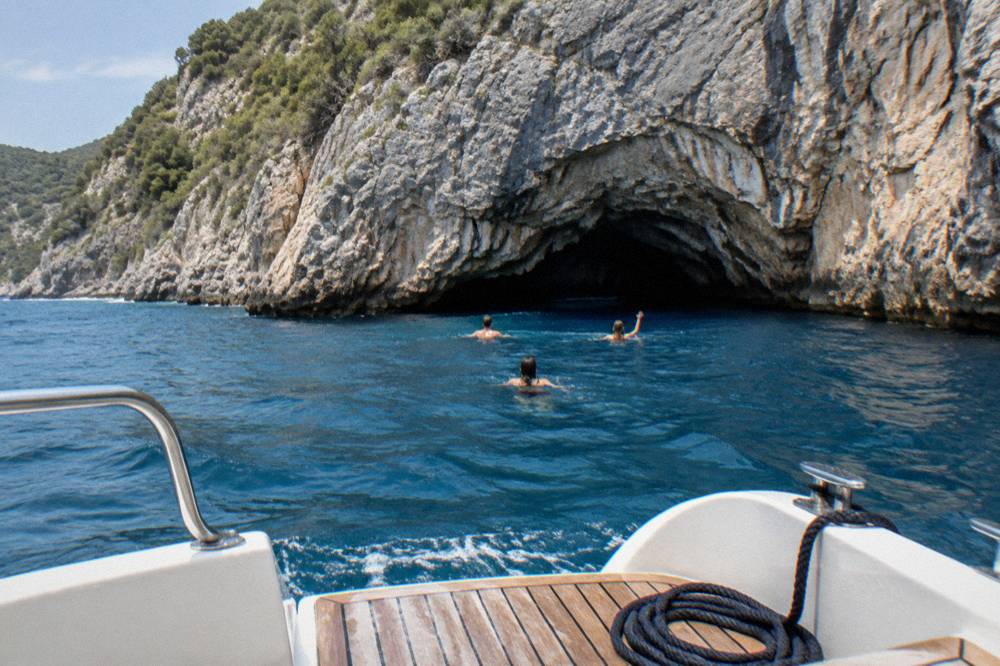
This is the fact most likely to change your verdict, so it deserves its own section. For years, some boats would nose into the chamber so passengers could see the blue glow from their seats. Operators now anchor outside, hand out life jackets and kickboards, and guests swim in. The regulation reported in May 2026 sets the rule for the whole bay: motorized craft must keep their distance from the entrance, while non-motorized craft such as kayaks may paddle inside. One operator's own summary of the new law describes the same arrangement, with boats anchored 10 to 20 meters out and guests swimming in with flotation support.
The practical consequences are simple. You need to be able and willing to swim, or at least to float with a kickboard and a life jacket, in open sea. The swim from the anchor point to the cave mouth is short, but the water is deep and can be choppy. If that sounds like fun, the rule has arguably improved the trip: you experience the glow from inside the water, which is the whole point. If it sounds like a problem, a boat tour to the cave may not be your best spend, and the coastline offers plenty of alternatives, from the walls of Kotor to the lake at Virpazar.
The same 2026 rule package introduced bay-wide speed limits, including a 6-knot limit within 300 meters of the coast and in sensitive zones such as the straits, with faster organized corridors between them. For passengers this mostly means a slightly longer, calmer ride out of Kotor and a more orderly scene at the cave itself.
If swimming into the cave is exactly what you are after, the question of how the swim actually works is covered in detail in can you swim in the Blue Cave, including what non-swimmers can realistically do.
Is The Blue Cave Worth It For Swimmers?
For confident swimmers, yes, and this is the group the cave was made for. You enter the water outside the chamber, swim a short distance to the mouth, and float in water that glows blue around you. Reviews from swimmers consistently rank the cave as the highlight of the bay. The experience is brief but genuinely unusual, and no land viewpoint comes close to it.
The swim itself is undemanding for anyone comfortable in deep water. Boats anchor a short distance from the entrance, crews distribute life jackets and kickboards, and the stop typically runs around half an hour, which is enough for several passes in and out of the chamber. Inside, the light does the work: the water is lit from below, your hands and legs take on the glow, and photographs taken just under the surface look like they were shot through blue glass.
Non-swimmers and nervous swimmers are not excluded, but they should set expectations honestly. With a life jacket and a kickboard you can reach the mouth and look in, and many operators report that this works well for children and cautious adults. What you lose is the sensation of being inside the glow rather than looking at it. Some visitors find that view satisfying; others feel they watched rather than did.
The water is deep at the cave mouth and there is no beach or shallow standing area, so this is not a place to learn to swim. If you are traveling with mixed abilities, pick a tour whose listing explicitly mentions flotation support, and ask the operator in advance about the stop length. The three-hour formats from Kotor, such as the Blue Cave Swim tour from $40 per person, rated 4.7 from 4,903 reviews, are built around exactly this swim stop.
Is The Blue Cave Worth It For Photographers?
Yes, with one condition: you have to be in the water with the camera, and you have to be there when the sun is high. The blue glow is an optical effect that peaks around midday, when sunlight refracts through the underwater opening. Photographers who swim in with a waterproof camera or a phone in a case consistently get striking images; those shooting from the boat get distant, ordinary ones.
The shot that made the cave famous is taken half-submerged, with the camera at the waterline so the frame splits between the glowing interior and the surface. Any recent waterproof phone handles this. A GoPro-style action camera does it better, and a polarizing filter helps cut surface glare. Inside the chamber, the white sandy floor is what reflects the light, so images shot looking down or across the water pick up the strongest color.
Timing matters more than equipment. The effect is weak in the early morning and late afternoon because the sun angle is too low for the underwater opening to catch direct light. That creates a tension with crowding: midday is both the best light and the busiest window, since every operator schedules around the same physics. In shoulder months the compromise disappears, and you can have strong light and a nearly empty cave at the same time.
One honest caveat: the cave is a small subject. If your goal is a portfolio of varied images, the rest of the bay supplies them, from the submarine tunnels to the baroque silhouette of Perast. The cave supplies one unforgettable frame. Photographers who accept that trade rate the stop highly, and those expecting a cathedral of light often do not.
Is The Blue Cave Worth It For Cruise Passengers?
For cruise passengers docking in Kotor, yes, and it is arguably the best use of a short call. The standard three-hour speedboat format covers the cave, the submarine tunnels and Our Lady of the Rocks, and it departs from Kotor itself, minutes from where ships berth. The trade-off is time pressure: a wind-cancelled cave stop can eat into a fixed port day, so book with the ship's schedule in mind.
Kotor's port sits at the edge of the Old Town, and the boat departure points are a short flat walk along the waterfront. That geography is why shore versions of the Blue Cave trip are so popular: no transfers, no driving, and the whole circuit fits comfortably inside a typical call. A dedicated shore speedboat excursion, 3 hours from $51 per person and rated 4.9 from 287 reviews, is built around exactly this constraint.
The risk worth naming is weather. Boat trips on the bay are cancelled or shortened for wind and swell, and the cave stop is the first thing to go when the sea is rough. On a cruise day you cannot simply rebook for tomorrow. Check the operator's cancellation terms before booking, and have a fallback plan for Kotor itself, which is a destination in its own right: the walls, the lanes, and the climb or cable car up the mountain. The companion piece on six hours in Kotor from a ship lays out that backup day.
For passengers who prefer not to organize anything themselves, the ship's own excursion desk sells the same itinerary at a premium, with the reassurance that the ship waits for its own tours. Independent booking is cheaper and equally reliable in practice, but the responsibility for getting back on time shifts to you. Both are legitimate choices; the deciding factor is usually how much buffer your port day allows.
What Does A Blue Cave Tour Cost And What Does It Include?
Group speedboat tours to the Blue Cave from Kotor run from $38 to $57 per person for the standard roughly three-hour formats, with the longer full-day version from $38 and private boats from $342 per group. Every group tour listed includes the cave stop, the submarine tunnels, and usually Our Lady of the Rocks; entry fees on the islet are paid separately on site.
The price band is narrow, so the decision is really about format and operator rather than cost. The table below compares the three most-booked group versions from Kotor, using the figures on their listings.
| Tour | Duration | Price | Rating | Route highlights |
|---|---|---|---|---|
| Blue Cave, Submarine Base, 3 Hours | ~3 hours | from $43 per person | 4.8 from 5,099 reviews | Blue Cave, submarine base, Our Lady of the Rocks |
| Blue Cave Swim, 3.5 Hours | ~3 to 3.5 hours | from $40 per person | 4.7 from 4,903 reviews | Blue Cave swim, submarine tunnels, Perast |
| Blue Cave, War Tunnels, up to 7 Hours | ~3 to 7 hours | from $38 per person | 4.7 from 2,533 reviews | Blue Cave, war tunnels, extended bay stops |
What the price buys is the boat, the skipper, and the itinerary; it does not buy entry to anything, because the cave itself has no admission fee. The one add-on to budget for is Our Lady of the Rocks, where the church and museum charge an entry fee of roughly 3 to 5 euros per person, cash at the desk on the islet and not covered by the boat tour price. That is separate from the boat fare and is the only common out-of-pocket cost on the standard route.
The longer format in the table is worth a note. Its listing spans a wide duration range because the operator runs a shorter and a fuller version under one product; check the listing for which departure you are booking. The longer day adds swim time and bay stops that the three-hour trips skip, which matters if you want the cave plus a proper swim rather than a quick dip.
Private options change the arithmetic for families and groups. A private boat for up to 8 runs from $342 per group, rated 4.8 from 168 reviews, which undercuts two group tickets per person once you fill the seats, and gives you control over the schedule and the time spent at the cave. For a full price breakdown across every format, see how much a Blue Cave tour costs.
When Is The Best Time To Visit The Blue Cave?
The Blue Cave season runs roughly April to October, with May to September the reliable core. Within the day, midday gives the strongest blue glow because the sun must be high for light to pass through the underwater opening. Within the week, early mornings and shoulder months beat peak-season middays for crowds, and June and September often deliver the best balance of light, warmth and space.
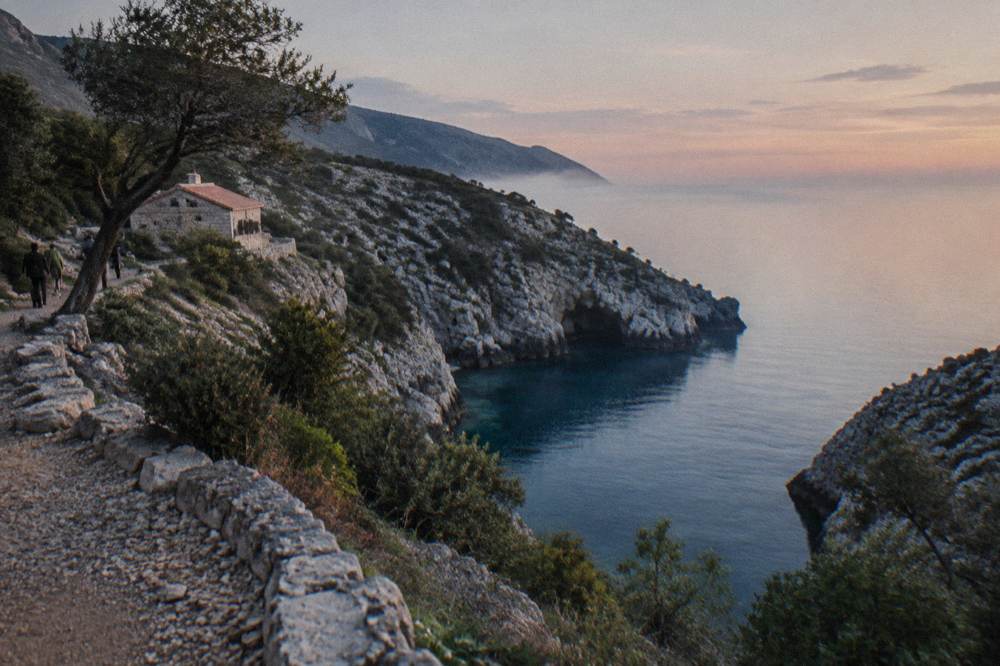
The season logic is simple: the cave is a sea cave, and boats only run the trip when conditions allow, which in practice means the warmer half of the year. Operators describe the season as April through October, and the freshest operator material confirms typical departures clustered through the day with the season running those months. Outside that window, the trip is simply not sold, and the bay's winter boat offer shrinks to short harbor runs.
The time-of-day logic is optical. The glow depends on direct sunlight entering through the submerged opening, which happens when the sun is near its peak. Before late morning and after mid-afternoon the cave is a pleasant but ordinary grotto. This is why every operator's most popular departure is the late-morning one, and why the cave mouth is busiest between noon and two.
The month-by-month trade-offs look like this, using the patterns operators and the bay's weather rhythms describe rather than any single year's conditions.
| Period | Light and water | Crowds at the cave | Verdict |
|---|---|---|---|
| April to May | Water cool, glow strong on clear days | Low to moderate | Good for space, bring a wetsuit mindset |
| June | Warm water, strong glow | Building | Often the best all-round month |
| July to August | Warmest water, strongest glow | Peak, midday congestion | Book early departures or late slots |
| September | Warm water, reliable glow | Dropping after mid-month | Excellent balance |
| October | Cooler water, glow dependent on sun | Low | Fine on a calm clear day, check terms |
One planning note that is easy to miss: the same midday physics that lights the cave also loads it, and Kotor's cruise traffic, which approached 500,000 passengers in the first eight months of 2026, feeds directly into that midday peak. If your dates are flexible, a June or September weekday with a late-morning departure is the sweet spot most experienced visitors converge on.
Can Weather Cancel A Blue Cave Tour?
Yes, and it happens regularly. Boat trips on the Bay of Kotor are cancelled or shortened for wind and swell, and the cave stop is the most exposed part of the route, so it is the first thing cut when the sea is rough. The bay's bura and scirocco wind patterns can blow for one to three days at a stretch, stronger outside summer. Check the operator's cancellation and refund terms before booking.
The bura is a gusty northeasterly that funnels down the mountains, and the scirocco, called jugo locally, is a steadier southeasterly that brings swell and haze. Both are recurring features of the Adriatic, and both matter more in spring and autumn than in high summer. When either is blowing, the water outside the cave becomes unsafe for swimmers, and no operator will run the stop. The boat may still run a modified bay tour, or the trip may be cancelled outright.
This is not a hidden risk; it is the normal operating reality of a sea cave. What matters is that you book with terms you can live with. Most established operators rebook or refund when they cancel, and the listings on this site's roster generally carry free-cancellation terms, but the details belong to each listing. Read them before you pay, especially if your window in Montenegro is short, and have a land-based backup for the day.
The honest framing for the verdict: the cave is a weather-dependent attraction, and that is part of why some visitors leave disappointed. If you have only one day and the wind is up, the trip you actually take may be a bay circuit without its headline stop. If you have three or four days on the coast, the odds of catching a calm, glowing cave swing heavily in your favor, and that flexibility is the cheapest upgrade available.
Common Questions About The Blue Cave In Montenegro
Is Blue Cave, Montenegro Worth Visiting?
For most visitors, yes, provided you understand the format: you swim into the cave from a boat anchored outside, the water glows blue around midday, and the stop is short. Swimmers and photographers rate it among the coast's best experiences. Visitors who cannot or will not enter the water see it from the boat and often find it underwhelming.
Can You Enter The Blue Cave Without Swimming?
Not on a motorized tour boat. Boats must anchor outside the cave, and guests reach the chamber by swimming or floating with a life jacket and kickboard. Kayaks are the exception among non-swimming options, since non-motorized craft may enter. Otherwise the view from the anchored boat is what you get.
How Long Do You Stay At The Blue Cave?
The swim stop typically runs around 30 minutes on the standard group tours, which is enough for several trips in and out of the chamber. The full tour lasts about 3 hours, with the rest spent on the submarine tunnels, Mamula and Our Lady of the Rocks at Perast.
Is The Blue Cave Worth It If You Cannot Swim?
Partially. With flotation you can reach the mouth and look in, and many cautious swimmers and children do exactly that. But the celebrated effect is experienced from inside the water, so non-swimmers should expect a good view rather than the full experience, and price their expectations accordingly.
What Time Of Day Is Best For The Blue Cave?
Midday, when the sun is high enough to send light through the underwater opening and light up the water. Early morning and late afternoon produce a weak or absent glow. The trade-off is that midday is also the busiest window, so late-morning departures are the popular compromise.
Do Blue Cave Tours Get Cancelled?
Yes. Wind and swell on the bay lead operators to cancel or shorten trips, and the cave swim stop is the first casualty. The bura and scirocco winds can persist for a day or more. Check the operator's cancellation and refund terms on the listing before booking, and keep a backup plan for your day.
By now the verdict should be personal rather than general. The Blue Cave rewards swimmers, photographers and anyone who enjoys a half hour of genuinely strange light on the water, and it shortchanges visitors who wanted a boat ride into a cavern. If you are in the first group, the standard three-hour circuit from Kotor, from $38 to $57 per person, is one of the better value days on the Montenegrin coast, and the operators behind the most-booked versions are compared in the trio below.
If you would rather build the day around something else entirely, Montenegro Tours covers the full coast and mountain roster, from the lake at Virpazar to the Tara canyon, and the best day trips from Kotor guide is the natural next stop for planning the rest of your stay.