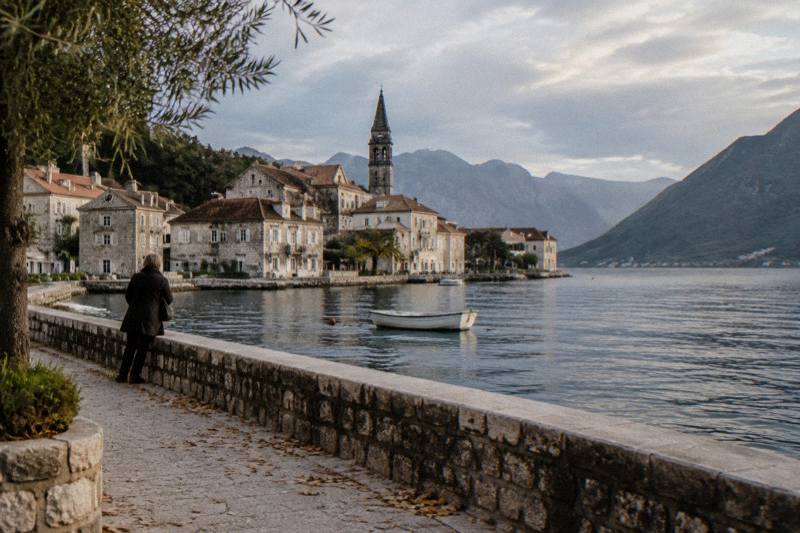
Is It Hard To Cross The Border From Croatia To Montenegro?
Documents, the EU Entry/Exit System, rental car rules and how a booked day trip handles the Croatia to Montenegro border crossing.
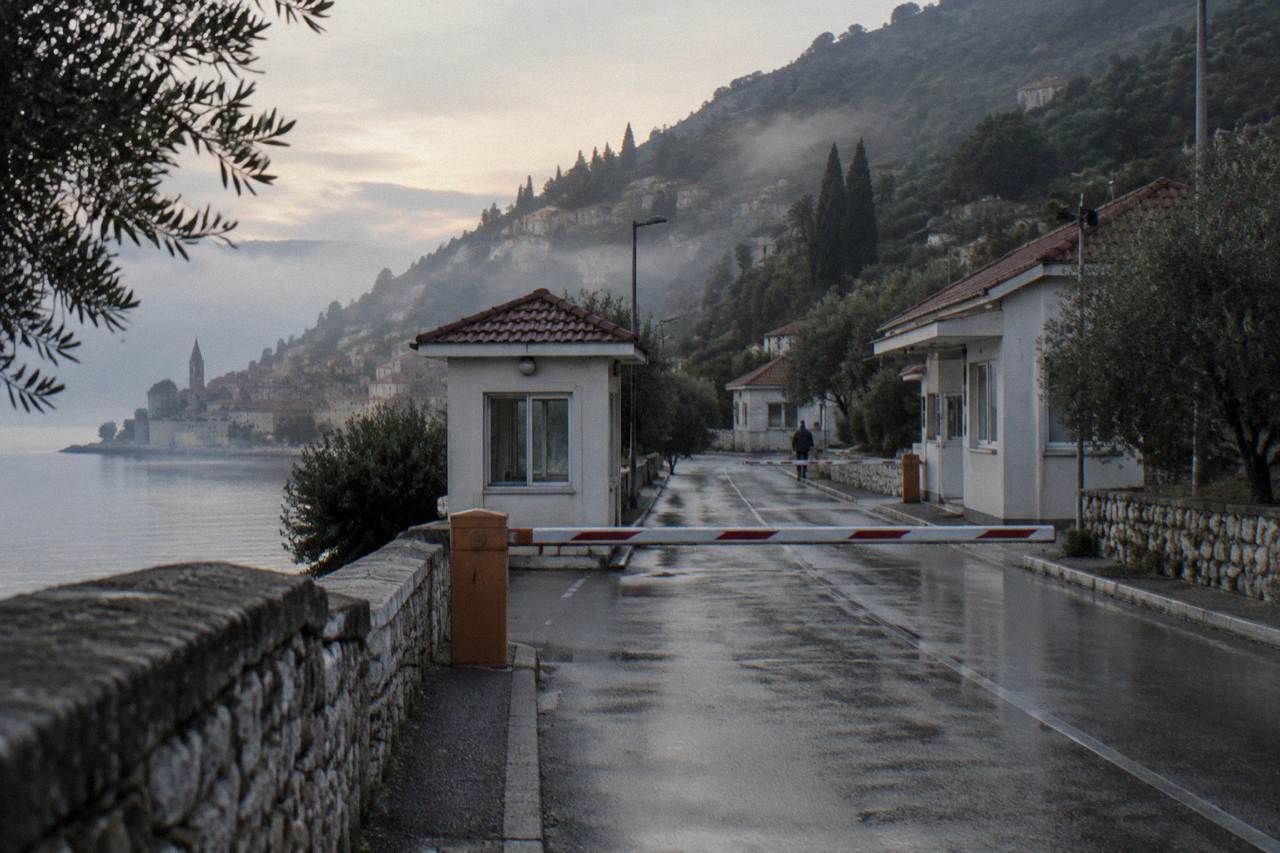
Montenegro sits outside the European Union, so the short drive down the Adriatic from Dubrovnik to Kotor or Budva involves a real international frontier. For years that meant a passport glance and a stamp. Since 10 April 2026 it means something different: biometric registration on the Croatian side, under the EU Entry/Exit System, for every non-EU traveller leaving the Schengen area. The crossing is not hard in the sense of being difficult to complete. It is hard to predict, because processing times swing with the season, the hour and the number of coaches stacked in the queue ahead of you. That unpredictability matters most if you are trying to squeeze Montenegro into a single day, so the question of whether a day trip from Dubrovnik to Montenegro still works deserves a closer look.
This article walks through what the border actually involves in practice: the crossing points, the documents, the EES fingerprinting, the rental car paperwork that trips people up, and why so many visitors from Dubrovnik hand the whole thing to a booked day trip instead. The Montenegro Tours roster includes several Dubrovnik departures, and the differences between them mostly come down to how each one treats the frontier and the time after it. If that option appeals, our day trip guide covers how the drive, the border and the tour stops actually fit together.
Is It Hard To Cross The Border From Croatia To Montenegro?
For most travellers with valid passports, no. The crossing itself takes minutes of actual processing, and Montenegro admits US, UK and EU citizens visa-free for up to 90 days in any 180-day period. The difficulty is the wait, which is driven by biometric EES checks on the Croatian side and by summer coach traffic at the single main coastal crossing, and that wait varies too much to quote a reliable number.
The honest answer has two parts. The bureaucratic part is genuinely easy. Croatia checks you out of the EU, Montenegro checks you in, and both sides stamp or scan a passport a traveller already carries. Nobody needs a visa arranged in advance from the main source markets, and there is no separate permit or authorisation to obtain before driving south, since the long-discussed ETIAS travel authorisation for the EU side has no start date in force and no applications are being collected.
The practical part is the queue. The coastal route from Dubrovnik funnels through one crossing, Debeli Brijeg on the Montenegrin side and Karasovici on the Croatian side, and in July and August that funnel absorbs the combined traffic of every tourist, lorry and excursion coach heading down the Adriatic. Travellers report waits that range from minutes to hours on different days of the same week, which is exactly why this site does not print a figure for it. Single anecdotal reports of multi-hour delays circulate every summer, but a wait measured on one August Saturday tells you nothing about the following Tuesday.
That unpredictability is the real argument for the organised day trip, and it is the reason the border question decides the tour versus do-it-yourself debate for so many Dubrovnik visitors. Three departures illustrate the spread:
The entry-level Day Trip from Dubrovnik, 11 Hours runs from $56 per person and carries a 4.4 rating from 5,782 reviews, the largest review pool of any Montenegro product on this site. The Budva and Boat Ride, 10 Hours option from a different operator runs from $97 per person with pickup stated on the listing, rated 4.7 from 1,034 reviews. The third, a Perast to Kotor boat variant at from $59 per person, rated 4.5 from 5,483 reviews, swaps some road time for water time. All three absorb the border into the itinerary rather than leaving you to manage it.
Which Crossing Points Connect Croatia And Montenegro?
The main coastal crossing is Karasovici on the Croatian side and Debeli Brijeg on the Montenegrin side, on the Adriatic highway between Dubrovnik and Herceg Novi, and it operates around the clock. Inland alternatives exist, including crossings near Niksic and toward Trebinje routes, but they add significant driving for anyone based in Dubrovnik and offer no shortcut to the Bay of Kotor.
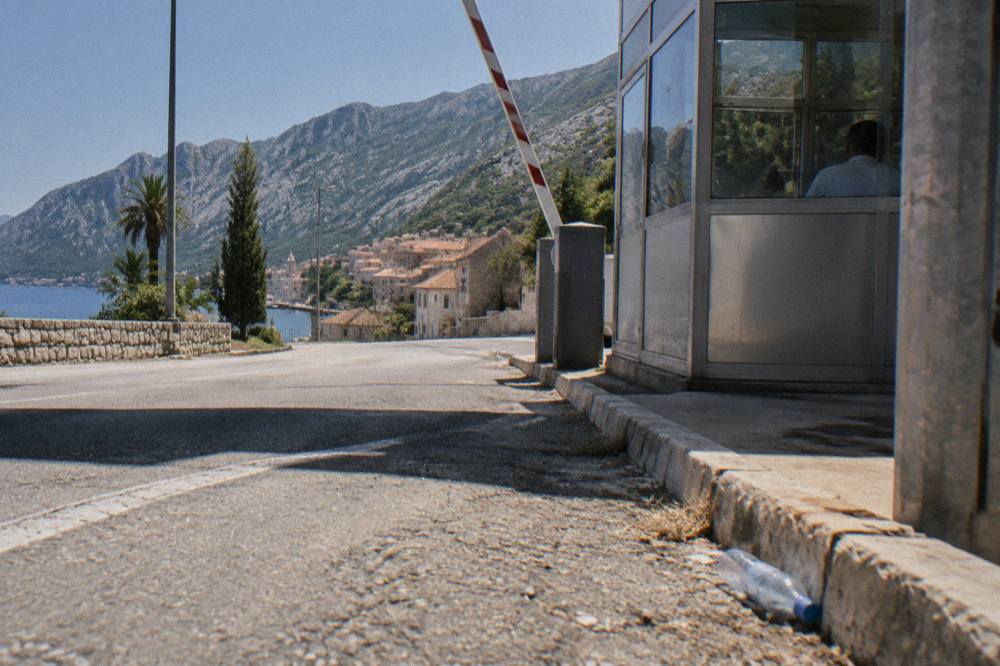
Virtually every Dubrovnik to Kotor or Budva journey uses the coastal crossing. It is a paired checkpoint: you clear Croatian exit control, drive a short stretch of no man's land, then clear Montenegrin entry control a few hundred metres later. Both booths sit directly on the road, so there is no detour, no terminal building to enter, and no getting out of the vehicle. Cars, coaches and campervans all use the same lanes, segregated informally by the police waving traffic forward.
The inland crossings serve a different geography. If your route runs through Bosnian or inland Montenegrin territory, other paired checkpoints apply, and the Montenegro border crossing from Croatia guide covers them in detail. For coast-bound travellers they are a detour measured in hours, not a queue-avoidance trick. In summer, some drivers do loop inland hoping to escape the coastal line, and the trade is simple: more kilometres on mountain roads against an uncertain saving at the booth.
One planning note matters more than the choice of crossing. The coastal road south of the border, the two-lane stretch through Herceg Novi toward Kamenari, carries all of that traffic again, and it bottlenecks at the Verige strait where the bay narrows. A border wait is only the first of the day's delays on a DIY drive; a booked tour has a driver who knows the rhythm of both.
Wondering whether the whole excursion justifies the effort? The question is a day trip to Montenegro from Dubrovnik worth it gets a full treatment elsewhere on this site, border friction included.
What Documents Do You Need At Debeli Brijeg?
A passport valid for the duration of your stay is the core requirement for non-EU citizens, and US, UK and EU passport holders enter Montenegro visa-free for up to 90 days in any 180-day period. EU citizens may also use a national ID card for stays of up to 30 days. Carry the same document in both directions, because Croatia will check it again on the way back.
The passport rule is where occasional travellers slip up. A national ID card that works for an EU citizen entering Montenegro does not work for the Croatian side of the round trip in the same way for non-EU family members, and a passport close to expiry invites questions on both sides even when it is technically valid for the trip. Montenegro's requirement is standard: the document should be valid for your stay, and the 90-days-in-180 clock runs across the whole territory.
| Traveller | Document for Montenegro entry | Notes |
|---|---|---|
| US citizen | Passport | Visa-free, 90 days in 180 |
| UK citizen | Passport | Visa-free, 90 days in 180 |
| EU citizen | Passport, or national ID card | ID card valid for stays up to 30 days |
| Children | Own passport | Every traveller needs an individual document |
Beyond the document itself, the pattern at the booth is short. The Montenegrin officer scans the passport, may ask where you are going and for how long, and waves you through. The Montenegro entry requirements and EES guide covers the paperwork side in full, including what has and has not changed for travellers from visa-free countries.
One thing has not changed: Montenegro has no separate electronic travel authorisation of its own for these nationalities. The digital layer that affects your trip sits entirely on the Croatian side, which is the next question.
How Does The EU Entry/Exit System Change The Crossing?
Since 10 April 2026 the EU Entry/Exit System has been in full operation at external Schengen borders, including Croatia's, replacing passport stamps with biometric registration: fingerprints and a facial image, recorded for non-EU short-stay travellers at first entry. Leaving Croatia toward Montenegro, that means an electronic exit record instead of a stamp, and slightly longer processing per traveller.
The European External Action Service explains the system for Western Balkans travellers plainly: biometric registration replaces stamping once the transition ended on 9 April 2026, and each subsequent crossing re-reads the record rather than reprinting it. In queue terms, the first crossing after a traveller's arrival in the EU takes longest, because that is when fingerprints are captured. Later crossings, including the return into Croatia after a Montenegro day trip, are faster: a fingerprint scan confirms the existing file.
What EES does not do is change any document requirement. You still carry the same passport, and the system creates no new form to fill in. What it changes is throughput. Four fingers on a scanner add seconds per person, and seconds per person multiplied by a coach of fifty becomes minutes multiplied by a lane of coaches. That arithmetic, not any new difficulty, is what stretched summer queues at the coastal crossing.
There is a second EU system travellers ask about, ETIAS, a travel authorisation for visa-exempt visitors. It is not in operation: official EU pages state that no applications are being collected or accepted, and no start date is in force. Nothing about an ETIAS application affects a trip now, and this site does not print the recurring rumoured dates. When the EU fixes one, the entry requirements guide will carry it.
For practical purposes, the EES takeaway is simple: build slack into any DIY schedule that crosses the border, because the per-traveller check is now slightly longer than the stamp it replaced, and the queue compounds it. Booked tours build that slack in as a matter of course, since their itineraries are timed against the frontier all season.
Can You Cross With A Rental Car?
Yes, but only with two things arranged before you reach the booth: a valid Green Card insurance certificate for the vehicle, obtained through the rental company in advance, and explicit cross-border permission written into the rental contract. Without either, the rental firm's insurance may be void in Montenegro and the crossing can end at the barrier. If the paperwork feels like a hassle, our guide to driving a rental car from Croatia into Montenegro explains what to arrange with the rental firm and when a booked day trip is the easier option.
Rental cross-border rules are the single most common way a self-driven Dubrovnik day trip goes wrong. Croatia is in the EU and Montenegro is not, and the Green Card system covers exactly that gap: the card proves to the Montenegrin side that the vehicle's insurance extends across the border. It is arranged through the rental company, sometimes for a fee, and it must be requested rather than assumed. A contract that permits driving to Italy may say nothing about Montenegro, or may forbid it outright. Before you sign anything, our guide to driving a rental car from Croatia into Montenegro walks through the paperwork, the green card, and the situations where letting someone else handle the driving is the easier call.
The checklist is short but none of it is optional at the booth:
| Requirement | Who arranges it | When |
|---|---|---|
| Green Card insurance certificate | Rental company, on request | Before collection or at the desk |
| Cross-border permission in the contract | Rental company | At collection, in writing |
| Vehicle registration papers | Rental company | Hand over with the keys |
| Passport for every traveller | You | At the booth, both directions |
Fuel and tolls are minor by comparison. Montenegro's Adriatic road has no toll between the border and the bay, prices at the pump are broadly comparable to Croatia's, and card acceptance is good in the coast towns. The renting a car in Montenegro guide and the piece on whether you can drive a rental car from Croatia to Montenegro cover the full picture, including the paperwork on the way back. If you're still weighing whether the car earns its keep, the trip-by-trip guide to renting a car in Montenegro sorts the days when driving wins from the days when a boat or a day trip does the job better.
The counter-argument is cost and stress. A one-day rental with cross-border permission, fuel and parking in Kotor often exceeds the price of the from $56 per person coach day trip, and leaves you dealing with the border queue, the Verige bottleneck and Kotor's parking crunch on your own. For a single day from Dubrovnik, the tour is frequently the cheaper and calmer option, which is why the border question doubles as a booking question.
How Long Does The Border Take In Practice?
No reliable figure exists, and any specific number of hours printed in a blog post is one day's anecdote. Waits range from a few minutes in the shoulder season or off-peak hours to long summer queues when coaches and rental cars stack together, and the same crossing can produce a twenty-fold difference between a Tuesday morning and a Saturday at midday.
This site deliberately prints no wait estimate, for a reason worth explaining. Reports circulate each August of multi-hour queues at Debeli Brijeg and Karasovici, usually from a single day at peak. Those reports are real, but they describe the worst hours of the worst weeks. The same crossing clears a car in under ten minutes on a May evening. Averaging the two produces a number that matches neither, and planning against it fails in both directions.
What can be said honestly is the pattern. The queue builds when three things coincide: full summer season, weekend or midday timing, and heavy coach traffic from excursion operators. It eases early in the morning, late in the evening, and across the whole stretch from October to April. EES biometric checks add a fixed per-traveller cost that was not there before 2026, so the ceiling in the worst hours sits somewhat higher than in the stamp era.
The practical consequences are the ones worth acting on. If you drive yourself, cross early and build a two-hour cushion into any timed commitment on the far side, such as a booked boat departure in Perast. If you take a tour, the operator's schedule already carries that cushion, and its local driver reads the queue's rhythm in a way a first-time visitor cannot. Several Dubrovnik departures make the trade explicit, and the mid-range one is worth a look here:
The Perast to Kotor boat day trip, from $59 per person and rated 4.5 from 5,483 reviews, pairs the road transfer with a boat leg on the bay, and like the others it runs on an itinerary timed against the frontier all season rather than against an optimistic schedule. Reading a listing's cancellation and timing terms before booking is the reliable way to see how each operator handles a delayed crossing.
Do Tour Buses Use A Different Process?
No. Coaches clear the same Debeli Brijeg and Karasovici booths and the same officers, but a booked tour changes your experience of the queue rather than the queue itself: you sit while a professional driver edges the coach forward, passengers usually stay seated during control, and the itinerary absorbs the delay so your timed stops adjust rather than collapse.
The mechanics differ slightly by vehicle. On a coach, the Montenegrin police typically board or collect passports in a batch, process them at the booth, and return them, which is why passengers often experience the border as a pause in a film rather than a checkpoint. EES applies on the Croatian side regardless: the exit record is created for each non-EU traveller, and coaches clear it passenger by passenger, which is part of why coach lanes can move slowly at peak even though nobody on board is doing anything.
What the tour actually buys you is the transfer of responsibility. The queue time is identical; the stress is not. You are not the one inching a rented car forward while a ferry of questions runs through your head about the Green Card in the glovebox. And the downstream schedule flexes: a guide who loses forty minutes at the border shortens a photo stop, not your boat. On a DIY trip, those forty minutes come out of your Kotor old town time or your parking spot. If you're still deciding whether the wheel earns its keep at all, the guide to when renting a car in Montenegro makes sense weighs the roads, fees and border hassle against simply booking the boat.
The flagship version of this is the most-booked product in this category:
The Day Trip from Dubrovnik, 11 Hours, from $56 per person with a 4.4 rating across 5,782 reviews, runs with Super Tours Travel Agency and covers Kotor, Perast and Our Lady of the Rocks in a single coach day. Its listing states pickup details and timing directly, and its enormous review pool is essentially a long public record of how the schedule survives the border in every month of the season. Check availability through the live listing for current dates and departure terms.
Bus Or Private Transfer: What Is Easier Across The Border?
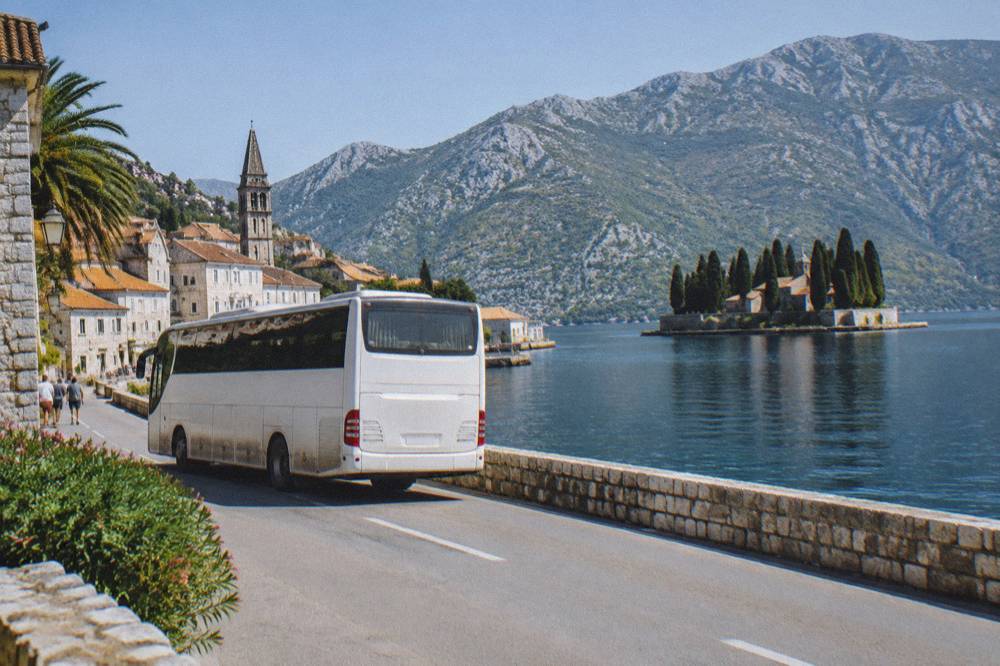
A booked seat on a scheduled coach or day trip is the easiest crossing for most travellers, because you hand the queue and the paperwork rhythm to a driver who runs it daily. A private transfer is calmer still for families and groups, at a price, while a public intercity bus is the cheapest and the least comfortable option when the queue stretches, since you sit in it with no schedule flexibility at all.
The three options price out differently. The group day trip from Dubrovnik starts at $56 per person and bundles the border into a guided itinerary. Public intercity buses between Dubrovnik and Kotor or Herceg Novi cost less and run regularly in season, but a long queue can blow a connection, and there is no one to renegotiate the far side of your day. Private transfers and tours sit at the top: the private 9-hour day trip from Dubrovnik on this site's roster runs from $763 per group for up to three guests with pickup stated on the listing, rated 4.9 from 195 reviews, and turns the whole border question into someone else's job.
| Option | Typical price basis | Border experience | Best for |
|---|---|---|---|
| Group day trip from Dubrovnik | From $56 per person | Coach queue, itinerary absorbs delay | First-time visitors, solo travellers |
| Public intercity bus | Lowest fares | Same queue, no flexibility | Budget travellers, relaxed schedule |
| Private transfer or private tour | From $763 per group (up to 3) | Same queue, full control of timing | Families, small groups |
The border itself does not discriminate between these. EES applies to every non-EU traveller, the Green Card rule applies to any private vehicle, and the queue is the queue. What changes is who absorbs the friction, and that is a straightforward purchase decision rather than a travel-hacking problem.
What About Coming Back Into Croatia?
The return crossing re-enters the EU, so Croatia runs entry checks at Karasovici: for non-EU travellers, an EES entry record is created or updated with a fingerprint scan, and the 90-days-in-180 Schengen clock keeps running. Most day-trippers clear it in minutes, but evening return traffic in peak season queues in the same lanes you met on the way down.
The symmetry surprises people. Having left the EU in the morning, you re-enter it hours later, and the system treats that as a fresh entry: biometrics confirmed, file updated, allowable stay recalculated. For a typical visitor who arrived in Croatia a few days earlier, there is nothing to do and nothing to worry about; the scan is routine. The travellers who should think ahead are those stacking their Schengen days near the 90-in-180 limit, for whom every Montenegro excursion adds an exit-and-entry pair to the record.
Day trips return against the evening flow, which is usually lighter than the midday outbound rush but not empty in July and August. Tour operators time their departures around it, which is one more small argument for the booked coach over the self-driven loop. The EEAS explainer for Western Balkans travellers covers the mechanics of repeat crossings for anyone who wants the official wording.
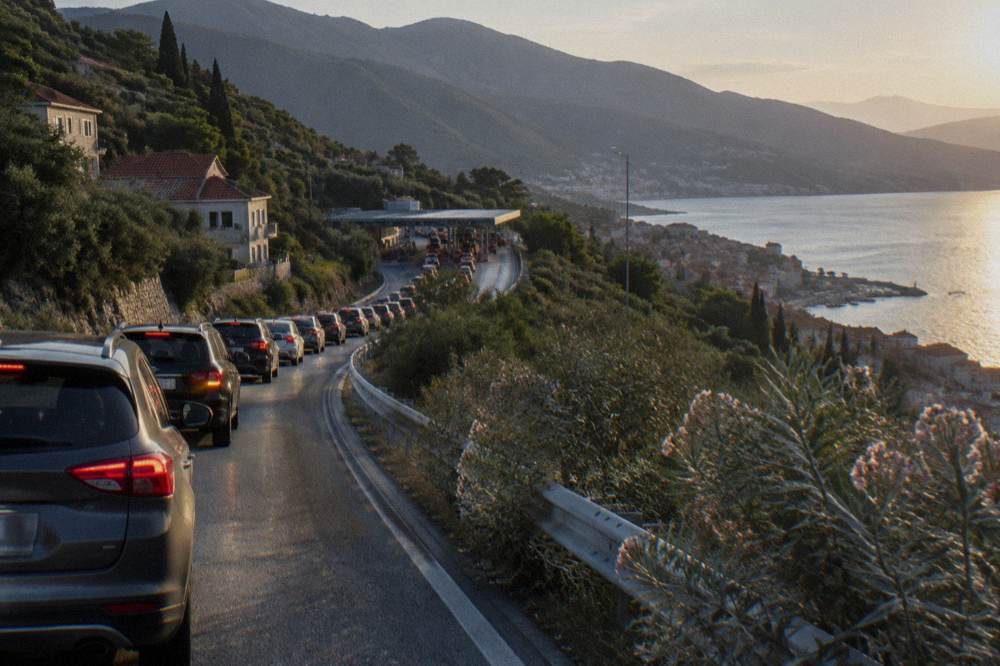
By now the pattern across every question in this article should be clear. The crossing is administratively simple and predictably unpredictable. The three Dubrovnik departures compared below all convert that unpredictability into a fixed-price seat:
Whichever way you cross, the bay on the far side rewards the patience.
Common Questions About Crossing The Croatia To Montenegro Border
Is It Hard To Cross The Border From Croatia To Montenegro?
No, the process itself is straightforward for passport holders: Croatia records your EU exit and Montenegro admits US, UK and EU citizens visa-free for up to 90 days in 180. The variable part is the wait at the coastal crossing, which swings with season and traffic rather than with any difficulty in the procedure.
Do I Need A Visa To Enter Montenegro From Croatia?
US, UK and EU citizens do not need a visa for stays of up to 90 days in any 180-day period. A valid passport is required; EU citizens may also use a national ID card for stays of up to 30 days. Montenegro is outside the EU, so EU freedom of movement does not apply, but the visa-free arrangements cover ordinary tourism.
Does The EU Entry/Exit System Apply At This Border?
Yes, on the Croatian side. Since 10 April 2026 the EES has been fully operational, registering fingerprints and a facial image for non-EU short-stay travellers instead of stamping passports. You cross in a vehicle as normal; the change is a slightly longer per-person check and an electronic record instead of a stamp.
Can I Take A Rental Car From Dubrovnik Into Montenegro?
Only with a Green Card insurance certificate arranged through the rental company in advance and explicit cross-border permission in your rental contract. Without both, insurance cover may be void across the border and the rental terms are breached. Check the listing and your contract before committing to the drive.
Which Border Crossing Should I Use From Dubrovnik?
The coastal pair, Karasovici and Debeli Brijeg, is the only sensible option from Dubrovnik and operates around the clock. Inland crossings exist but add hours of driving and no queue guarantee. Build slack into your schedule rather than detouring.
Is Taking A Tour Better Than Driving Yourself Across?
For a single day trip from Dubrovnik, usually yes. The group day trip starts at $56 per person against the combined cost of a cross-border rental, fuel and parking, and the operator's schedule absorbs border delays instead of your sightseeing time. Private options from $763 per group suit families who want full control.