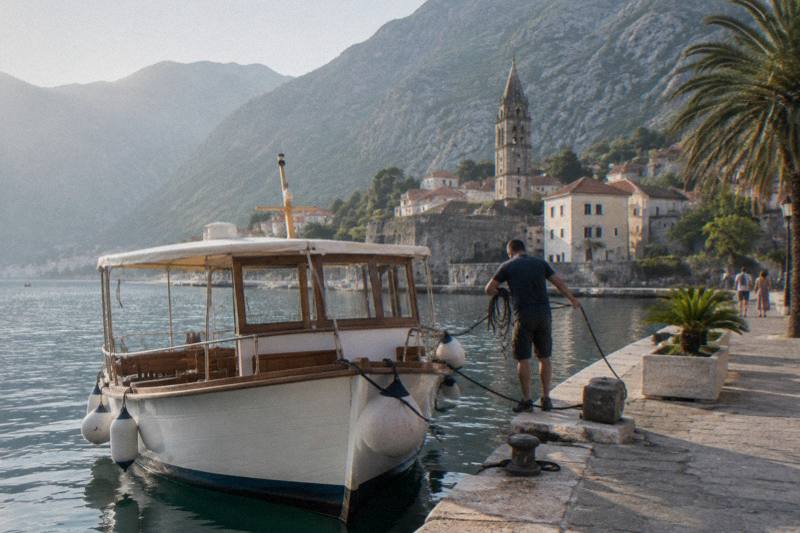
How Do I Get To Blue Cave, Montenegro?
Blue Cave sits on the Lustica Peninsula and is reached almost entirely by boat from Kotor, Tivat or Herceg Novi. This guide covers the routes, meeting points, swim-in rules and costs.
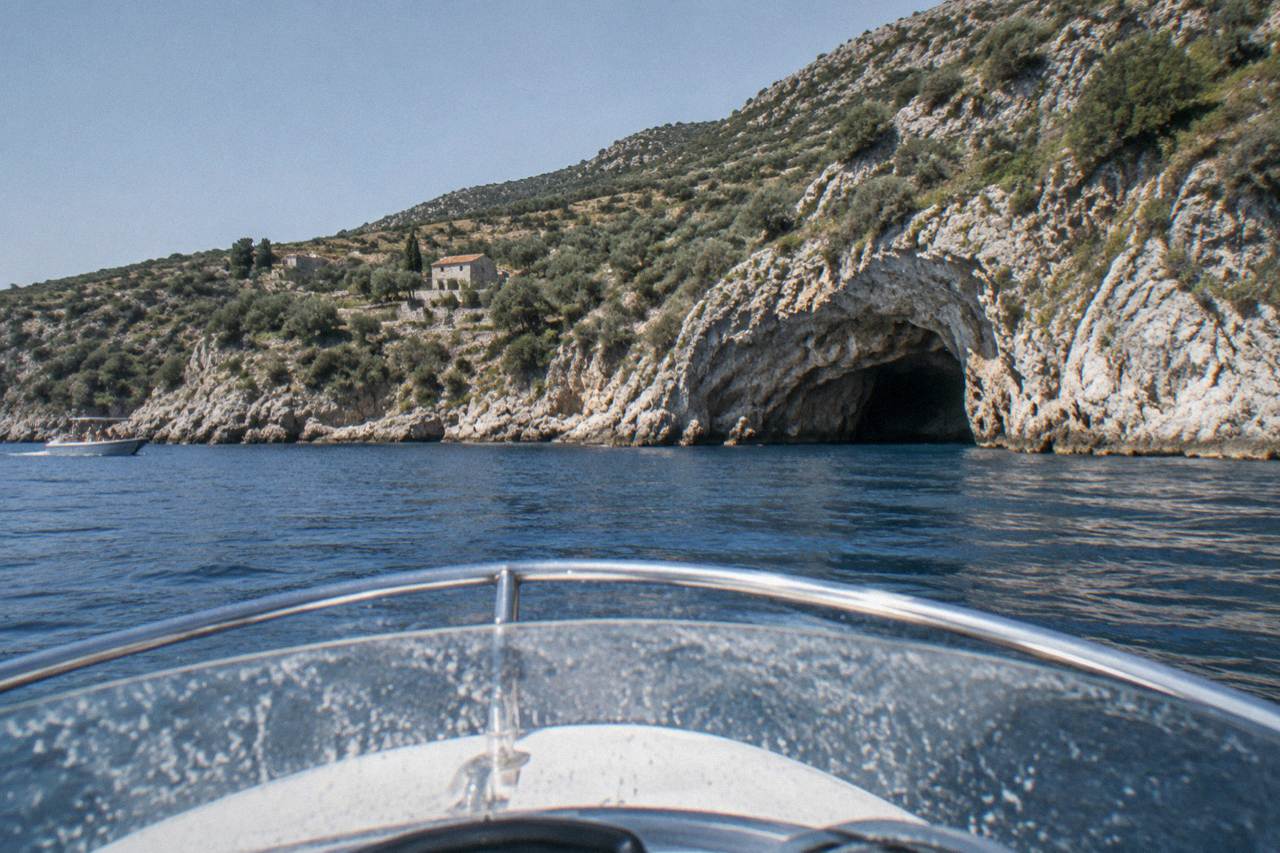
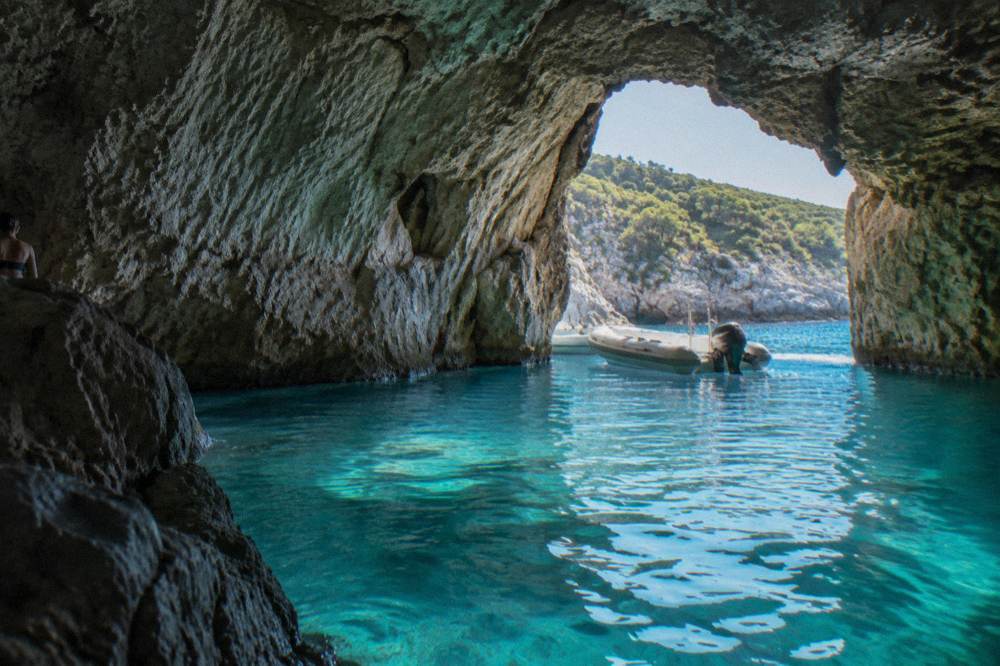
The Blue Cave, known locally as Plava Spilja, is a flooded sea cave on the Lustica Peninsula where sunlight refracts through the underwater entrance and fills the chamber with an intense blue glow. It sits outside the Bay of Kotor on the open Adriatic side, which is the single fact that shapes every part of the journey: there is no road to it, no walking path down the cliffs, and no ferry. Nearly every visitor arrives on a tour boat or a chartered vessel, most of them departing from Kotor's waterfront after a scenic ride down the full length of the bay.
The rules changed recently, too. A navigation regulation published in the Official Gazette in late May 2026 bans motorized vessels from entering the cave itself, so boats now anchor outside and guests swim or float in, as reported by Radio Tivat. That changes what a "Blue Cave tour" physically looks like, and it is worth understanding before you book anything. This article walks through the departure points, the routes, the costs, the new rules and the practical questions that come up again and again.
How Do I Get To Blue Cave, Montenegro?
The only practical way to reach the Blue Cave is by boat, on a tour or private charter departing from Kotor, Tivat, Herceg Novi or a nearby coastal point. Nearly all listed tours leave from Kotor's waterfront, ride roughly the length of the bay past Perast and Mamula, round the Lustica Peninsula and stop outside the cave. Since a May 2026 regulation, boats no longer enter the cave; you swim in from the anchored boat, so basic swimming confidence matters. If you're flying in for the trip, our guide to reaching Kotor from Tivat and Podgorica airports covers every option by bus, shuttle or private transfer.
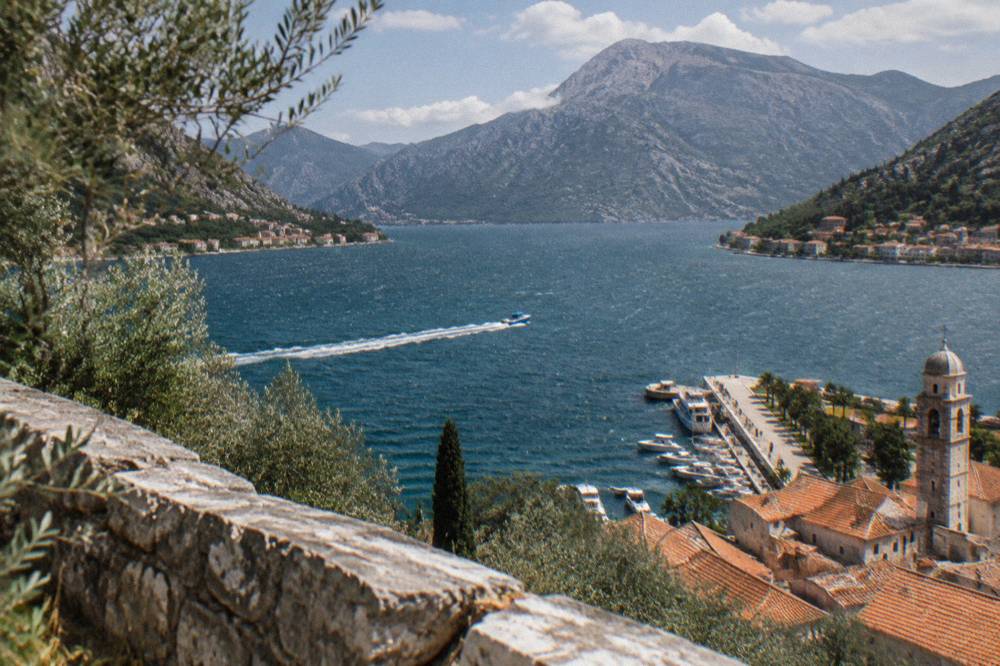
The geography drives everything. The cave opens at the waterline on the Lustica Peninsula's western shore, facing the open sea. From Kotor, a speedboat trip to it means travelling down the bay, passing the Verige Strait, Perast, the islands of Our Lady of the Rocks and St George, the former fortress island of Mamula at the bay's mouth, and then turning west along the peninsula's outer coast. That is not a transfer; it is most of the sightseeing in one ride, which is why the cave is almost always sold as part of a combined tour rather than a lone destination.
For most travellers staying in Kotor, Budva or Tivat, the decision is simply which tour to book. The Blue Cave, Submarine Base and Our Lady of the Rocks tour run by Aquaholic Speedboat Tours Kotor is the most-booked option on this site: roughly three hours, from $43 per person, rated 4.8 from 5,099 reviews, departing Kotor. Pickup is not part of the listing, so you make your own way to the departure point.
If you are weighing whether the swim itself suits you, read the companion piece on swimming inside the Blue Cave before committing, since the swim-in rule makes that question more than academic. And because the cave's blue effect depends entirely on sunlight and sea state, the timing questions are covered in detail in the guide to Blue Cave sea conditions and the best time to go.
Where Do The Boats To The Blue Cave Leave From?
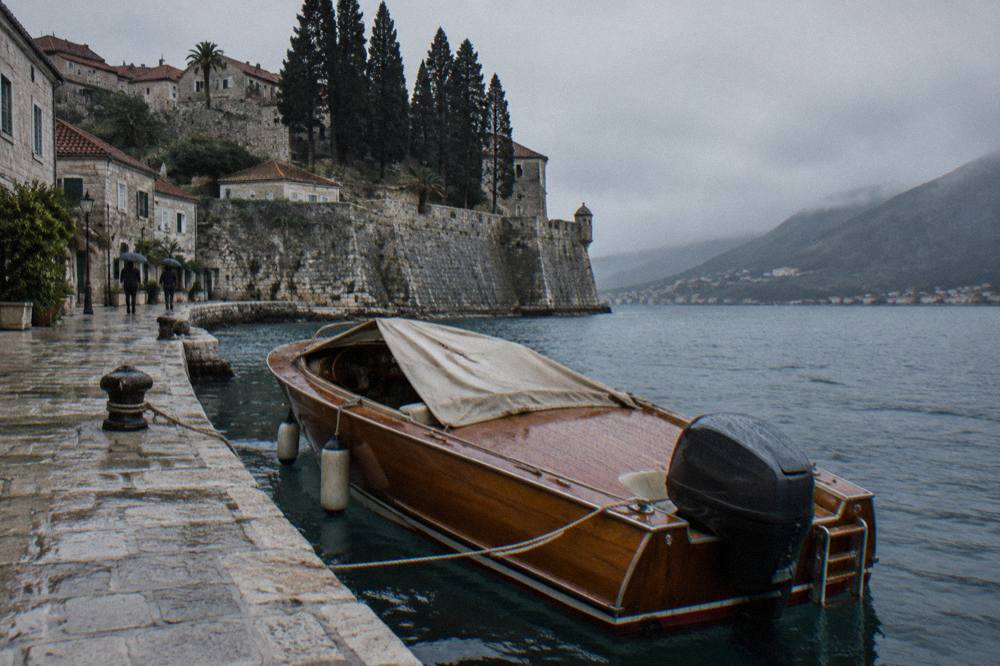
Most listed Blue Cave tours depart from Kotor, with occasional departures from Herceg Novi and meeting points near Tivat; there is no public boat line and no road access. In Kotor, departure points sit on the waterfront within walking distance of the Old Town, and one operator's Perast speedboat starts at City Park, Park Slobode 1, about 200 metres from the Main Gate. Always confirm the exact meeting point on the listing before you travel. Since most boats leave from Kotor and pass Perast on the way out, our guide to the prettiest towns in Montenegro can help you decide what to see on shore before or after your trip.
Kotor is the hub because that is where the cruise passengers, the bay-side hotels and the largest number of operators are. The tour that opens this article departs Kotor, as do the Hawai Boat Tours and MontenegroGlobe variants. One operator, Montenegro Submarine and Speed Boat Tours, lists its Perast speedboat departure from City Park at Park Slobode 1, roughly 200 metres from the Old Town's Main Gate and a short walk from the Port of Kotor, which gives you a sense of how compact the departure zone is: everything happens along a few hundred metres of quay.
If you are staying elsewhere, the picture changes. A private boat tour from Herceg Novi, roughly four and a half hours and from $658 per group for up to six guests with pickup listed, starts much closer to the Lustica Peninsula and skips the long ride down the bay. From Budva, the realistic answer is to travel to Kotor first, then join a departure there. From Tivat, some kayak and boat products list meetings in the Škaljari area near Kotor, but the majority of listings still say Kotor.
A word on pickup: unless a listing explicitly states hotel pickup, assume there is none. Several Blue Cave listings on this site say nothing about pickup at all, which means you walk, taxi or drive to the quay yourself. Kotor's Old Town to the waterfront is a few minutes on foot, so this is rarely a hardship, but cruise passengers working to a ship's schedule should build in buffer time.
Can You Reach The Blue Cave Without Taking A Tour?
Independent access is possible but impractical for most visitors: you would need a private charter, a taxi-boat from a coastal village on Lustica, or a kayak trip with a long open-water crossing. There is no road, no trail and no scheduled ferry. For almost everyone, a shared tour from $38 to $57 per person or a private charter is the realistic route, and the new swim-in rule makes an organised trip safer than going alone.
The one genuinely independent alternative is kayak-based. A Blue Cave kayak and snorkel trip from Kotor or Tivat, roughly five hours and from $136 per person with pickup listed, includes the crossing as a guided paddle, and under the new regulation kayaks are the one craft type still permitted to enter the cave's interior under their own power. That trip is a serious workout, though: it is a five-hour format for a reason. The trade-offs between guided and self-arranged travel are laid out more generally in choosing between private and group tours in Montenegro.
Private charters solve the access problem with money. A private boat for up to nine guests from Kotor runs from $389 per group for roughly three hours, rated 4.9 from 221 reviews, and a Hawaii Boat Tours Kotor private version from $342 per group for up to eight. Per person with a full boat these can undercut the shared tours, which is why families often end up here. The charter drops anchor outside the cave exactly like the shared boats do; the regulation applies to everyone.
The one thing not to do is treat the cave like a beach destination you can walk to. The Lustica Peninsula's western shore is a mix of cliffs, rocky coves and a few small beaches, and the cave entrance is at the waterline, reachable only from the water. Even visitors staying on Lustica itself end up taking a taxi-boat for the last leg.
How Long Does The Boat Trip To The Blue Cave Take?
A standard shared speedboat tour from Kotor runs about three hours door to door, of which the cave is one roughly 30-minute swim stop; listings on this site run from about two hours (Perast only, no cave) to seven hours for full-day versions. From Herceg Novi the ride to the peninsula is much shorter. Budget half a day including check-in for any Kotor departure.
The three-hour format is the workhorse: the Aquaholic trip, the Montenegro Submarine and Speed Boat Tours Blue Cave Swim version at roughly three to three and a half hours from $40 per person (4.7 from 4,903 reviews), and the Sea Dog Speedboat tour at three hours from $45 (4.8 from 697 reviews) all follow the same skeleton. Ride down the bay, stop at the cave, stop at Our Lady of the Rocks or the submarine tunnels or Mamula on the way back. The operator Montenegro Submarine and Speed Boat Tours notes that standard departures cluster around 09:00, 12:00 and 15:00 through a season running April to October, with the swim stop now taken from the anchor point outside the entrance, per the operator's own explanation of the new law.
Longer versions add more stops. The Hawai Boat Tours full tour, listed at roughly three to seven hours from $38 per person with a 4.7 rating from 2,533 reviews, uses its longer variants to add swimming time and the war tunnels. The four-hour Blue Cave and Perast option, 4.9 from 343 reviews and from $51, adds more time in Perast.
| Tour (all depart Kotor unless noted) | Duration | From price | Rating and reviews |
|---|---|---|---|
| Blue Cave, Submarine Base, 3 Hours (Aquaholic) | ~3 hours | $43 per person | 4.8, 5,099 reviews |
| Blue Cave Swim, 3.5 Hours (Montenegro Submarine) | ~3 to 3.5 hours | $40 per person | 4.7, 4,903 reviews |
| Blue Cave, War Tunnels, 7 Hours (Hawai) | ~3 to 7 hours | $38 per person | 4.7, 2,533 reviews |
| Blue Cave and Perast, 4 Hours | ~4 hours | $51 per person | 4.9, 343 reviews |
| Private Boat, Up to 9 Guests | ~3 hours | $389 per group | 4.9, 221 reviews |
| Private from Herceg Novi, 4h 30min | ~4.5 hours | $658 per group (up to 6) | 4.9, 31 reviews |
Notice the pattern in the table: duration buys stops, not more cave time. The cave portion is capped by crowding and by the swim-in format; nobody spends two hours inside. If your heart is set on the cave specifically, the cheap three-hour trips deliver essentially the same chamber as the expensive ones.
How Much Does It Cost To Get To The Blue Cave?
Shared speedboat tours from Kotor cost from $38 to $57 per person on this site's roster, with the mainstream options clustered at $40 to $45; private charters run from $342 to $389 per group for three hours. Add-ons on the day are small: the church and museum on Our Lady of the Rocks costs roughly EUR 2 to 3 at the door, paid separately from the boat fare.
The per-person spread is narrower than people expect. The cheapest cave-inclusive listing is the Hawai full tour at $38; the most expensive shared speedboat is the LIMITLESS exclusive swim version at $57 per person, 4.8 from 592 reviews, which promises a smaller group. Between them sit the big-volume three-hour trips at $40 to $45. What moves the price is group size and exclusivity, not a different cave.
Private pricing needs care, because the basis differs. The Montenegro Submarine private boat is $389 per group for up to nine guests, which is about $43 each with a full boat; the Hawaii Boat Tours Kotor private is $342 for up to eight. A separate VIP private charter from the same operator is listed at $169 per person, priced per person as labelled, so read the basis line on every listing before comparing. The full cost breakdown, including what the fees on the islands add, is in what a Blue Cave tour costs.
One cost that does not exist: an entrance fee for the cave itself. There is no ticket booth on the Lustica rocks. What you pay is the boat, and whatever optional island fees you pick up en route. If a listing quotes a price, that listing price is what you pay unless it names an exclusion.
What Is The Route The Boat Takes From Kotor?
The standard route from Kotor runs down the entire bay: past Dobrota and Prcanj, through the Verige Strait, past Perast and its two islands, out past the Mamula fortress island at the bay's mouth, then west along the outer coast of the Lustica Peninsula to the cave. The ride out is roughly an hour in a fast boat, and every landmark on it is a photo stop on the way back.
Knowing the route helps you choose a tour, because the return leg is where tours differ. The skeleton is fixed. You leave Kotor's quay and immediately have the Old Town walls behind you. The bay narrows at Verige, the strait where new 6-knot speed limits apply within 300 metres of shore and in designated zones including the Perast islands area, with organised fast corridors of up to 18 knots allowed away from shore in convoy, as the same Radio Tivat report on the new Boka navigation rules explains. In practice this means the fast sections come in bursts between slow zones, and the trip takes on a rhythm.
Past Perast the boat passes Our Lady of the Rocks, the man-made island with its church, and St George opposite it. Mamula, the 19th-century fortress island, guards the bay's entrance; one listing dates its fortress prison to 1853. Then the boat turns out of the sheltered bay into open water and runs along Lustica's cliffs to the cave. The final approach is the only stretch where swell matters, which is why sea state can decide the whole day, a topic covered fully in the sea conditions guide.
Tours then vary the return: some stop at the submarine tunnels and naval tunnels pockmarking the coastline, some at Mamula for a look, most at Perast or Our Lady of the Rocks. If one landmark matters to you, check the itinerary line on the listing before booking rather than assuming.
What Are The Rules For Entering The Blue Cave Now?
Since a regulation published in the Montenegrin Official Gazette in late May 2026, motorized vessels are banned from entering the cave and must stay at least 20 metres from the entrance; guests swim or float in from the anchored boat, with operators providing life jackets and kickboards. Kayaks and other non-motorized craft may still enter. The rule is national, applies to every operator, and is not something a boat can waive for you.
Practically, this means the cave experience is now a swim stop. Boats anchor 10 to 20 metres outside the entrance, the crew hands out flotation, and you go in under your own power or stay on the boat. The chamber's blue glow works from the water and from the entrance alike, so non-swimmers still see the effect; they simply do not stand inside it. Guests who cannot swim, or who are travelling with very young children, should read a listing's swim language carefully before booking, and the dedicated piece on whether you can swim in the Blue Cave goes through the mechanics. Crew briefings and swim instructions on these boats are nearly always given in English, and if you're wondering how far that stretches beyond the coast, our guide to English in Montenegro has the answer.
The wider rule set matters too. The same Pravilnik introduced the Boka speed limits described above, and the nautical sector as a whole is more regulated than it was: under the Tourism and Hospitality Law framework, commercial boat tour operators must register in the Central Tourism Register with proof of vessel registration, berth rights and passenger insurance before operating, with inspections running since June 2026. For a visitor, the visible sign of a legal operator is a registered vessel, a stated departure point and insurance; every tour on this site's roster is a listed commercial product, which is the easiest filter of all.
Can You Visit The Blue Cave From A Cruise Ship Stop In Kotor?
Yes, and the three-hour tour format is almost designed for it: cruise ships dock or tender within a flat five-minute walk of Kotor's Old Town gates, and the standard 09:00, 12:00 and 15:00 departure pattern can fit a typical port call. The risks are timing and weather: if your ship anchors late or the afternoon swell cancels the run, no refund logic undoes a missed port window. Book the earliest slot your ship allows.
The geography is unusually kind here. Ships either dock at the main pier, roughly a five-minute flat walk along the waterfront to the Sea Gate, or tender passengers to a landing stage nearby. The tour departure quays are in the same zone. A passenger off a ship by 08:30 can realistically make a 09:00 departure, and a three-hour trip returns with hours to spare before typical evening sailaways. There is even a dedicated shore-excursion speedboat version of the cave route, three hours from $51, rated 4.9 from 287 reviews.
The honest caveats: the Port of Kotor's cruise schedule is dense, and the cave stop depends on sea state on the open-water side of Lustica. Boat trips are cancelled for wind and swell, the bura and the scirocco being the named culprits, and no operator sells a guarantee of the cave or a guarantee of the blue light. Check the cancellation terms on the listing, and have a mental plan B, whether that is the Old Town and walls or a shorter bay-only boat trip that stays in sheltered water.
Cruise passengers with only half a day on shore may prefer the dedicated six-hours-in-Kotor plan, which times a cave trip against everything else a port call allows.
When Can You Get To The Blue Cave In The Year?
The boat season to the cave runs roughly April to October, matching the operators' stated windows, with the sea calmest and the blue effect most reliable in the high-summer months; outside that window, rough-water days multiply and most listed departures simply stop running. Within the day, midday departures catch the strongest light in the chamber, and morning departures catch calmer air.
Operators describe the season as April through October, and the fresh snapshots from the bay corroborate the pattern without establishing any official open-or-closed dates, because there are none: the cave has no authority gate, only the sea and the boat schedules. What actually decides any given day is the wind. The bura, a gusty northeast wind, and the scirocco, a steadier southeasterly that brings swell, both hit the outer coast where the cave sits, and both cancel trips. A calm late-April Tuesday can deliver a perfect visit; a stormy August afternoon cannot.
| Timeframe | What to expect for the boat trip |
|---|---|
| April to mid-June | Season running, fewer crowds, water still cold for the swim-in, changeable days |
| July and August | Peak departures and peak crowds at the cave entrance, warmest water, most reliable calm |
| September to mid-October | Quieter quays, warmer sea than spring, first autumn storms possible |
| November to March | Most listed tours not running; open-water swell makes the cave stop rare |
The seasonal planning logic for the whole country, including how the bay's shoulder months compare with the coast, is laid out in the best time to visit Montenegro, and the wind patterns specific to this bay are worth reading if your dates are flexible.
What Should You Bring For The Trip To The Cave?
Bring a swimsuit worn under clothes, a towel, sunscreen applied before boarding, water shoes if you dislike rocks, a dry bag for phones, and cash or a card for the optional island entry fees. Because the cave is now a swim-in stop, a life jacket or kickboard from the crew is the normal way to float in; bring swim confidence rather than snorkelling gear expectations, and check the listing for what it provides.
The swim-in rule reshuffles the packing list. Snorkelling gear is pleasant but peripheral; flotation is the difference between enjoying the chamber and gripping the boat. Most operators provide life jackets and kickboards as standard under the new format, but verify on the listing rather than assuming. Water shoes earn their place on the rocky anchor points, and a dry bag beats a pocket for the ride out, which involves spray on the fast corridors.
For the non-swimming half of a couple or family, the trip is still worthwhile: Mamula, the tunnels, Perast and the bay ride are all seen from the boat, and only the cave interior requires getting wet. Dress in layers for the fast legs, which are windier than the quay suggests. The full packing logic, including what the bay's winds do to a light jacket, is in what to wear and bring on Montenegro tours.
If your trip doubles as a photography plan, go midday: the blue effect inside the cave is a light phenomenon and it peaks when the sun is high. Morning trips give calmer water; midday trips give better blue. You cannot have both on one departure, so decide which matters more.
Common Questions About Getting To The Blue Cave
How Do I Get To Blue Cave, Montenegro?
By boat, on a tour or private charter, almost always departing from Kotor's waterfront, with some options from Herceg Novi and meetings near Tivat. There is no road or ferry. Shared tours run from $38 to $57 per person for about three hours, and since May 2026 boats anchor outside the cave and you swim in.
Can You Get To The Blue Cave Without A Tour?
Only by private charter, taxi-boat from the Lustica coast, or a guided kayak crossing, which the new rules still allow to enter the cave. There is no walking route, no public boat and no entrance ticket. For most travellers a shared speedboat tour is cheaper and simpler than any independent option.
How Long Is The Boat Ride From Kotor To The Blue Cave?
The ride out is roughly an hour in a fast speedboat, and the full standard tour is about three hours including the cave swim stop and return stops at Our Lady of the Rocks, the tunnels or Mamula. Longer listings stretch to four or seven hours by adding stops, not cave time.
Do The Boats Enter The Blue Cave?
No. A regulation published in late May 2026 bans motorized vessels from entering, and boats must keep at least 20 metres from the entrance. Guests swim or float in from the anchored boat using life jackets and kickboards provided by the crew. Kayaks may still enter under their own power.
When Does The Blue Cave Season Run?
Roughly April to October, per the operators' own listings, with typical departures around 09:00, 12:00 and 15:00. There are no official open or closed dates because the cave has no gate; the deciding factors are the boat schedules and the sea state on Lustica's outer coast.
Is The Blue Cave Trip Suitable For Non-Swimmers?
For the cave interior, no, since entry is now by swimming from the anchored boat. For everything else on the tour, yes: the bay ride, Mamula, the tunnels and Perast are all experienced from the boat, and the cave's blue glow is visible from the entrance. Check the listing's swim language before booking.