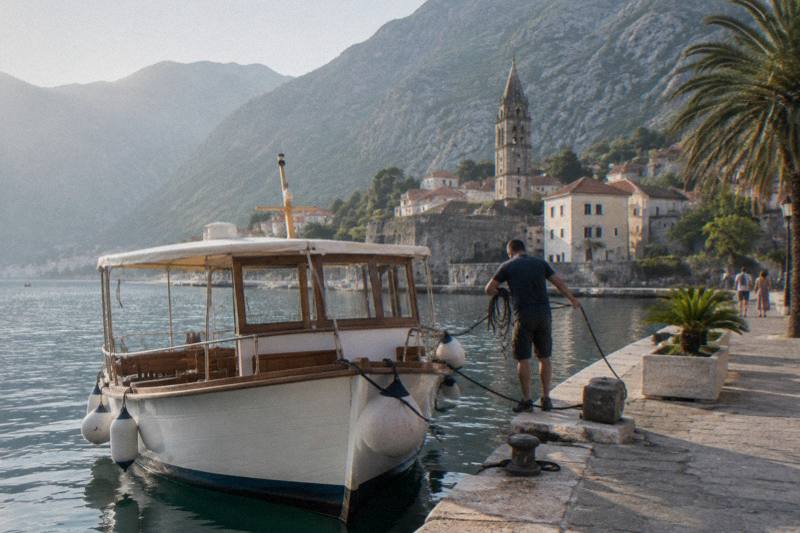
What To Wear And Bring On Tours In Montenegro
What works on a speedboat in the Bay of Kotor fails on a Durmitor ridge, and what passes at a beach bar will not get you into Ostrog. Here is what to wear and bring, tour by tour, with the fees and rules that shape each choice.
Short answer
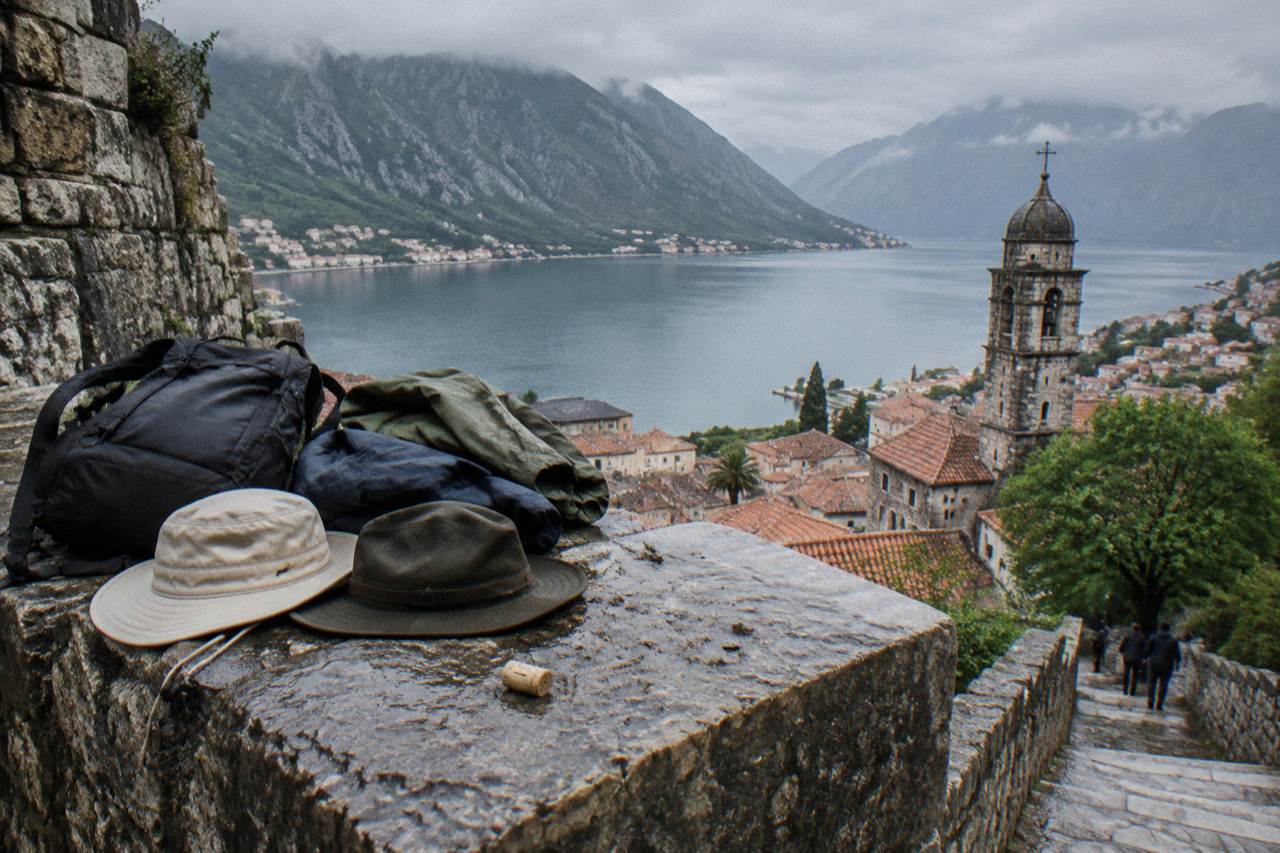
Wear quick-dry layers and a windproof jacket for boat tours, swimwear under clothes for Blue Cave trips, wetsuits or layers for Tara rafting between April and October, covered shoulders and knees for monasteries, and warm gear for Durmitor, where Zabljak January highs average just 2.2 C. Bring cash in euros for park entry, EUR 5 at Durmitor and Skadar Lake.
Montenegro packs four climates into a country smaller than Wales, and a single week here can put you on a hot speedboat deck in the morning and a 1,456 m mountain plateau by afternoon. Zabljak, the base town for Durmitor, averages a January daily high of just 2.2 C, while coastal Bar averages 30.1 C in July. The clothing that serves one will get you heatstroke or hypothermia at the other, so this guide works through the four main tour types separately: boat and swim trips, Tara rafting, monastery visits and mountain days.
The rules matter as much as the fabric. A regulation effective in late May 2026 bans motorized vessels from entering the Blue Cave, so guests now swim in from an anchorage outside, which changes what you need on the boat. Monasteries enforce a dress code. National parks charge entry in cash, euros, at the gate. And the featured trip this site points most readers toward, the Blue Cave, Submarine Base and Our Lady of the Rocks tour from Kotor (from $43 per person, 4.8 from 5,099 reviews), is a good example of a single morning that needs swimwear, a cover-up, dry shoes and euros in small notes.
What To Wear On Boat And Swim Tours In The Bay?
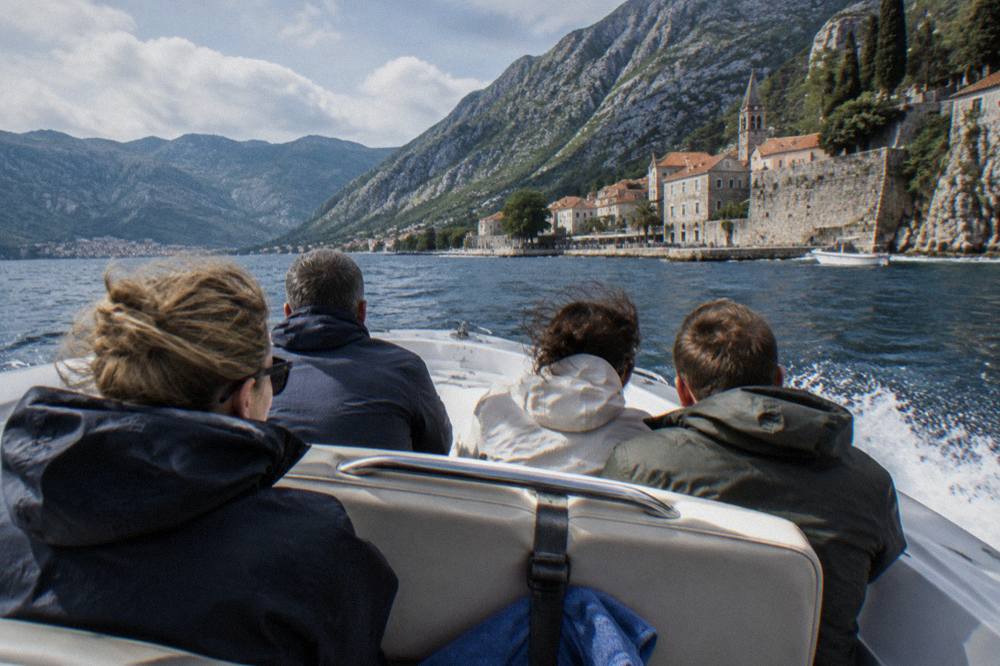
Wear swimwear under your regular clothes, a windproof layer over them, and shoes you can kick off on deck. Speedboats crossing open water in the Bay of Kotor generate real wind chill even in July, the Blue Cave is reached by swimming from an anchored boat, and Our Lady of the Rocks asks for modest dress inside the church, so the winning outfit is layered, quick-drying and easy to shed.
The swim-in rule is the big recent change. Under a navigation safety regulation that took effect in late May 2026, motorboats must stay at least 20 m from the Blue Cave entrance and anchor 10 to 20 m outside; guests swim in with life jackets and kickboards the operators provide. That means you will get wet, deliberately, and then sit on a moving boat afterwards. Synthetic shorts or a swimsuit under a zip-up layer beats cotton, which stays clammy for the rest of the trip.
Wind is the second factor travelers underestimate. The bay's two characteristic winds, the gusty bura from the northeast and the steadier scirocco from the southeast, can blow at any time of year and both kill the felt temperature on an open boat. A packable windshell costs nothing to carry and earns its place on nearly every departure. Sunglasses with a strap, a hat that will not blow off, and reef-safe sunscreen round out the basics.
| Item | Why It Earns Its Place | Notes |
|---|---|---|
| Swimwear worn under clothes | Blue Cave entry is by swimming from anchor | Changing facilities are limited |
| Windproof light jacket | Wind chill on open-water crossings | Bura gusts arrive fast |
| Strap sunglasses and brimmed hat | Sun glare off the water doubles exposure | Hat leash recommended |
| Water shoes or sandals | Wet deck, rocky swim stops | Old sneakers also work |
| Dry bag or plastic pouch | Phone, documents, towel | Small dry bags fit daypacks |
| Euros in small notes | Our Lady of the Rocks church entry runs roughly 2 to 3 euros | Cash or card at the desk |
The featured Kotor departure, the Blue Cave, Submarine Base and Our Lady of the Rocks tour, packs a cave swim, a fortress pass-by and a Perast stop into about three hours, which is exactly the kind of itinerary where layers and a dry bag separate a good morning from a soggy one. For more on sea state and timing, read our companion piece on Blue Cave sea conditions and the best time.
Trips are cancelled for wind and swell, plainly and without apology, so check the listing's cancellation terms before you fly. No operator sells a guarantee of a calm sea or a cave swim, and the honest listings say so.
A note on Our Lady of the Rocks specifically: the church on the island requires modest dress, covered shoulders and knees, and a small entry fee of roughly 2 to 3 euros per person is charged at the on-site desk, separate from your boat fare. If your boat tour stops at Perast, a light scarf or a long, pull-on skirt in the daypack solves the problem without forcing anyone to swelter on the ride over. Our full guide to Our Lady of the Rocks and Perast by boat covers the crossing options in detail.
What Should You Wear Rafting On The Tara River?
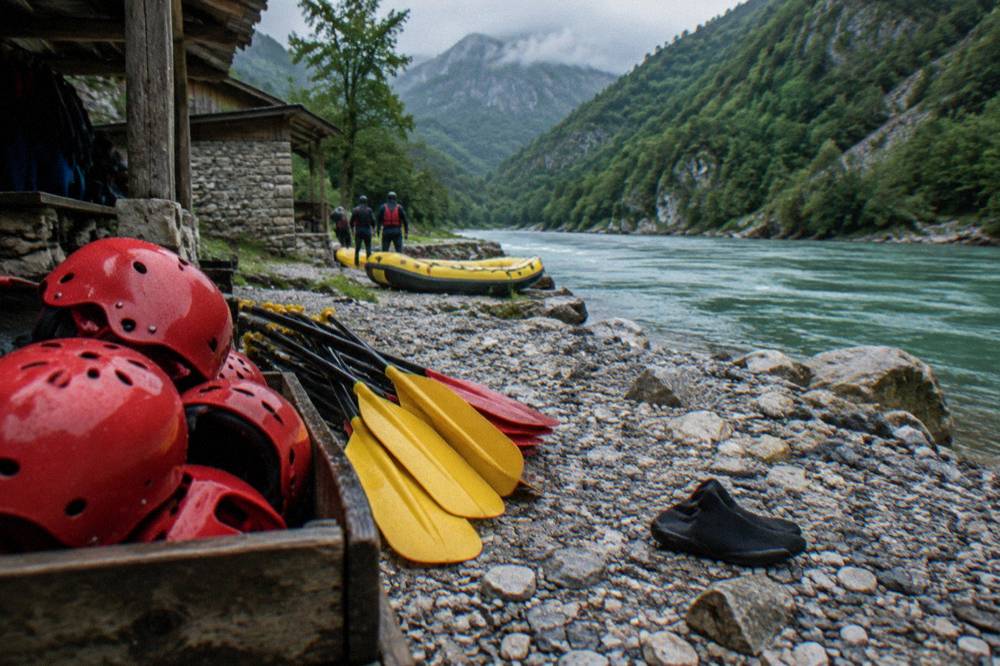
Wear synthetic base layers and bring a change of dry clothes, because Tara rafting runs April to October and you will be wet and splashed for the entire descent. Operators supply neoprene suits and boots, helmets and life jackets; what they do not supply is the warm layer you put on afterwards, which matters most in May and October when meltwater and rain keep the river cold.
The Tara is Montenegro's longest mountain river at 144 km, and its canyon runs 78 km with a maximum depth of 1,333 m between Obzor and Stuoc, deeper than the Colorado's gorge in places. Water conditions swing across the season: May features high, cold snowmelt water where wetsuits are required, while July and August bring lower, slower, warmer water closer to 20 C. What you wear under and over the provided neoprene changes accordingly.
Practical kit list for a rafting day: a synthetic t-shirt and leggings or swim shorts to wear under the wetsuit, a fleece in the van for afterwards, a towel, and a dry set of clothes including socks and shoes, because the ones on the raft will not dry. A cord for glasses is cheap insurance. Avoid cotton entirely; it holds water and turns cold the moment the wind picks up in the canyon.
| Season | Water Character | What To Add Under The Wetsuit | What To Pack For After |
|---|---|---|---|
| April to May | High meltwater, cold, biggest waves | Synthetic base layer, avoid cotton | Fleece, beanie, full dry outfit |
| June | High but warming, strong current | Base layer | Warm layer for the van |
| July to August | Lower, slower, warmer, family-friendly | Swimwear or thin base layer | Dry clothes, towel |
| September to October | Rising autumn levels, quieter | Base layer, extra warmth | Fleece, warm jacket |
On the roster, the Tara rafting trip with park entry from Žabljak runs about 3 hours from $95 per person with a 4.8 rating from 388 reviews, and the canyon trip from Pljevlja runs about 4 hours from $56 per person, rated 4.8 from 138 reviews. Durmitor National Park entry is EUR 5 per person per day, and some listings bundle it, so check what your ticket includes rather than assuming.
For depth on rapids, difficulty and the season window, see our dedicated guide to the Tara River rafting season and difficulty. The National Tourism Organisation's rafting page states the season runs April to October, wildest in April and May during the snowmelt.
What Is The Dress Code For Monasteries Like Ostrog?
Cover your shoulders and knees, wear shoes that grip on smooth stone, and bring a scarf or wrap you can pull on at the entrance. Ostrog Monastery's code requires long trousers or skirts and no sleeveless tops for all visitors, wraps are sometimes available at the Upper Monastery entrance, and the climb from the parking area to the caves is steep and polished underfoot.
Ostrog is the one Montenegro destination where an outfit choice genuinely gates your visit. The monastery is carved into a cliff face high above the Zeta valley, the Upper Monastery is reached by a steep access path from the Lower Monastery parking, and inside, the dress rules are enforced rather than suggested. Shoulders and knees covered, no shorts, no sleeveless tops; head coverings for women are optional, and while wraps are sometimes lent at the entrance, you should not plan on it. Our detailed page on the Ostrog Monastery dress code and visiting rules goes further into hours and access.
Entry to Ostrog itself is free, with voluntary donations customary. The monastery keeps long hours, roughly 06:00 to 17:00 from May to September and an hour earlier in the winter half of the year, and there is no direct public bus, so most visitors arrive by car, taxi or organized tour, which is why footwear matters: the path and steps are worn smooth by generations of pilgrims.
For women, the simplest system is a long skirt or a large scarf worn as a wrap over shorts and a tank top; it converts a hot-weather travel outfit into a compliant one in seconds. For men, light long trousers beat fighting with borrowed cloth. Beyond Ostrog, the same rules apply at every working monastery in the country, including the small churches on Our Lady of the Rocks and in Cetinje.
What To Wear For Mountain And Durmitor Tours?
Dress in genuine layers with a warm jacket and real walking shoes, because Durmitor sits high enough that summer daytime highs average only 21 to 22 C and nights drop sharply year-round. Zabljak, the base town, stands at 1,456 m; even in August its mean daily maximum is 22.1 C, and a tour that starts warm can end in wind and rain on the Sedlo Pass.
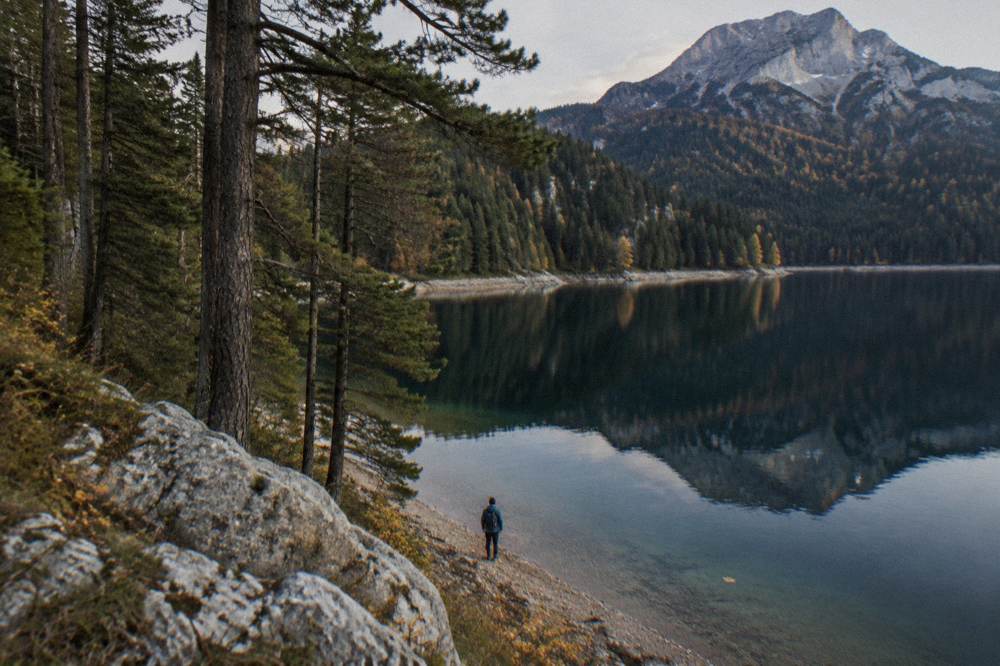
The numbers explain the packing. Zabljak's mean daily maximum never exceeds 22.1 C in any month, and January's average daily minimum is -7.4 C. Compare that with coastal Bar at 30.4 C in August and you have a 40-degree spread inside one small country on one day. A Black Lake walk or a Durmitor Ring jeep tour is not an alpine expedition, but shorts-and-flip-flops is the wrong kit.
For a standard Durmitor day tour from the coast, the reliable formula is a t-shirt, a fleece or insulated mid-layer, a wind and waterproof outer shell, long trousers, and shoes with a treaded sole for the path around Black Lake, which is gentle but can be muddy. A hat and light gloves are worth pocket space outside deep summer. Sunscreen matters more than people expect at altitude, and the bright limestone bounces glare upward.
| Tour Type | Core Clothing | Footwear | Extras |
|---|---|---|---|
| Black Lake walk | Layers, fleece, shell | Walking shoes | Picnic, water |
| Durmitor Ring jeep tour | Windproof jacket, warm layer | Any closed shoe | Camera, sunglasses |
| Zip line at Tara Bridge | Fitted layers, no loose scarves | Trainers with grip | Nothing in pockets |
| Cave visit (Lipa Cave) | Standard day clothes, light jacket | Shoes with grip, cool inside | Thin long sleeve |
The Black Lake, Tara Canyon day trip from Podgorica runs about 11 hours from $277 per person, rated 4.9 from 43 reviews, a small pool but a consistently strong one, and it includes pickup per the listing. Lipa Cave near Cetinje, at $19 per person and 4.8 from 384 reviews, is a different micro-climate: the cave holds a steady cool temperature, so a light layer is enough. On the roster, the Tara Bridge zip line from Žabljak costs from $62 per person, rated 4.5 from 133 reviews.
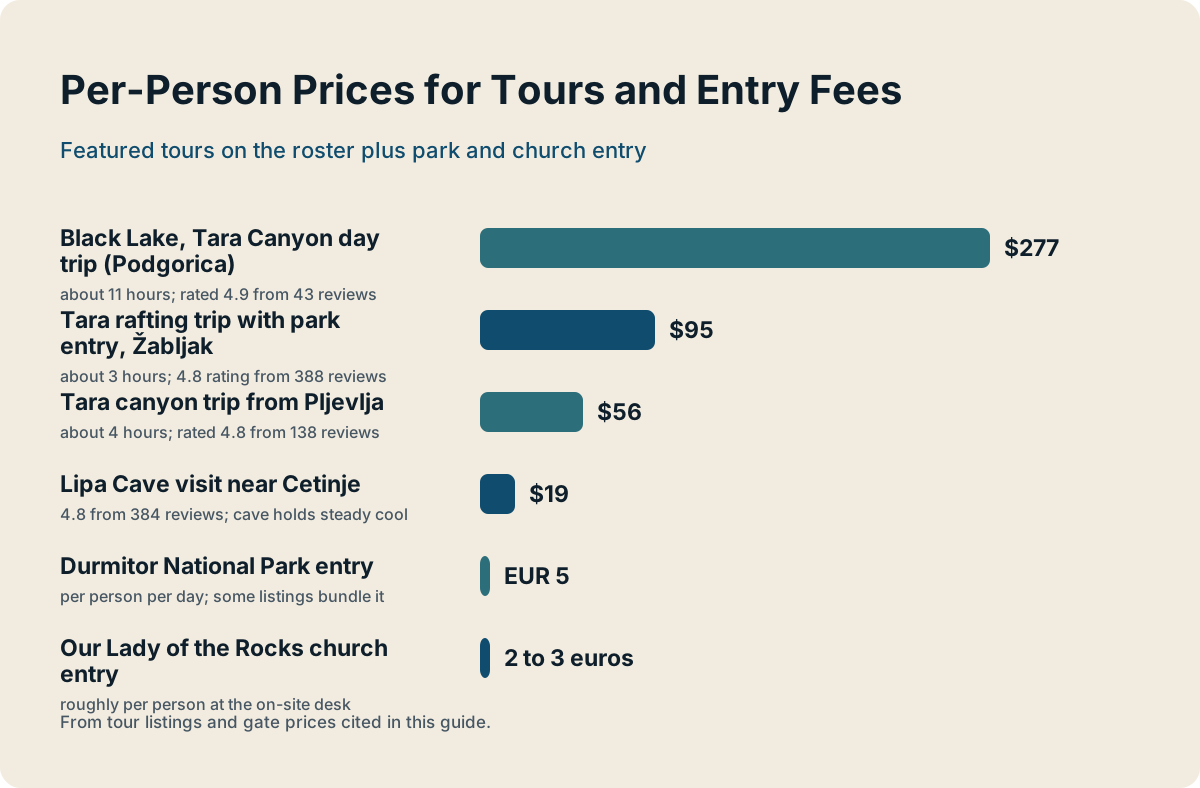
Park entry at Durmitor is EUR 5 per person per day and the annual all-parks ticket is EUR 13.50 per person per year across all five national parks, per the official national parks price list. Cash in euros at the gate is still the safe assumption.
What Should Every Montenegro Daypack Contain?
Pack water, sunscreen, a light rain layer, euros in cash and a charged phone, whatever the tour. Montenegro uses the euro without being in the EU, several entry fees and small sites are paid in cash, summer drought periods push fire and heat risk up, and mountain weather turns without notice, so these five items belong on a monastery morning as firmly as on a boat.
Water first. Summer heat on the coast is real, with Podgorica averaging 33.9 C daily highs in July, and tour days involve more standing and walking than most people plan for. Sunscreen second, and not only for boat days; the Mediterranean light is strong from April onwards. A packable rain shell third, because afternoon convection builds over the mountains even on clear mornings, and the same bura that chills a boat deck can arrive on a ridge with no warning.
Cash in euros fourth. The walls fee in Kotor is EUR 15 per visitor and is paid at the gate, park entries run EUR 3 to 5, church entries a couple of euros. Cards are widely accepted in towns but not at every booth and kiosk. Fifth, a charged phone with an offline map, because tour meeting points in old towns are a maze of identical stone lanes.
A few small additions earn their keep: earplugs if you are a light sleeper, motion-sickness tablets for swell if you are prone, a book for the long transfer legs, and a spare battery pack. Modest travelers pack a scarf for monastery stops, and swimmers pack a towel; there is overlap between those two travelers on most itineraries.
What Footwear Works Across Montenegro's Terrain?
Bring one pair of grippy closed shoes and one pair of sandals or slip-ons, and you are covered. Old town cobbles are polished and slick when wet, monastery steps are worn smooth, boat decks run wet after swim stops, and lake paths turn muddy, so flip-flops alone will let you down somewhere, while heavy boots are overkill on every standard tour on this site.
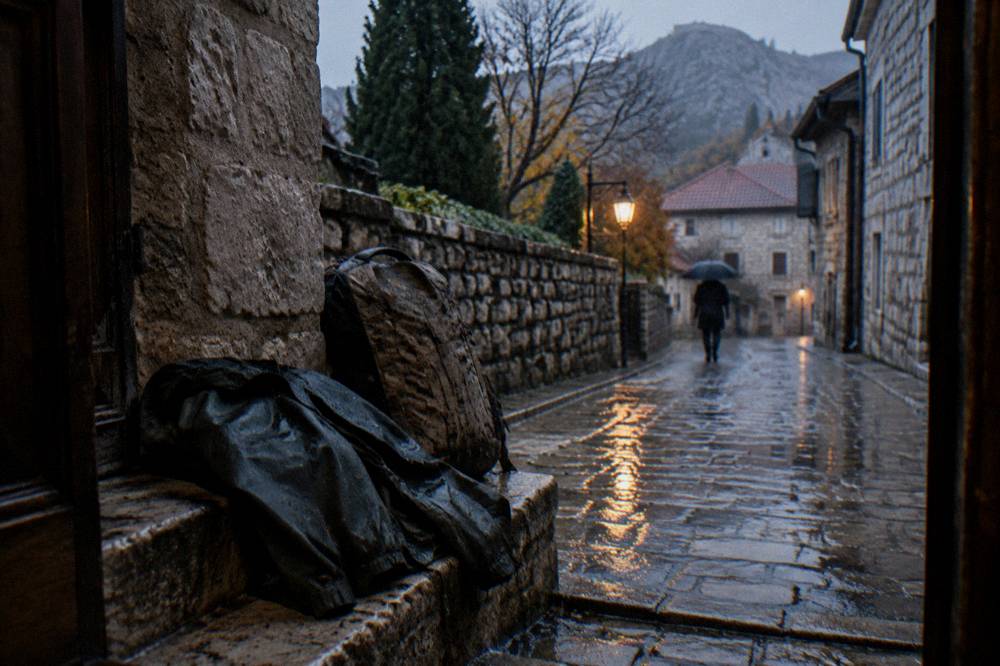
Kotor's old town lanes are marble-smooth from centuries of feet, and they are treacherous in rain. The path around Black Lake is soft dirt and can be muddy after weather. The Ladder of Kotor and fortress routes are stony and steep. None of these need mountaineering boots; all of them punish smooth soles. A trainer or light trail shoe with real tread is the single most useful item in the suitcase.
Sandals earn their place on boat days and beach afternoons, but choose a pair with a heel strap if you plan to wear them onto a speedboat, where you will remove them for swim stops and need them to stay put on deck. Water shoes are the third option for travelers whose itinerary is mostly water: they handle wet decks, rocky cove entries and the swim-in to the Blue Cave in one item.
| Shoe | Best For | Weakness |
|---|---|---|
| Light trail trainer | Old towns, Black Lake, monastery paths | Gets wet, dries slowly |
| Strap sandal | Boat days, Perast, beaches, evenings | Poor on slick cobbles |
| Water shoe | Blue Cave swims, cove stops, kayak tours | Ugly, but honest |
| Full hiking boot | Only the Ladder of Kotor or long hikes | Heavy, hot, unnecessary on listed tours |
Kayak tours are the case where footwear thinking changes again. The Blue Cave kayak and snorkel adventure from Kotor, from $136 per person and 4.7 from 96 reviews, includes pickup per the listing and involves wet launch landings, so either water shoes or sandals you do not mind submerging are the right call, and a strap hat that survives a paddle stroke.
How Do Season And Wind Change What You Pack?
Pack for the month and the wind, not the postcard. Summer on the coast is hot and dry, with drought periods longer than 50 days recorded in recent seasons, while spring and autumn bring the bura and scirocco winds that cancel boat trips, and winter puts Zabljak under genuine cold, so the same tour needs a different bag in May than in August.
The two named winds do real work. The bura, a gusty northeast wind, is stronger and more frequent outside summer and often blows for one to three days after a front, hitting hardest at night and early morning inside the bay. The scirocco, a steadier southeast wind, brings swell and reduced visibility, more often in spring and autumn, and can also persist for days. Boat operators cancel for both, honestly and correctly; check the listing's terms so you know your refund position before you book.
Rain is seasonal and predictable. Bar averages fewer than three rain days at 1 mm or more in July and August, against roughly ten per month from October through January. That means summer packing is about heat, sun and water, while April, May, October and November packing is about layers, a real rain shell and shoes with grip. Our month-by-month breakdown in Montenegro weather by month goes deeper if you are choosing travel dates around it.
Rafting follows its own calendar, April to October with the wildest water in April and May per the national tourism organisation, and its official rafting page is the primary source for that window. Ski season at Kolasin and Zabljak runs roughly mid-December to early April, dependent on snow, which matters only if your winter trip mixes the coast with the mountains, and then it matters a lot.
Can You Reuse One Packing List For A Mixed Itinerary?
Yes, if the list is built around quick-dry layers, one warm mid-layer, one waterproof shell, two kinds of shoes and a modesty scarf, it covers boat, rafting, monastery and mountain days in a single bag. The trick is that Montenegro's four tour types differ in emphasis, not in kind: every one of them wants synthetic fabrics, sun protection, cash euros and something warm in reserve.
Build the capsule in this order and nothing is wasted. Two or three synthetic t-shirts, one long-sleeve base layer, one fleece, one packable wind and rain shell, swimwear, one pair of long trousers that pass the monastery test, shorts, and the shoe pair from the previous section. Add swimwear-specific extras only if a boat or kayak day is booked, and the wetsuit comes from the rafting operator, not your bag.
The layering logic travels between tours unchanged. The same fleece under the same shell that keeps you warm at 1,456 m in Zabljak is what you put on over swimwear for the fast run back across the bay, and the same scarf that covers shoulders at Ostrog shades your neck on the Black Lake path. This is why the answer to what to wear in Montenegro is almost never more clothing, it is the right clothing worn in the right order.
| Bag Item | Boat Day | Rafting Day | Monastery Day | Mountain Day |
|---|---|---|---|---|
| Synthetic t-shirt | Yes | Under wetsuit | Yes | Base layer |
| Fleece | Evenings | After the run | Rarely | Always |
| Wind and rain shell | Yes | In the van | Always | |
| Swimwear | Worn under | Worn under | No | No |
| Modesty scarf | Perast stop | No | Yes | No |
| Euros in cash | Church entry | Park entry | Donation | EUR 5 park entry |
Booking order helps too. Travelers who book the water days first, then the mountain day, then the monastery visit, tend to pack once and correctly, because the water days teach them what damp really feels like here. On Montenegro Tours the roster runs from $19 cave visits to multi-day country circuits, so the bag should follow the booked list, not the guidebook's.
One last organizational note: carry the day's cash, phone and one warm layer in a small daypack and leave the suitcase in accommodation. Every tour on the roster involves a stretch of walking on stone, and the lighter the bag, the better the day.
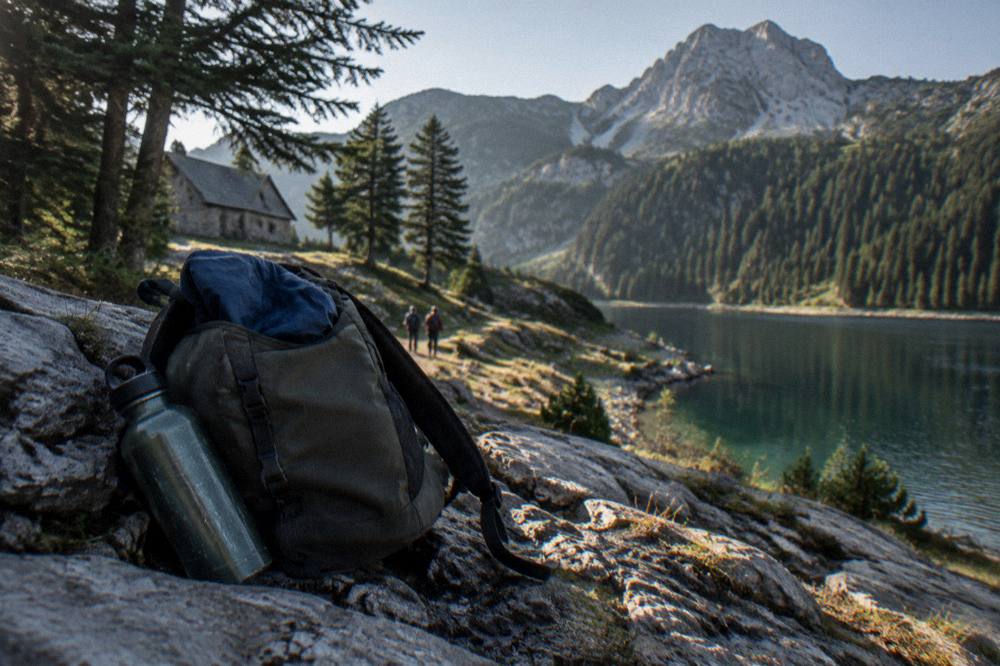
Whether you are booked on a three-hour bay run or a thirteen-hour Durmitor crossing, the same core kit serves, and free-cancellation listings mean you can adjust dates if the bura arrives instead of arguing with the sea.
Common Questions About What To Wear On Tours In Montenegro
Do I need a wetsuit for Tara rafting?
Operators provide neoprene suits, boots, helmets and life jackets as part of the trip. In May, when snowmelt water runs cold, you wear a synthetic base layer underneath; in July and August the water is closer to 20 C and a thin layer or swimwear under the suit is enough.
Can I wear shorts to Ostrog Monastery?
No. The dress code requires shoulders and knees covered for all visitors, with long trousers or skirts and no sleeveless tops. Wraps are sometimes available at the Upper Monastery entrance but should not be relied on; carry a scarf or a long pull-on skirt.
What shoes are best for Kotor old town?
Anything with grip. The lanes are polished stone and slick in rain, so trainers or light trail shoes beat smooth soles and flip-flops. Bring sandals separately for boat days and beaches.
Do boat tours provide towels?
Do not assume it. Since the 2026 regulation, Blue Cave visits involve swimming from an anchored boat, so pack your own quick-dry towel in a dry bag along with a change of top.
Is a jacket needed in summer?
Yes, for two reasons: wind chill on open speedboat crossings in the bay, and mountain evenings at Zabljak, where summer daytime highs average only 21 to 22 C. A packable windshell weighs almost nothing and covers both.
Should I carry euros in cash on tours?
Yes. Park entries run EUR 3 to 5 per person, the Kotor walls fee is EUR 15, church entries a couple of euros, and many booths and small sites expect cash. Montenegro uses the euro but is outside the EU.