Montenegro Or Croatia
Two neighbouring coasts, one shared border, very different rhythms. Here is how the Bay of Kotor and the Dalmatian coast actually compare, and why many travellers end up doing both in a single trip from Dubrovnik.
Short answer
Croatia offers longer coastlines, bigger resort towns and famous walled cities like Dubrovnik; Montenegro packs a fjord-like bay, mountains that rise straight from the water and lower tour prices, with speedboat trips from $40 per person versus $56 and up for Dubrovnik-based Montenegro day trips. Many visitors combine both on one day trip across the border.
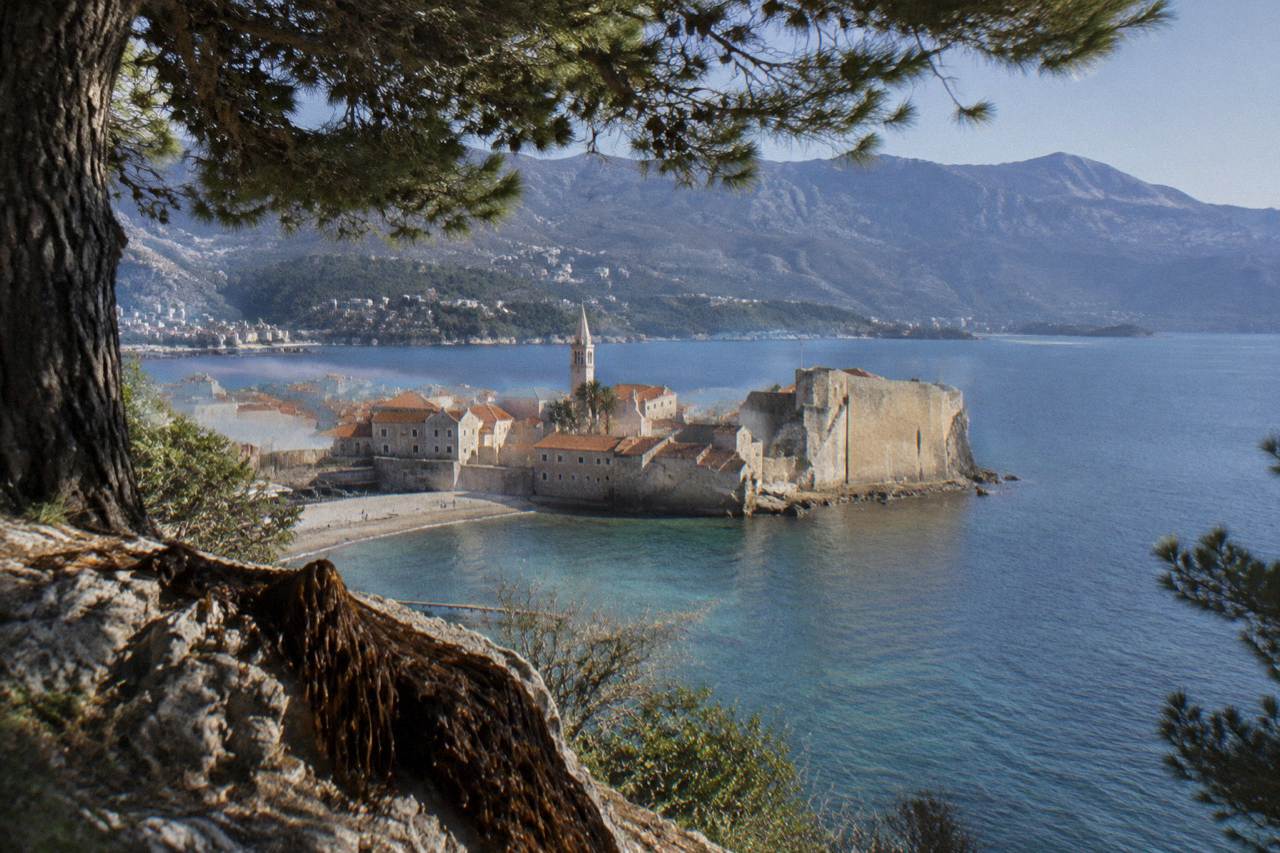
Montenegro and Croatia share a border, a stretch of Adriatic shoreline and a great deal of history, yet they feel like different trips. Croatia has spent two decades building one of Europe's most polished tourism machines, anchored by Dubrovnik, Split and a string of islands. Montenegro is smaller, steeper and rougher at the edges, with the Bay of Kotor doing the work that Dubrovnik's walls do on the Croatian side: delivering the single image people remember.
This comparison comes from the listings, official fee schedules and visitor data on this site, not from a generic impression of "the Adriatic". Where a figure matters, it comes from a tour listing or a verified official source. Where something genuinely cannot be compared with a real number, it says so. The Bay of Kotor's speedboat tours and the Dubrovnik day trips into Montenegro are the one place the two countries literally meet on the same itinerary, so the article ends there, at the decision most readers actually face.
How Do The Bay Of Kotor And The Dalmatian Coast Compare?
The Bay of Kotor is a drowned river canyon with mountains rising almost vertically from the water, while the Dalmatian coast is a longer, more open shoreline of islands, pebble beaches and larger historic cities. Montenegro compresses dramatic scenery into a short drive; Croatia spreads famous names across hundreds of kilometres. Neither is "better", they simply optimise for different trips.
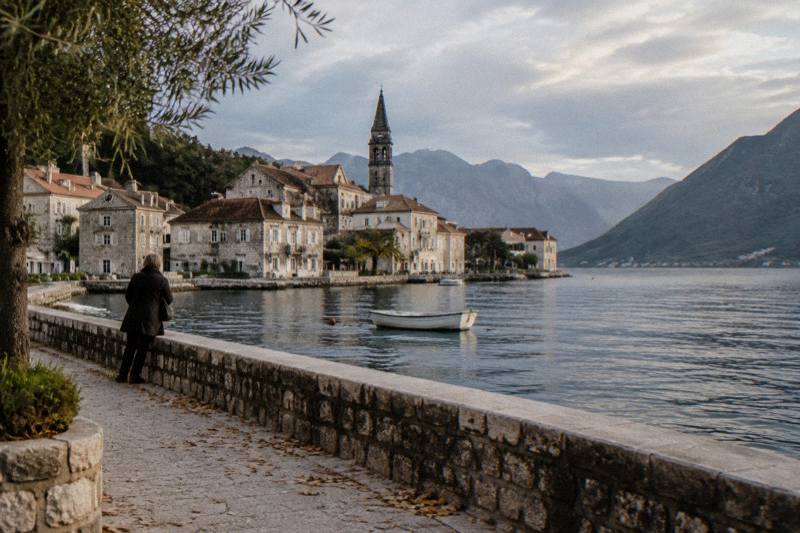
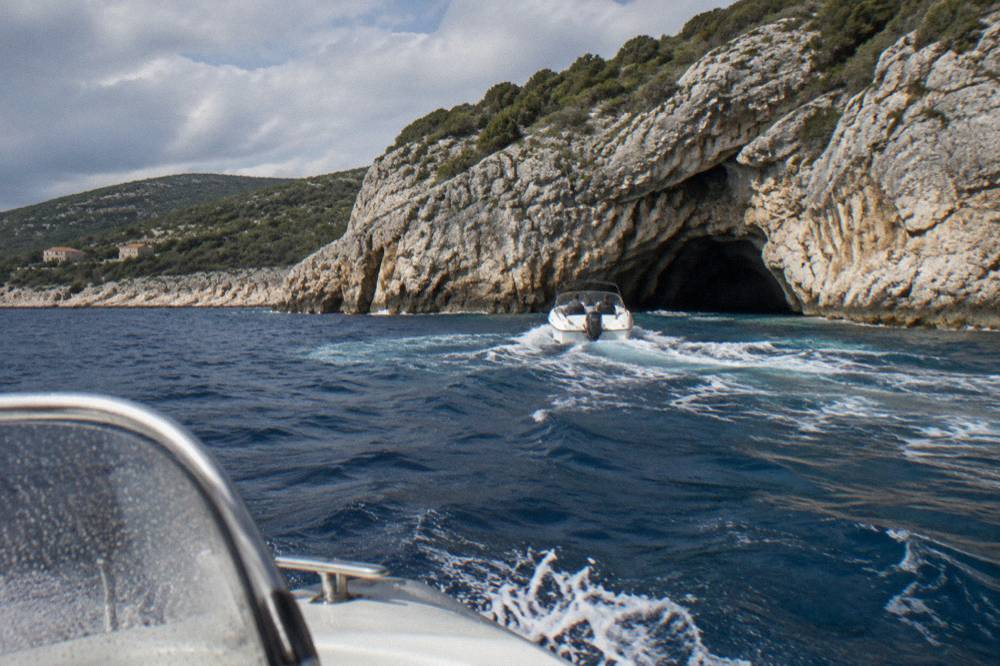
The Bay of Kotor is the compressed version of everything people imagine about the Adriatic. The bay is a deep inlet ringed by high peaks, with Perast, Kotor and Our Lady of the Rocks stacked along its shore inside roughly an hour's drive. A traveller can swim near the Blue Cave, pass a former submarine base and stand inside a walled medieval town in one three-hour boat trip, which is why the Blue Cave swim, Lady of the Rocks and submarine tunnels trip is the single biggest product category's flagship on this site. That trip runs about 3 to 3.5 hours from $40 per person, with a rating of 4.7 across 4,903 reviews, and that is a normal price point, not a discount.
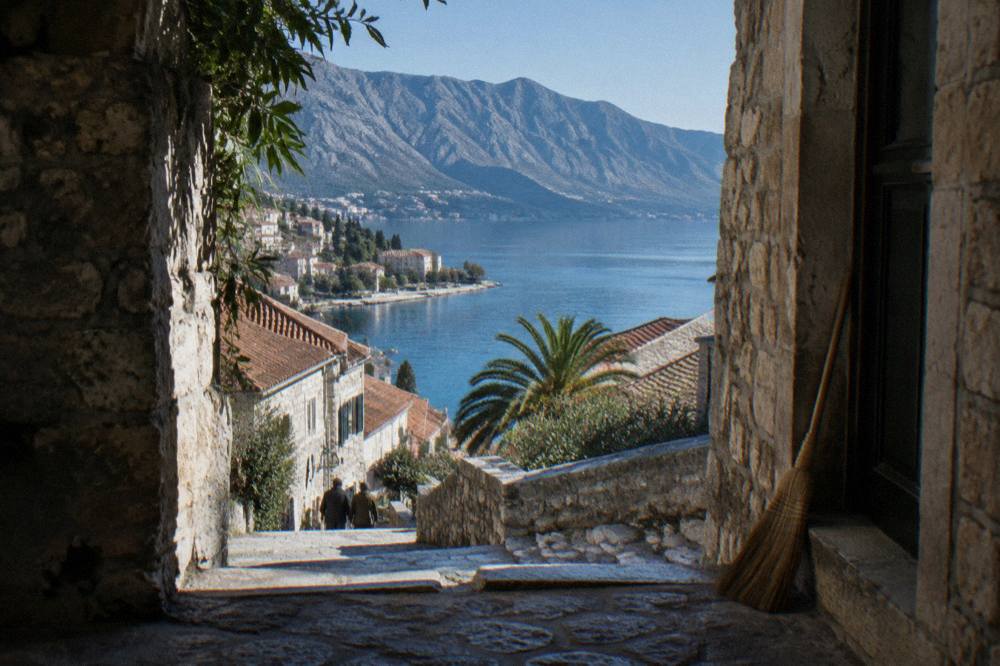
Dalmatia plays a longer game. Dubrovnik alone matches Kotor for walls and drama, and Split, Hvar, Korcula and Zadar extend the trip outward. Croatia's coast is built for slow movement: island hopping, week-long sailing routes, ferry timetables. Montenegro's coast is built for intensity: the country is small enough that Skadar Lake, Lovcen, Durmitor and the coast all sit within day-trip range of one base. That density, more than any single sight, is the argument for the Montenegrin side, and it is the reason the Montenegro itinerary question resolves so differently from Croatia's.
The honest summary: Croatia rewards a week or two and rewards planning. Montenegro rewards three or four days and rewards spontaneity. Travellers who try to do Montenegro at Croatian resort pace usually leave feeling they underused it, because the distances that eat a day in Dalmatia take twenty minutes on the bay's roads.
Which Is Cheaper, Montenegro Or Croatia?
On the tour side, Montenegro is measurably cheaper: three-hour Blue Cave speedboat trips start at $38 to $45 per person from Kotor, while the cheapest listed day trips from Dubrovnik into Montenegro start at $56 per person, and those include a border crossing. On official fees, both countries use the euro, with Montenegro's national park entry at EUR 3 to 5 and Kotor's walls at EUR 15, comparable to Croatian city-wall pricing.
Croatia adopted the euro, so there is no currency arithmetic between the two. The price differences that matter are in tours, accommodation and food, and the tour comparison is the one place this site can put hard numbers behind, because every figure below comes from a live listing.
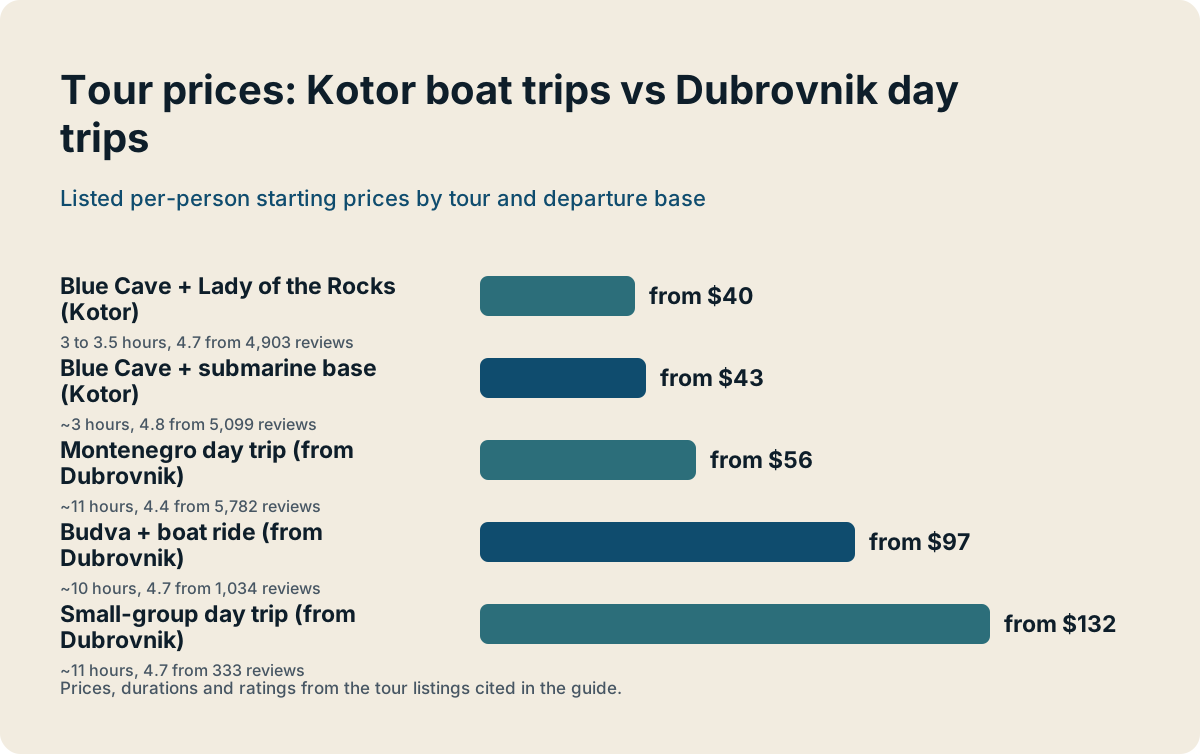
| Tour (both from the live listings) | Duration | Price | Rating |
|---|---|---|---|
| Blue Cave Swim, Lady of the Rocks, submarine tunnels (from Kotor) | 3 to 3.5 hours | from $40 per person | 4.7 from 4,903 reviews |
| Blue Cave, Submarine Base, 3 hours (from Kotor) | ~3 hours | from $43 per person | 4.8 from 5,099 reviews |
| Montenegro day trip from Dubrovnik | ~11 hours | from $56 per person | 4.4 from 5,782 reviews |
| Budva and boat ride day trip from Dubrovnik | ~10 hours | from $97 per person | 4.7 from 1,034 reviews |
| Small-group day trip from Dubrovnik, optional boat | ~11 hours | from $132 per person | 4.7 from 333 reviews |
The pattern is clear once the table is side by side: boat trips priced inside Montenegro undercut almost anything sold from a Croatian base, and the premium on the Dubrovnik day trips buys transport, the border crossing and guiding, not a better boat. Official fees tilt the same way. Kotor's City Walls cost EUR 15 per visitor since March 2025, with Montenegrin residents exempt, while national park entry across Montenegro runs from EUR 3 at Lovcen to EUR 5 at Durmitor and Skadar Lake, and an annual pass covering all five parks costs EUR 13.50, per the official national parks price list. For context on how the rest of a Montenegro budget behaves, the trip cost guide breaks down what a week realistically runs.
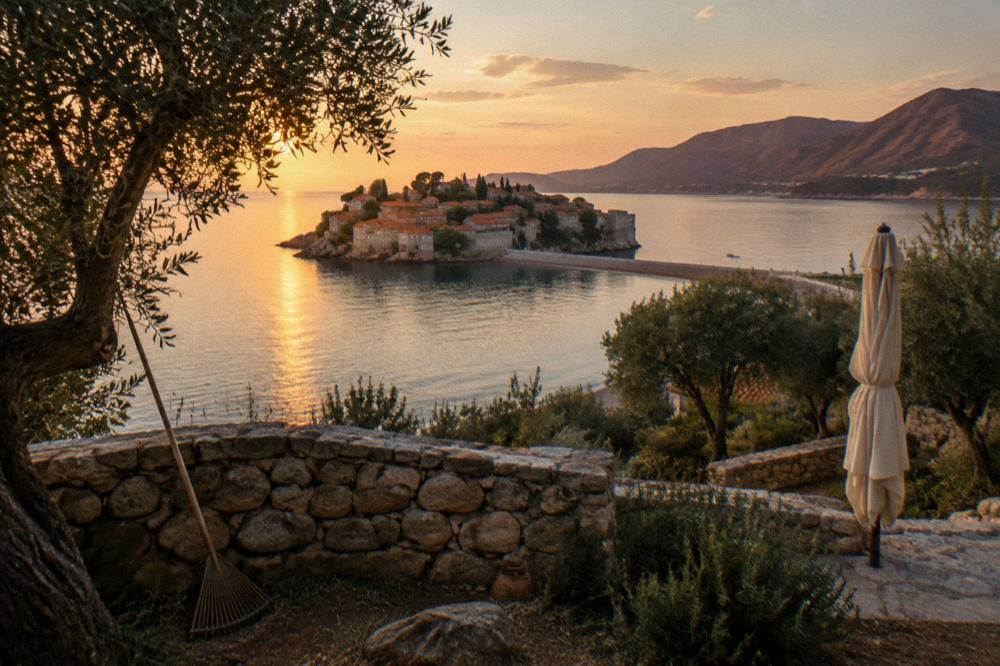
Food and lodging are harder to compare with published figures, and this site does not print numbers it cannot source. The safe generalisation, consistent across guest reviews and operator descriptions, is that Montenegro's mid-range stays and tavern meals run noticeably below equivalent Dubrovnik or Hvar prices in peak summer, while the top end in both countries converges. Sveti Stefan, Montenegro's most famous luxury property, sits on its own islet near Budva under Aman management, and the comparison with Croatia's island-resort scene there is essentially a coin flip.
Crowds And Cruise Ships: Which Country Feels Busier?
Croatia feels busier, and by a wide margin in peak summer. Kotor's cruise traffic approached 500,000 passengers in the first eight months of 2026, which sounds heavy until it is compared with Dubrovnik, where cruise and land-based visitors combine to squeeze a single street plan through two gates for months on end. Montenegro's crowds are concentrated; Croatia's are sustained.
The numbers on the Montenegrin side are documented. None of that has been implemented. Between May and September 2026, at least three ships sat simultaneously in the bay on 78 days. The practical consequence is simple and covered in detail in the Kotor cruise port guide: mornings between roughly 10:00 and 16:00 are busy when ships are in, and the Old Town empties noticeably after tenders stop running.
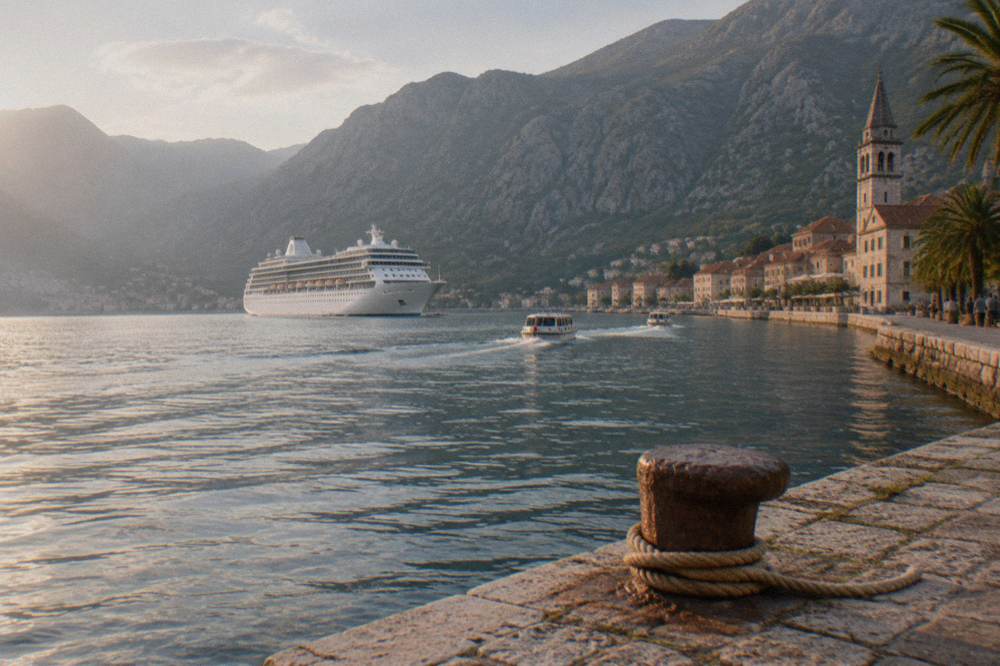
Dubrovnik's situation is of a different order. Its Old Town is smaller than Kotor's visitor flow would suggest is manageable in high summer, and Croatia has spent years experimenting with caps on cruise passengers specifically because the crowding became the destination's main complaint. Montenegro has the same debate, but it is at an earlier stage, and crucially Montenegro's crowds dissolve within a short drive. Ten minutes uphill from Kotor the villages are quiet; the equivalent escape from Split or Dubrovnik takes an hour or a ferry.
| Crowds and access factor | Montenegro (Bay of Kotor) | Croatia (Dalmatian coast) |
|---|---|---|
| Cruise passengers, first 8 months of 2026 | Approaching 500,000 at Kotor | No verified figure published here for Dubrovnik |
| Days with 3+ simultaneous ships, May to Sept 2026 | 78 days | No verified figure published here |
| Escape time from the busiest core | Minutes by road into the surrounding hills | Roughly an hour or a ferry crossing to clear Dubrovnik or Split |
| Management response | UNESCO-linked calls for limits, none implemented | Experimented with cruise passenger caps |
The border is part of the crowd story for anyone combining the two. Since 10 April 2026 the EU's Entry/Exit System has been fully operational at Croatian external borders, so non-EU travellers crossing back from Montenegro into Croatia register biometrically rather than collecting passport stamps, as the EU's official explanation for Western Balkans travellers sets out. Actual queue times vary enormously and are not something this site will guess at; the border crossing guide covers what is verified.
Beaches: Pebbles, Sand Or Rocks?
Both countries are overwhelmingly pebble-and-rock coastlines rather than sand beaches, and neither should be sold as a sandy destination. Croatia has more long developed beach towns; Montenegro has a handful of dramatic and famous ones, including Sveti Stefan's islet and the Budva riviera, plus wilder coves reachable mainly by boat. Water clarity is a tie.
The Adriatic on both sides is clear, pebbly and drops off quickly. In Montenegro, the Budva riviera carries the beach-holiday weight: Mogren and Jaz near Budva town, with sunbed sets running from around EUR 10 to 20 in peak season and free towel sections limited but present, and Sveti Stefan as the postcard. The Aman-managed islet itself has no general public day access; visits are by the resort's organised tours, and under the 2026 settlement a portion of the Svetostefanska beach stays free of furniture for all visitors, with Queen's Beach remaining private for guests. The full picture, including what that means for a day trip, is in the Sveti Stefan and Budva riviera guide.
Croatia's beach inventory is simply larger. Zlatni Rat on Brac, the beaches around Hvar, and the long shingle stretches of Makarska give Dalmatia a spread of options Montenegro cannot match on volume. Where Montenegro competes is on access by water: caves, tunnels and coves that sit a kayak or speedboat ride from town, like the coastal caves reachable from Budva on a 3-hour paddle or kayak tour at 4.8 from 835 reviews, from $50 per person. For swimmers wondering about the bay itself, the question of whether you can swim in the Bay of Kotor has its own answer, and it is generally yes, with seasonal caveats.
The tiebreaker is not the sand, it is the backdrop. A Montenegrin beach with the Lovcen massif behind it and a baroque pilgrimage islet in front competes with anything on the Croatian side, but Croatia wins on quantity and infrastructure, and honest trip planning should concede that.
Food, Wine And Old Towns: Which Side Delivers More Character?
Croatia's old towns are grander and more numerous, but Montenegro's are cheaper to eat and drink in, and its mountain-and-lake interior produces food experiences, from Njegusi smoked ham to lake-fish lunches at Skadar, that Dalmatia's coastal repertoire does not really offer. Kotor's walled core is genuinely the rival of any Dalmatian old town; Cetinje and Perast are smaller but quieter rewards.
On old towns alone, the Croatian list is longer: Dubrovnik, Split, Trogir, Sibenik, Korcula. Montenegro's answer is Kotor, which is smaller than Dubrovnik but dramatically sited and mercifully walkable in a couple of hours, plus Perast's single baroque waterfront street and Cetinje's faded royal capital. The honest verdict most travellers reach is that Dubrovnik is the greater single monument and Kotor is the greater setting; the mountains do a lot of that work.
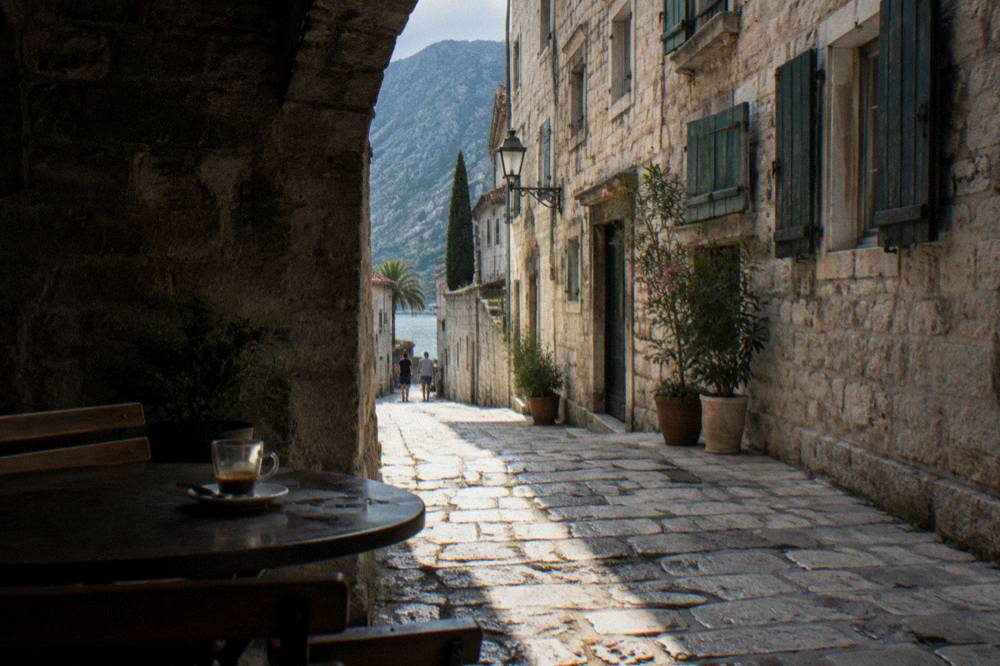
Food tilts toward Montenegro on price and interior variety. The bay and the coast share Dalmatia's grilled fish and ham-and-cheese tradition, but Montenegro adds the northern mountains: Njegusi prosciutto on the Lovcen road, trout and lamb around Durmitor, and the Crmnica wine valley beside Skadar Lake, where family wineries pour the local vranac. The guided side of that is bookable, from a Kotor food tour carrying a 4.9 rating from 60 reviews at $160 per person to a private home wine and food tasting at 5 from 51 reviews, from $183 per person. Croatia's Konavle valley and Peljesac peninsula play the same role for Dubrovnik, and at generally higher prices in season.
Do You Even Have To Choose? The Dubrovnik To Montenegro Day Trip
For most Dubrovnik-based travellers, no, because the two countries fit together in a single day: listed day trips from Dubrovnik into Montenegro run 10 to 12 hours from $56 to $132 per person, crossing the border by bus to reach Perast, Kotor and the bay. The trip works best as a taster that tells you whether to come back.
This is where the comparison stops being academic. The standard day trip leaves Dubrovnik in the morning, crosses at Debeli Brijeg, follows the fjord-like approach past Herceg Novi to Perast and Kotor, and returns by evening, usually with a boat component on the bay. The base version, the 11-hour Montenegro day trip from Dubrovnik, runs from $56 per person with a 4.4 rating from 5,782 reviews, one of the largest review pools on this site. Whether that long day is worth it has its own honest treatment in is a day trip to Montenegro from Dubrovnik worth it, and the answer is mostly yes for first-timers, with caveats about time on the bus.
A step up adds the coast east of the bay. The Perast, Kotor and Budva tour with a boat ride runs about 10 hours from $97 per person, rated 4.7 from 1,034 reviews, with pickup in Dubrovnik per the listing, and it bundles the bay's two signature stops with Budva's old town and the Sveti Stefan viewpoint. Small-group versions with an optional boat ride run from $132 per person at 4.7 from 333 reviews. The practical detail that matters more than any itinerary choice: the border crossing each way, especially in the August peak, is the part of the day nobody controls, and organised coaches generally clear it faster than rental cars. Travellers set on driving it themselves should read renting a car in Montenegro first, since cross-border permission and a Green Card are required.
The day trip is also a decent testing instrument. Travellers who spend eleven hours and come home planning a return trip to Kotor have answered the "which country" question for themselves. Travellers who come home relieved to be back on a Croatian terrace have answered it too, more cheaply than a fortnight split between both.
Which Tours Are Worth Booking On Each Side Of The Border?
On the Montenegrin side, the listings cluster around three experiences: bay speedboat trips from $33 to $57 per person, private boats from $342 per group for up to eight, and national-park day trips inland from $79 to $120 per person. From Dubrovnik, the same bay is reachable only through the guided day trips already priced above, which is the strongest practical argument for basing in Montenegro if the bay is the priority.
The comparison below uses only this site's listings, all prices firm from the live listings, and it shows the structural difference: Montenegro's best-value products are short, intense and water-based; Croatia-based products touching Montenegro are long, guided and priced around the drive.
| Experience | From | Duration | Price basis |
|---|---|---|---|
| 2-hour speedboat to Perast and Lady of the Rocks | Kotor | ~2 hours | from $33 per person |
| Blue Cave, Mamula and Perast stops | Kotor | ~3 hours | from $44 per person |
| Private boat, up to 9 guests | Kotor | ~3 hours | from $389 per group |
| Wooden boat tour on Skadar Lake | Virpazar | ~2 hours | from $25 per person |
| Durmitor, Tara and Ostrog day trip | Kotor | ~13 hours | from $120 per person |
| Montenegro day trip from Dubrovnik | Dubrovnik | ~11 hours | from $56 per person |
Read that table as a decision tool rather than a price list. If two of those Montenegro-based rows appeal, basing in Kotor or Budva beats day-tripping in from Dubrovnik on both cost and depth. If only the bay itself draws you, one well-chosen day trip delivers it. Travellers unsure whether to spread a trip across both coastlines can start with the best day trips from Kotor and see how quickly Montenegro's interior, not Croatia, becomes the competing claim on their days.
Quality on the Montenegrin side is not a gamble at the top of the market either: the shore speedboat excursion to the Blue Cave and Lady of the Rocks holds 4.9 from 287 reviews at from $51 per person, and the four-hour Blue Cave and Perast combination runs 4.9 from 343 reviews at from $51 per person. Ratings that consistent across hundreds of reviews are a reasonable proxy for what the day will feel like, which is why this site prints the review count beside every rating.
When To Go: Does The Season Favour One Country?
Both countries share the same Mediterranean season, busy from June to August and best in May, June, September and early October, but Montenegro's mountains shorten its inland season: Tara rafting runs roughly May to October on snowmelt and rain, and Durmitor's high country is a summer destination. Croatia's coast is the safer bet for a warm beach week in either shoulder month.
The climate records support a thin Croatian edge in spring and autumn on the coast. Bar, the southern Montenegrin coastal reference point, averages a daily maximum of 23.0 C in October against cooling faster as you climb; Podgorica is hotter than any Croatian coastal city in July and August, averaging 33.9 C and 34.5 C, and Zabljak at Durmitor averages just 12.8 C in October with a January minimum of minus 7.4 C. In plain terms: Montenegro in peak summer is hotter inland and equally pleasant on the water, but its mountain half closes for business earlier than anything in Croatia. The full monthly breakdown, including what it means for tour availability, is in Montenegro weather by month.
Rafting is the clearest seasonal marker. The Tara's commercial season runs about May to October, wildest in April and May with snowmelt, according to the national tourism organisation's rafting page, with the river running 144 km and the canyon dropping 1,333 m at its deepest. Croatia has no equivalent inland adventure at this scale within day range of the coast. If white water is on the list, that alone bends the itinerary toward Montenegro between late spring and early autumn.
So Which Should You Choose, Montenegro Or Croatia?
Choose Croatia for a longer, island-based trip with polished infrastructure, famous cities and dependable beach weather into October. Choose Montenegro for a shorter, denser trip built around one extraordinary bay, high mountains and lower tour prices, from $33 speedboat rides to $25 lake boats. If you are already booked into Dubrovnik, choose neither exclusively and take the day trip across.
The choice genuinely depends on trip length more than on taste. A week or more, flying in and out of Split or Dubrovnik, is Croatia's format and Croatia wins it on supply. Three to five days, or a second trip after Croatia has been done, is Montenegro's format and nothing in Dalmatia matches its scenery-per-hour. Budget tilts Montenegrin on every figure this site can verify, from boat trips to park fees. Crowds tilt Montenegrin too, with the important caveat that Kotor's own summer mornings are cruise-ship busy and increasingly debated at UNESCO level.
The reader this article is really written for, though, is standing in Dubrovnik with a spare day. For that reader the question is not comparative, it is logistical, and Montenegro Tours exists mostly for that reader: the 11-hour day trip from $56 per person, the 10-hour Budva and boat-ride version from $97, or the small-group variant from $132. Any of the three answers the question this article poses, at the price of one long day, and roughly half of the people who take one come back and book the bay on its own terms. That pattern, more than any table above, is the real verdict on Montenegro versus Croatia.
Common Questions About Montenegro Versus Croatia
Is Montenegro cheaper than Croatia?
On everything this site can verify, yes. Three-hour bay speedboat tours from Kotor start at $38 to $45 per person, against Dubrovnik-based Montenegro day trips from $56 per person. Montenegro's national park entry runs EUR 3 to 5 per day and Kotor's walls cost EUR 15. Accommodation and restaurant prices generally sit below equivalent Croatian peak-season rates, though no verified figure for those is published here.
Which has better beaches, Montenegro or Croatia?
Croatia has more of them and more developed beach resorts. Montenegro's Budva riviera, including Mogren and Jaz, plus boat-only coves, competes on setting rather than quantity. Neither is a sandy destination; both coasts are mainly pebble and rock with very clear water.
Can you visit Montenegro from Dubrovnik in one day?
Yes. Listed day trips run 10 to 12 hours, from $56 to $132 per person, crossing the border by coach to Perast, Kotor and often Budva. The border crossing each way is the least predictable part of the day, so organised tours are the usual recommendation over a rental car.
Is Kotor as good as Dubrovnik?
They are different products. Dubrovnik is the larger and grander single monument; Kotor is the more dramatic setting, with mountains rising directly behind the walls and a walkable core you can cover in a couple of hours. Kotor is also less crowded outside cruise-ship hours and noticeably cheaper to eat in.
Do you need a different currency in each country?
No. Both countries use the euro. Croatia adopted it as an EU member; Montenegro uses it unilaterally, though it is outside the EU and Schengen, which is why the border exists and why the EU's biometric Entry/Exit System applies on the Croatian side for non-EU visitors.
Is Montenegro or Croatia better in October?
Croatia is the safer beach bet late in the season, since its coast holds warmth and its tourist infrastructure runs longer. Montenegro's coast stays pleasant but its mountain half, including Durmitor and the Tara rafting season, winds down by mid-October. For a mixed scenery trip, go in May or June or September rather than October.