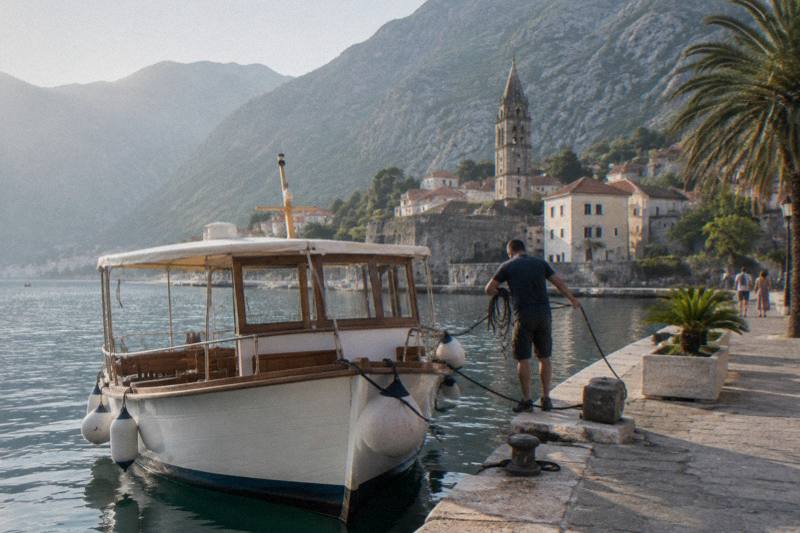
Things To Do In Montenegro
Montenegro packs a fjord-like bay, a lake the size of a small sea, Europe's deepest river canyon and a monastery glued to a cliff into one compact country. Here is what to do in each region, and which tour serves it.
Short answer
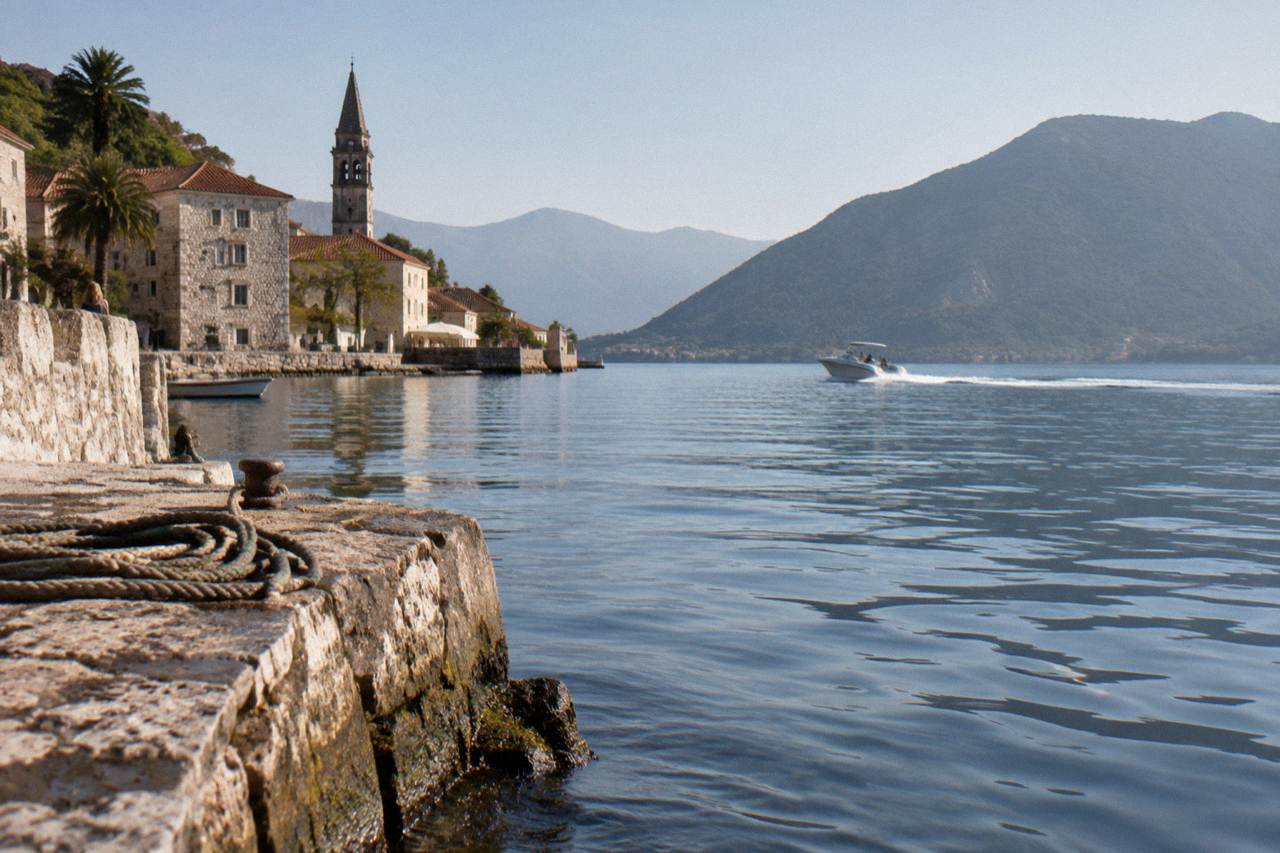
The best things to do in Montenegro are a Bay of Kotor speedboat trip to the Blue Cave and Our Lady of the Rocks (from $43 per person), a wooden boat tour on Skadar Lake (from $25), rafting the Tara Canyon (from $56), and the Lovcen and Ostrog monastery day trips. Choose by region: most first-time visitors book a bay boat tour first.
Montenegro is a small country, yet inside it sit five national parks, a 78 km canyon river, a swimmable cave on the open Adriatic side of the Bay of Kotor, and a coast that switches from Venetian stone towns to resort beaches within an hour's drive. Planning a trip here is less a question of finding things to do and more a question of cutting the list down. This guide walks the country region by region, pairs each region with the bookable tour that serves it, and finishes with a simple order of operations for a first visit.
The structure of the country does most of the work for you. The Bay of Kotor sits in the west, Skadar Lake and the old royal capital Cetinje hold the centre-south, Durmitor and the Tara Canyon claim the north, and the Budva Riviera runs along the coast between them. Ostrog Monastery sits on a cliff in the centre of the country, reachable as a stop on northern day trips. A visitor based in Kotor or Budva can reach every one of these regions on a day trip, which is why tour choice matters more than hotel choice on a short stay.
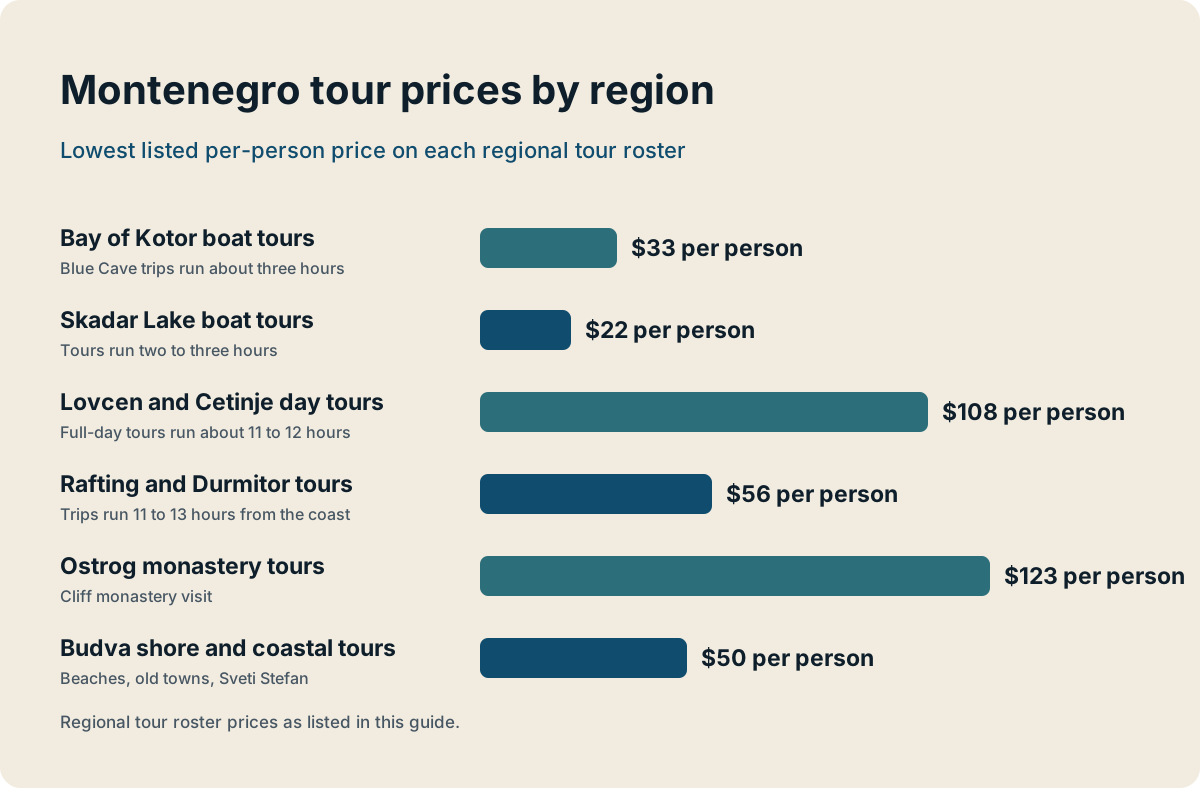
For a quick orientation, the table below maps each region to its headline activity, the tour category that serves it and the typical starting price on this site's roster.
| Region | Headline activity | Tour category | Roster prices from |
|---|---|---|---|
| Bay of Kotor | Blue Cave speedboat trip | Boat tours | $33 per person |
| Skadar Lake | Wooden boat tour, wine valley | Lake boat tours | $22 per person |
| Lovcen and Cetinje | Mausoleum, serpentine road, museums | Lovcen day tours | $108 per person |
| Durmitor and Tara | Rafting, Black Lake, canyon viewpoints | Rafting and Durmitor tours | $56 per person |
| Ostrog | Cliff monastery visit | Monastery tours | $123 per person |
| Budva coast | Beaches, old towns, Sveti Stefan | Shore and coastal tours | $50 per person |
What Are The Best Things To Do In Montenegro Overall?
The best things to do in Montenegro, ranked by how first-time visitors actually book them, are a Bay of Kotor speedboat tour to the Blue Cave and Our Lady of the Rocks, a boat trip on Skadar Lake, white-water rafting in the Tara Canyon, a Lovcen and Cetinje mountain day trip, and a visit to Ostrog Monastery. Each sits in a different region, so a five-to-seven-day stay can cover all of them without repeating ground.
Two patterns shape every itinerary decision. First, the bay dominates: the roster's most-reviewed products by a wide margin are Kotor speedboat tours, with the leading listing carrying a 4.8 rating from 5,099 reviews. Second, the north rewards commitment: Durmitor and Tara trips run 11 to 13 hours from the coast, so they suit a one-big-day approach rather than casual sampling. Readers weighing that trade-off in depth will find the group-versus-private comparison in choosing a Montenegro tour format useful.
Season matters more than in most Mediterranean countries. The bay boat season and the Tara rafting season both run roughly April to October; the Kotor to Lovcen cable car runs weather-dependent spring to autumn; and the Njegos Mausoleum closes from mid-November to mid-April. A spring or autumn trip trades warm sea swimming for empty old towns and cheaper rooms, a balance covered in detail in the best time to visit Montenegro.
What Should You Do In The Bay Of Kotor?
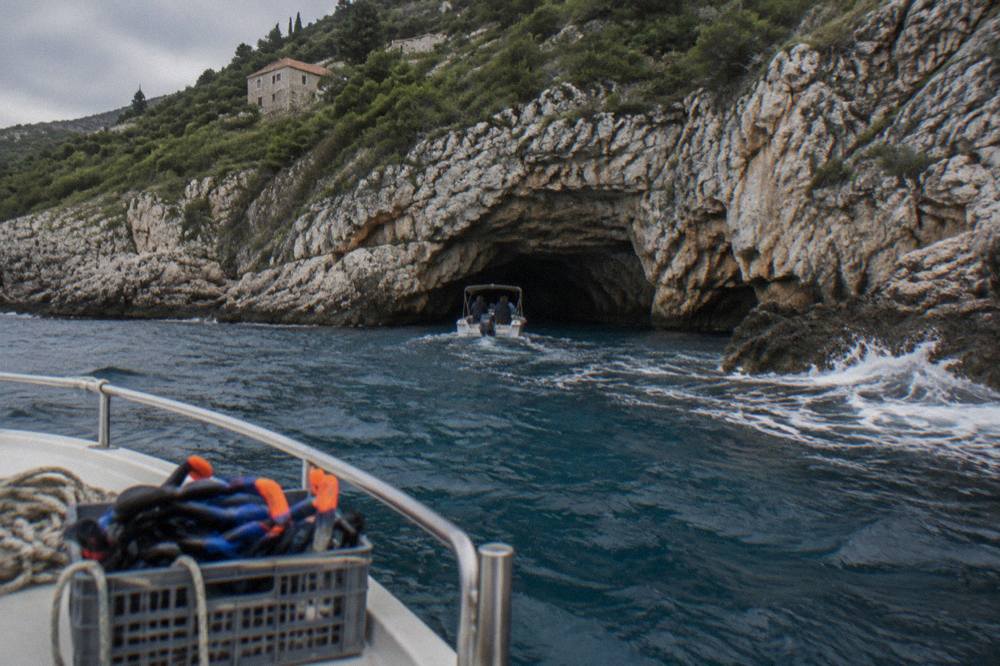
The essential Bay of Kotor experience is a half-day speedboat tour from Kotor Old Town that combines the Blue Cave swim stop, the island church of Our Lady of the Rocks at Perast, a pass by Mamula Island and the Cold War submarine tunnels. These trips run about three hours, cost from $38 to $57 per person, and account for the most-booked tours in the country.
The bay is a drowned river canyon, and its geography makes boats the natural way to see it. Roads hug the shore for hours; a speedboat crosses the same water in minutes. Every operator follows a similar loop out of Kotor: past Perast and its two islands, through the Verige Strait, along the Lustica peninsula to the Blue Cave on the seaward side, and back. Since a navigation rule published in 2026, motorboats no longer enter the Blue Cave itself; they anchor 10 to 20 metres outside and guests swim in, with operators providing life jackets and kickboards. Sea state decides whether the swim stop happens at all, and trips are cancelled for wind, so check the listing's terms before booking.
The flagship version on this roster is the Blue Cave, Submarine Base and Lady of the Rocks tour from Aquaholic Speedboat Tours, a roughly three-hour trip rated 4.8 from 5,099 reviews and priced from $43 per person. For a slightly longer cave swim and the same island stops, the Blue Cave Swim tour from Montenegro Submarine and Speed Boat Tours runs 3 to 3.5 hours, holds a 4.7 from 4,903 reviews and starts at $40 per person.
Beyond the boats, the bay rewards two slower experiences. Kotor Old Town itself, a UNESCO-listed tangle of squares and churches, can be walked in about an hour with a guide (the 1-hour Old Town Walk costs from $29 per person), and the City Walls climb above it charges EUR 15 for non-residents, a fee in place since March 2025. The details of both, plus the Perast ferry-and-bus alternative to boat tours, are covered in the things to do in Kotor guide.
| Bay of Kotor tour | Duration | Rating | Price from |
|---|---|---|---|
| Blue Cave, Submarine Base, 3 Hours | ~3 hours | 4.8 from 5,099 reviews | $43 per person |
| Blue Cave Swim, 3.5 Hours | ~3.5 hours | 4.7 from 4,903 reviews | $40 per person |
| 2-Hour Speedboat to Perast | ~2 hours | 4.7 from 1,129 reviews | $33 per person |
| Private Boat, Up to 9 Guests | ~3 hours | 4.9 from 221 reviews | $389 per group |
Is Skadar Lake Worth A Day Of Your Trip?
Skadar Lake is worth a day, and it is the best value region in the country: guided wooden boat tours from the village of Virpazar cost from $22 to $36 per person, run two to three hours, and cross open water, reed channels, fortress ruins and, on longer routes, the Kom Monastery. The lake is the largest in the Balkans, shared with Albania, and its birdlife includes the Dalmatian pelican.
Skadar works as a contrast to the bay. Where Kotor is stone and drama, Skadar is water, wine and wetland. The park entry fee is EUR 5 per adult, payable separately in cash at most points, and an annual ticket covering all five Montenegrin national parks costs EUR 13.50, worth knowing if Durmitor or Lovcen is also on your list. The standard two-hour Kingfisher wooden boat tour from Virpazar holds a 4.8 rating from 1,887 reviews at $25 per person, and the same operator's three-hour Kom Monastery route is $36.
The lake also anchors a genuine food region. The Crmnica valley around Virpazar and Godinje is Montenegro's core wine country, and several day trips pair the boat ride with a family tasting. Visitors with a full day to spend can take the 13-hour Skadar and Biograd day trip from Kotor, $119 per person, which combines the lake with Biogradska Gora national park. How to reach the lake independently, by car, bus or tour, is laid out in visiting Skadar Lake from the coast.
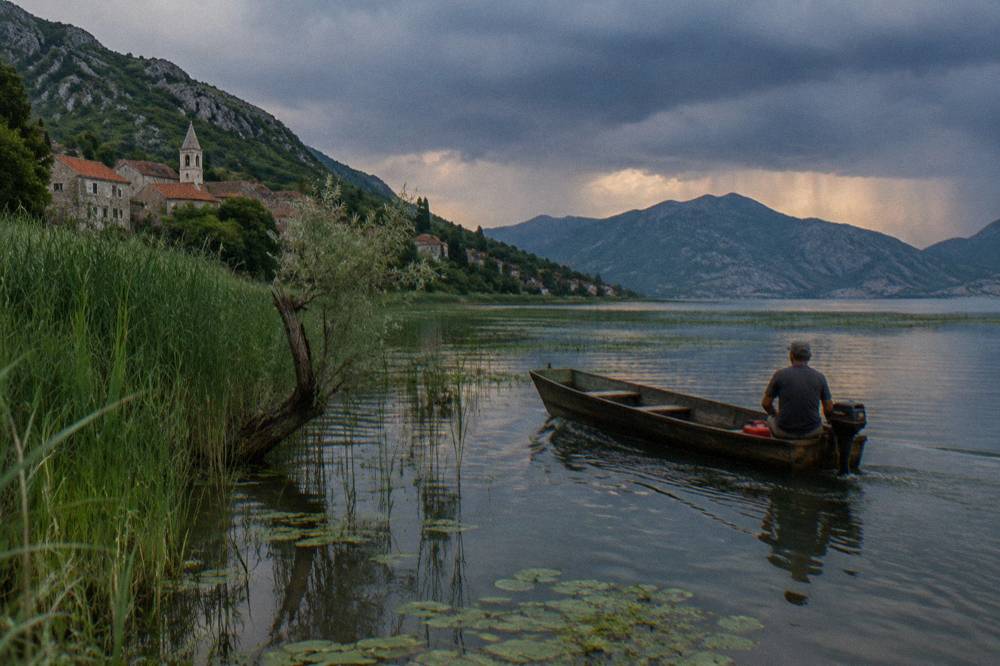
Swimming in the lake is allowed, though pelican colonies are protected: boats must stay at least 300 metres away and the disturbance fine is 200 euros. A fishing ban runs from 15 March to 1 June each year, which is why the lake's famous ukljeva fish disappears from festival tables in spring.
What Do Lovcen And Cetinje Offer Beyond The Coast?
Lovcen and Cetinje offer Montenegro's mountain-and-history day: the snake-road drive from Kotor up the serpentine, the Njegos Mausoleum at the top of the mountain reached by a final climb on foot, the museums of the old royal capital, and the smoked ham and cheese of Njegusi village. Full-day tours from Kotor run about 11 to 12 hours and cost from $108 to $194 per person.
This is the region that explains Montenegro to itself. Lovcen is the mountain of the Petrovic dynasty; its mausoleum is the country's most symbolic viewpoint, looking down on both the bay and, on clear days, Skadar Lake toward Albania. Practical rules matter here: Lovcen National Park entry is EUR 3 per adult, the mausoleum adds EUR 8 for adults, and the mausoleum itself opens daily 9:00 to 18:00 from 11 April to 15 November, closing for winter. A collective ticket covering all National Museum of Montenegro units including the mausoleum costs EUR 20, per the museum's official visit page.
The drive is half the experience. The Kotor serpentine operates seasonal one-way windows from late May to mid-October: uphill traffic passes in the morning, downhill in the late afternoon. The alternative is the Kotor to Lovcen cable car, whose post-season adult return ticket was priced at 20 euros from 1 October 2026, weather permitting; that trade-off, plus the fortress hike comparison, is covered in Kotor fortress, Ladder or cable car.
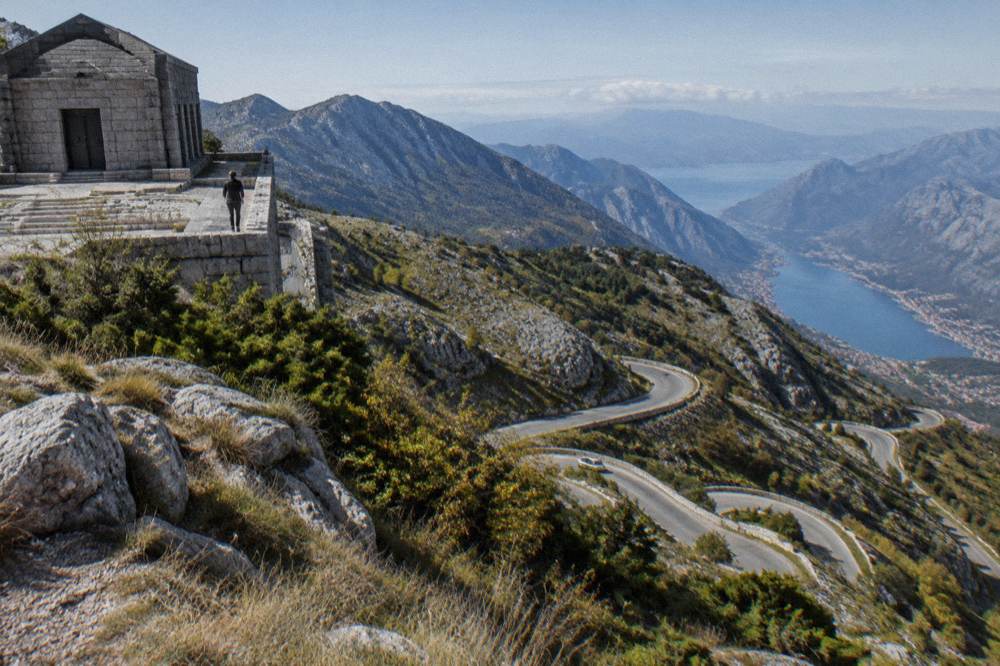
The strongest roster tour for this region is the Great Montenegro tour from 360Monte, an 11-hour trip rated 4.9 from 686 reviews at $108 per person, with pickup included per the listing. Gray Line Montenegro runs a 12-hour Lovcen full-day version at $109, rated 4.9 from 1,204 reviews. Both combine Lovcen, Cetinje, Njegusi and a Bay of Kotor viewpoint; the difference is mostly group size and pickup logistics. Lipa Cave near Cetinje, a one-hour guided cave visit with a small train ride, costs from $19 and splits a museum-heavy day nicely.
How Do You Experience Durmitor And The Tara Canyon?
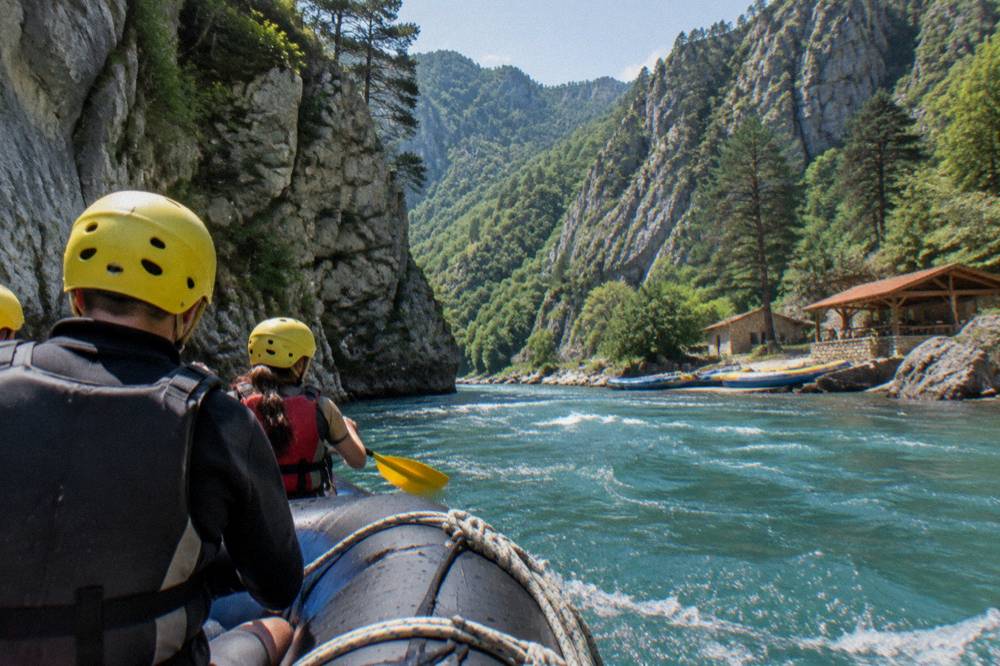
Durmitor and the Tara Canyon are the north: white-water rafting on a 144 km river through a canyon 78 km long and up to 1,333 metres deep, the Black Lake circuit at Zabljak, the Djurdjevica Tara Bridge, and jeep safaris over the Durmitor Ring. Day trips from the coast run 11 to 13 hours; rafting-only tours from Zabljak run 3 to 7 hours and cost from $56 to $202 per person.
The Tara is the headline. The national tourism organisation's own page gives the river's length at 144 km, the canyon at 78 km and its greatest depth at 1,333 metres, and notes the rafting season runs April to October, wildest during the spring snowmelt. May and June deliver the biggest water; July and August are gentler and warmer; September and October see levels rise again with the first rains. On this roster, the Rafting with Park Entry tour from Zabljak, three hours, is rated 4.8 from 388 reviews at $95 per person, and the Tara Canyon Rafting trip from Pljevlja is $56. Durmitor National Park entry is EUR 5 per person per day, children under 15 free, per the official park price list.
Zabljak, the highest town in the region, is the base, and the Durmitor Ring is an 80-plus kilometre loop road best done by jeep tour or a careful self-drive. The Djurdjevica Tara Bridge is free to visit and carries its own zipline, $62 per person on the roster's bridge zip line tour, rated 4.5 from 133 reviews. For coast-based visitors who want the whole package in one push, the Durmitor, Tara and Ostrog day trip from Gray Line Montenegro runs 13 hours at $120 per person, rated 4.7 from 2,645 reviews; planning that long day is covered in Durmitor and Tara from the coast.
| Northern experience | Duration | Rating | Price from |
|---|---|---|---|
| Tara Canyon Rafting | ~4 hours | 4.8 from 138 reviews | $56 per person |
| Rafting with Park Entry | ~3 hours | 4.8 from 388 reviews | $95 per person |
| Black Lake, Tara Canyon from Podgorica | ~11 hours | 4.9 from 43 reviews | $277 per person |
| Durmitor Jeep Safari from Zabljak | ~4.5 hours | 4.6 from 20 reviews | $112 per person |
The review-count column matters here: the jeep safari's 4.6 comes from a pool of 20 reviews, a small sample worth reading before booking. The rafting listings, by contrast, sit on hundreds of reviews each.
Why Do People Visit Ostrog Monastery?
People visit Ostrog Monastery because it is a white cliff-face monastery built into a vertical rock high above central Montenegro, the country's most important pilgrimage site, free to enter and open year-round from roughly 05:00 to 17:00 depending on season. Modest dress is mandatory: shoulders and knees covered, no shorts or sleeveless tops, for all visitors.
Ostrog sits between the coast and the north, which makes it a natural stop on Durmitor day trips rather than a destination on its own from Kotor or Budva. The Upper Monastery, the part carved into the cliff, is reached by a steep path or access road from the Lower Monastery parking area, and parking at the lower site is free. Entry itself is free, with voluntary donations customary, and simple pilgrim accommodation in the konak runs on a donation or low-fee basis of around 5 euros for those who want to stay overnight.
From Podgorica, a dedicated Ostrog tour with pickup runs four hours at $136 per person, rated 4.9 from 37 reviews, a small pool but a consistent one. The Ostrog and Zeta Nature Park day trip, seven hours from Podgorica, is rated 5.0 from 27 reviews at $123. The full visiting rules, dress code included, are laid out in the Ostrog Monastery visiting guide.
What Does The Budva Coast Add To The Trip?
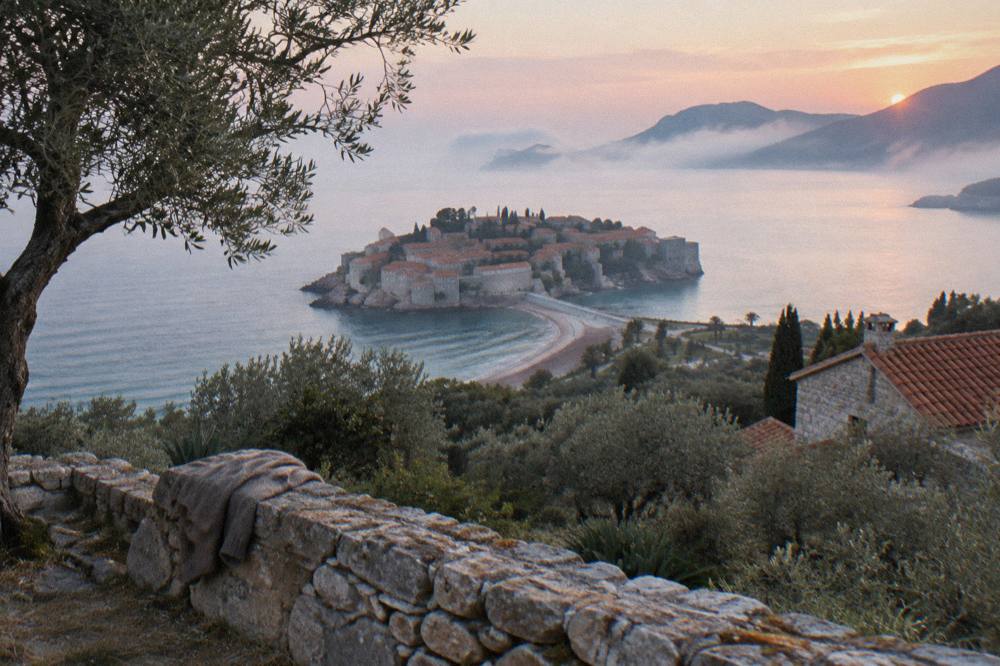
The Budva coast adds beaches, resort energy and two postcard sights: Sveti Stefan, the fortified islet now run as an Aman resort, and Budva Old Town, free to enter at any time with a Citadel that charges admission. Kayak and paddleboard tours to the coastal caves run three hours from $50 per person, and the shore excursion covering Budva and Sveti Stefan runs three hours from $78.
Budva is the busiest stretch of the coast, and it earns that reputation with genuinely swimmable beaches and a compact old town ringed by walls. Sveti Stefan remains the image everyone photographs: the island is an exclusive resort with no general day access, though organised guided historical tours of the island run twice daily at 25 euros per person under the 2026 arrangement, with bridge access regulated for safety. Beach pricing along the riviera is worth knowing before you go: sunbed-and-umbrella sets on Jaz start at 10 euros, and central Budva beaches run 10 to 20 euros in peak season.
The active option here is the water. The Paddle Board or Kayak tour to the coastal caves from Budva, three hours, is rated 4.8 from 835 reviews at $50 per person, and the same route with EDDY's smaller-group kayak version holds a 4.9 from 248 reviews at $51. Scuba diving with a focus on underwater tunnels, also from Budva, is $79 from a 4.7 across 260 reviews. The full Budva and Sveti Stefan picture, including the Aman access rules, is in Sveti Stefan and the Budva Riviera.
Which Region Should You Book First?
Book the Bay of Kotor speedboat tour first, because it sells out earliest in peak season, departs steps from where cruise and hotel visitors already are, and delivers the country's signature sights in three hours. Book the north second: Durmitor and Tara trips demand a full day and are best locked in once you know your weather window. Skadar is the most flexible booking, with small boats departing Virpazar all day.
That order also matches how the money splits. A two-activity short break built around the bay boat tour plus the Skadar wooden boat runs under $70 per person in tour costs, while adding a northern rafting day or a Great Montenegro day roughly doubles it. The table below shows one sensible booking sequence for a week-long first visit.
| Booking order | Experience | Time needed | Roster price from |
|---|---|---|---|
| 1 | Bay of Kotor speedboat, Blue Cave | Half day | $33 per person |
| 2 | Kotor Old Town walk and walls | Half day | $29 per person plus EUR 15 walls fee |
| 3 | Skadar Lake wooden boat | Half day to full day | $22 per person plus EUR 5 park entry |
| 4 | Great Montenegro, Lovcen and Cetinje | Full day | $108 per person |
| 5 | Tara rafting or Durmitor day trip | Full day to overnight | $56 per person |
| 6 | Budva caves kayak or Sveti Stefan | Half day | $50 per person |
Two cautions apply to every booking. Wind cancels boats: the bura and scirocco are recurring Adriatic patterns, stronger outside summer, and reputable operators cancel rather than fight the swell, so read the cancellation terms on the live listing before paying. And nothing on the water is guaranteed: dolphins appear in the bay often enough to have their own guide article, but no tour sells a sighting, and the Blue Cave swim itself depends on the sea state on the day.
Common Questions About Things To Do In Montenegro
What are the best things to do in Montenegro?
A Bay of Kotor speedboat trip to the Blue Cave and Our Lady of the Rocks, a wooden boat tour on Skadar Lake, rafting the Tara Canyon, a Lovcen and Cetinje day trip and a visit to Ostrog Monastery. Together they cover bay, lake, canyon, mountain and monastery, the country's five signature landscapes.
Can you see all of Montenegro's regions on day trips?
Yes, from a base in Kotor or Budva every region listed here is reachable on a day trip of 2 to 13 hours. Durmitor and Tara are the longest commitment at 11 to 13 hours round trip; Skadar and the bay are half-day trips.
What is the cheapest region to visit on a tour?
Skadar Lake, with group wooden boat tours from $22 to $36 per person plus the EUR 5 park entry. Bay of Kotor speedboat tours are close behind, from $33 per person.
Which national park entry fees apply?
Official daily entry is EUR 5 at Durmitor and Skadar Lake, EUR 4 at Biogradska Gora and EUR 3 at Lovcen and Prokletije, with children under 15 free. An annual ticket covering all five parks costs EUR 13.50.
Is the north of Montenegro worth the long drive?
If you have the day, yes. The Tara Canyon is 78 km long with depths to 1,333 metres, and the rafting is the country's most distinctive active experience. Travelers short on time get much of the same scenery from the Durmitor, Tara and Ostrog 13-hour day trip at $120 per person.
Do Montenegro tours get cancelled for weather?
Boat tours do. The bura and scirocco winds are recurring patterns in the Bay of Kotor, and operators cancel Blue Cave trips when the swell makes the swim stop unsafe. Check the cancellation terms on the operator's live listing before booking.
Planning a trip across these regions is the core of what Montenegro Tours covers, with a dedicated guide for each area linked above, from the best day trips from Kotor to the blue cave conditions that decide your swim. Start with the bay, keep one mountain day in reserve, and let the weather make the final call.