Black Lake And Zabljak: A Practical Guide To Durmitor's Easiest Day Out
Black Lake is the single most accessible sight in Durmitor National Park, a short walk from the town of Zabljak, and it anchors almost every northern Montenegro itinerary. This guide covers the fees, the loop walk, the weather by month, and whether a tour beats driving yourself.
Short answer
Black Lake sits about 1,456 m above sea level, a 15 to 20 minute walk from Zabljak, inside Durmitor National Park. Entry costs EUR 5 per person per day, children under 15 free, and an annual all-parks pass costs EUR 13.50. Zabljak is the practical base: tours from the coast run from $79 per person.
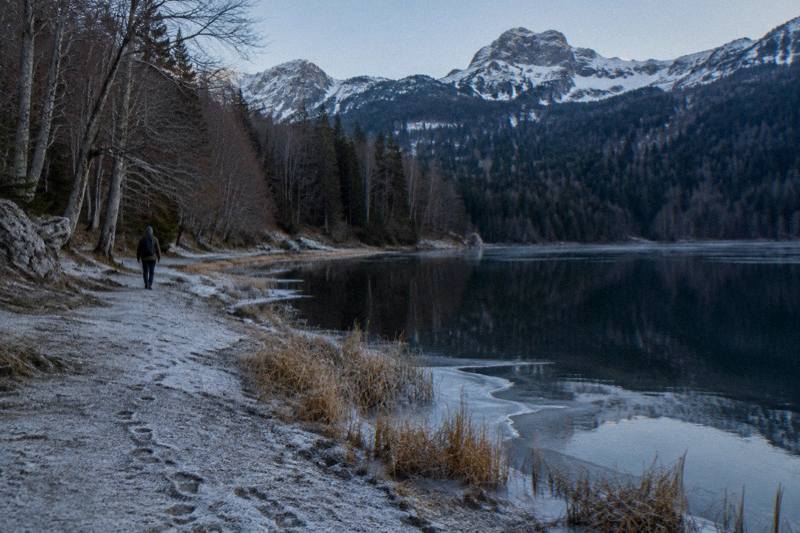
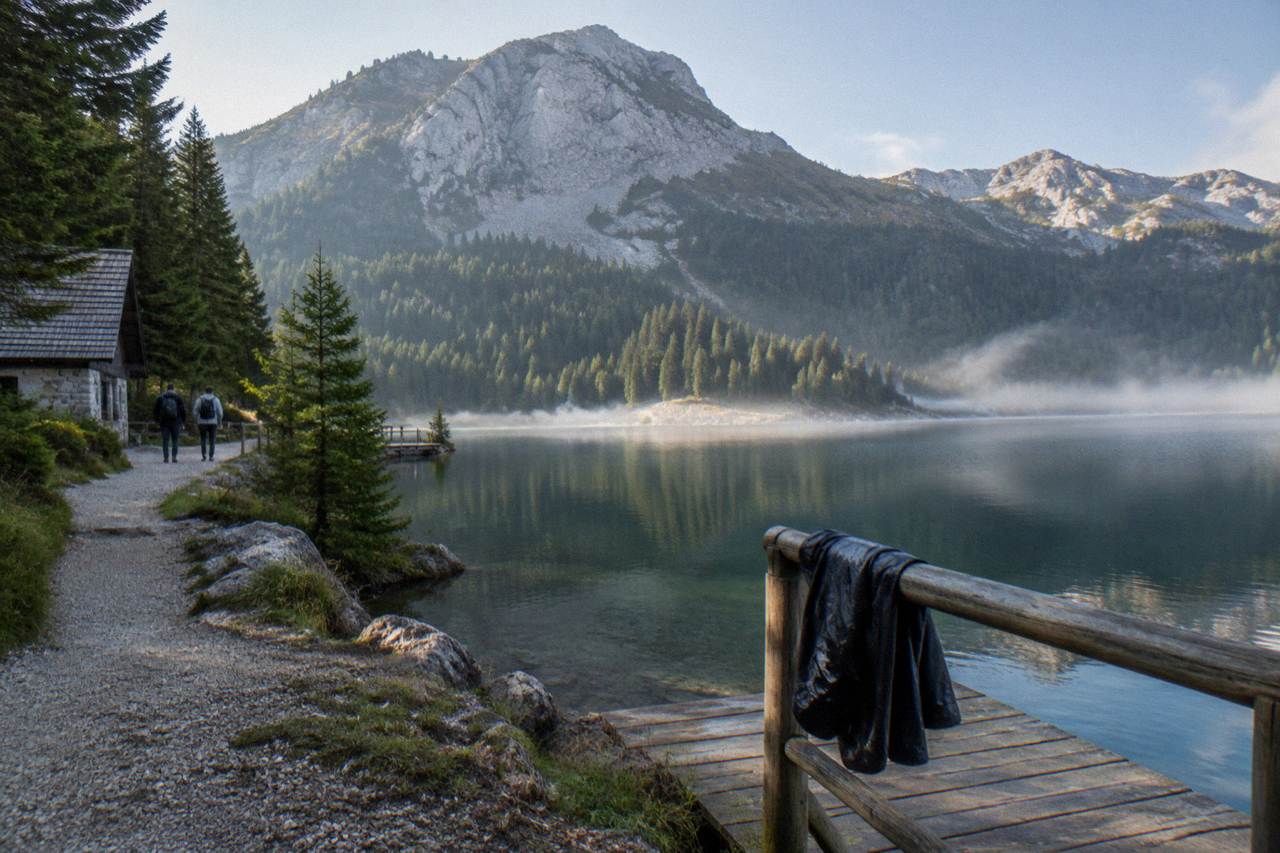
Black Lake, Crno Jezero in Montenegrin, is the place where most visitors meet Durmitor National Park for the first time. It is close, it is walkable, and it delivers the signature view, dark water against pine forest with the rock wall of Medved above. The town of Zabljak, at 1,456 m the highest municipality in the Balkans region, sits a short stroll away and works as the base for everything else in the park: the Tara Canyon, the Durmitor Ring road, the Djurdjevica Tara Bridge and the seasonal rafting runs.
This guide walks through what the lake and the town actually offer, what they cost, how the mountain weather behaves month by month, and whether you should drive yourself or take one of the organized day trips. Where a figure is official, it comes from the national park's own price list; where it is a tour price, it comes from the operator's live listing.
What Is Black Lake And Why Does It Anchor A Durmitor Trip?
Black Lake is a glacial lake at the edge of Zabljak, the lowest and most accessible of Durmitor's 18 ice-carved lakes, reached on foot from the town in roughly 15 to 20 minutes. It is the one Durmitor sight that requires no car at the far end, no guide and no fitness, which is exactly why nearly every itinerary in the region, from cruise day trips to multi-day loops, puts it first.
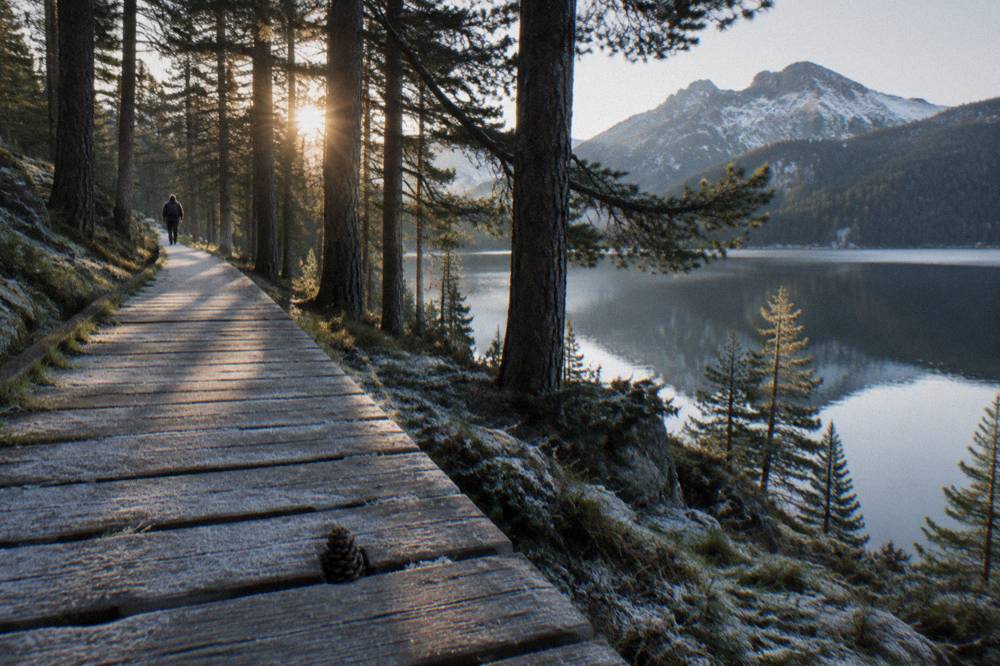
The lake is really two basins, Veliko Jezero and Malo Jezero, the big lake and the small lake, joined by a narrow channel. In dry summers the channel empties and the two become separate pools; in spring, when snowmelt fills the basin, they merge into one sheet of water. A maintained path circles the whole thing. Most people complete the loop at a walking pace in about an hour and a half, and the national park's ticket, EUR 5 per person per day, covers the educational paths and the visitor centre on the lake shore as well. Children under 15 enter free, and an annual pass valid in all five Montenegrin national parks costs EUR 13.50, worth it only if your trip also touches, say, Lovcen or Skadar Lake.
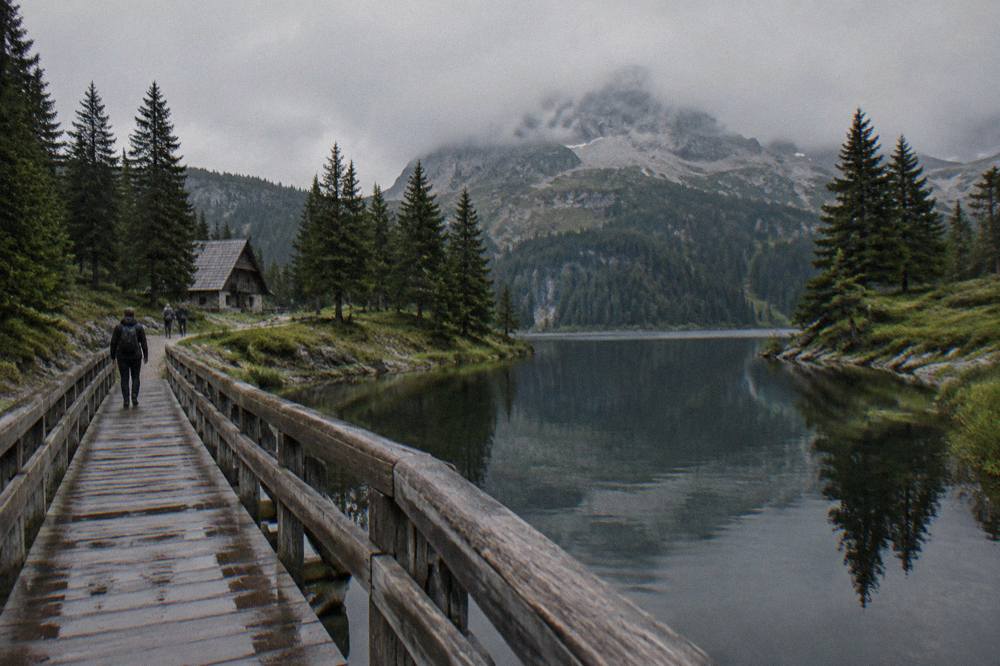
What makes the lake work as an anchor is its position rather than its size. It lies at the opening of the valley, before the road climbs toward Savin Kuk and the high interior. A visitor with one afternoon in Zabljak walks to the lake, does the loop, and has seen the postcard version of Durmitor. A visitor with two days uses the same trailhead as a warm-up for longer routes deeper into the park. In both cases the lake is the fixed point around which the rest of the plan is built.
The two-basin character also explains the colour that gives the lake its name. The water is not polluted or strange; it is dark because it is deep and because the pine forest around it reflects in it for most of the day. Early morning and late afternoon, when the sun angle drops, the surface goes almost black against the grey of Medved, the bear, the peak that stands over the western shore.
For travellers coming from the coast rather than staying in Zabljak, the lake is nearly always bundled with the Tara Canyon in a single long day. The Black Lake and Tara Canyon day trip from Budva, rated 4.3 from 100 reviews and priced from $79 per person, is the coastal version of this: around 13 hours door to door, with the lake walk and the canyon viewpoints in one package. Compare it against the wider field in the Durmitor and Tara day trip guide if Durmitor is the centrepiece of your trip.
How Much Does It Cost To Visit Black Lake And Zabljak?
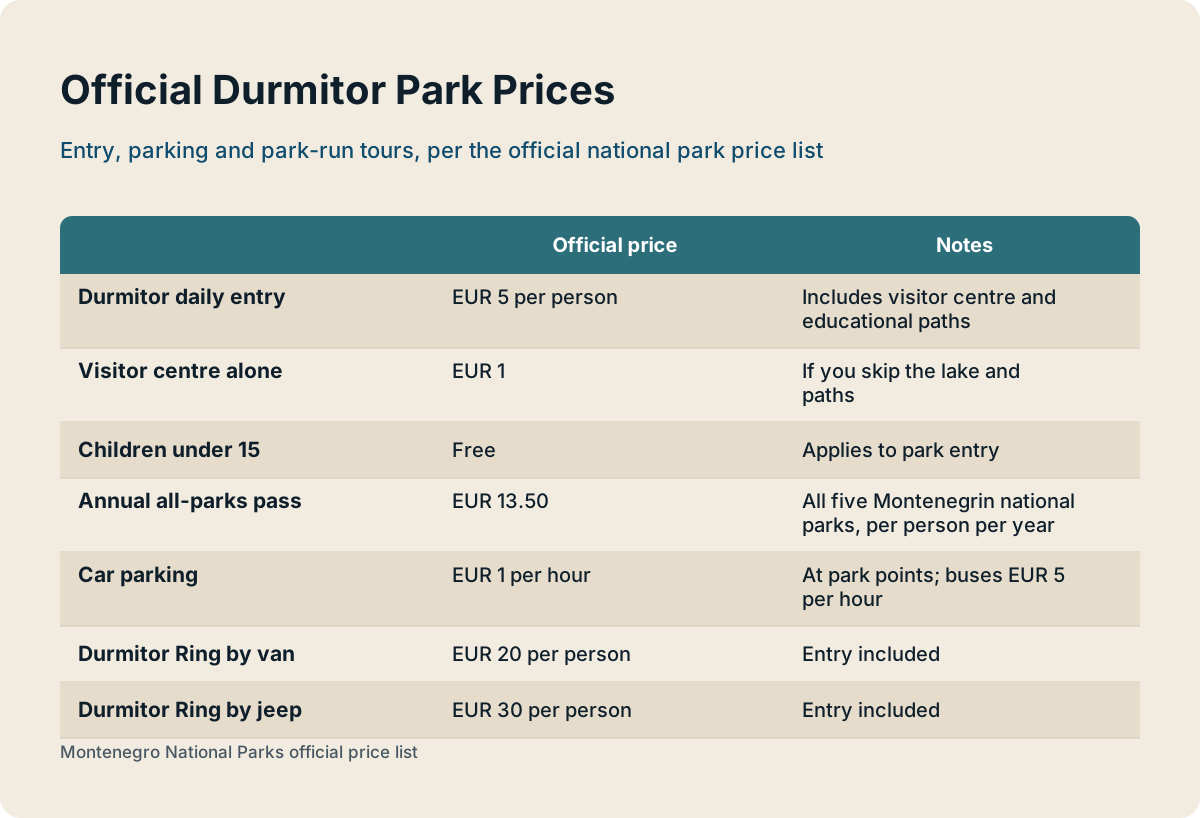
Count on EUR 5 per adult per day for park entry, children under 15 free, plus EUR 1 per hour to park a car at the park points, per the official national park price list. An annual ticket covering all five national parks costs EUR 13.50 per person per year. Guided tours are separate and priced in dollars on their listings, from $79 per person for a coastal day trip to around $200 for a full-day rafting package.
The official figures from the Montenegro National Parks price list are the backbone of any budget here, so they are worth laying out in full. The daily Durmitor ticket includes the visitor centre at the Black Lake shore and the educational paths. Parking is charged per vehicle at the park points. The Durmitor Ring tour organized by the park itself runs EUR 20 per person by van with entrance included, or EUR 30 per person by jeep, which is a useful benchmark when comparing commercial jeep safaris.
| Item | Official price | Notes |
|---|---|---|
| Durmitor daily entry | EUR 5 per person | Includes visitor centre and educational paths |
| Visitor centre alone | EUR 1 | If you skip the lake and paths |
| Children under 15 | Free | Applies to park entry |
| Annual all-parks pass | EUR 13.50 | All five Montenegrin national parks, per person per year |
| Car parking | EUR 1 per hour | At park points; buses EUR 5 per hour |
| Park Durmitor Ring by van | EUR 20 per person | Entry included |
| Park Durmitor Ring by jeep | EUR 30 per person | Entry included |
Note that the visitor data behind these fees has been climbing: by mid-August 2026 the national parks collectively reported around 770,000 visits, up 13 percent year on year, with Durmitor itself up about 15 percent on some measures and ticket revenue across the parks near EUR 3.3 million. A proposal to raise Durmitor's high-season entry to EUR 8 was announced in September 2026 but was not confirmed as implemented, so budget on the EUR 5 figure and treat anything higher as a possibility to check at the gate.
On top of the park fees come the commercial tours, which are sold in US dollars on their listings. The Durmitor, Tara and Ostrog day trip from Kotor, 13 hours with Gray Line Montenegro, is rated 4.7 from 2,645 reviews and costs from $120 per person. The full-day Durmitor experience most comparable to a self-drive plan is the trio below: the Black Lake and Tara Canyon trip, the long combined day trip, and the rafting run with park entry included.
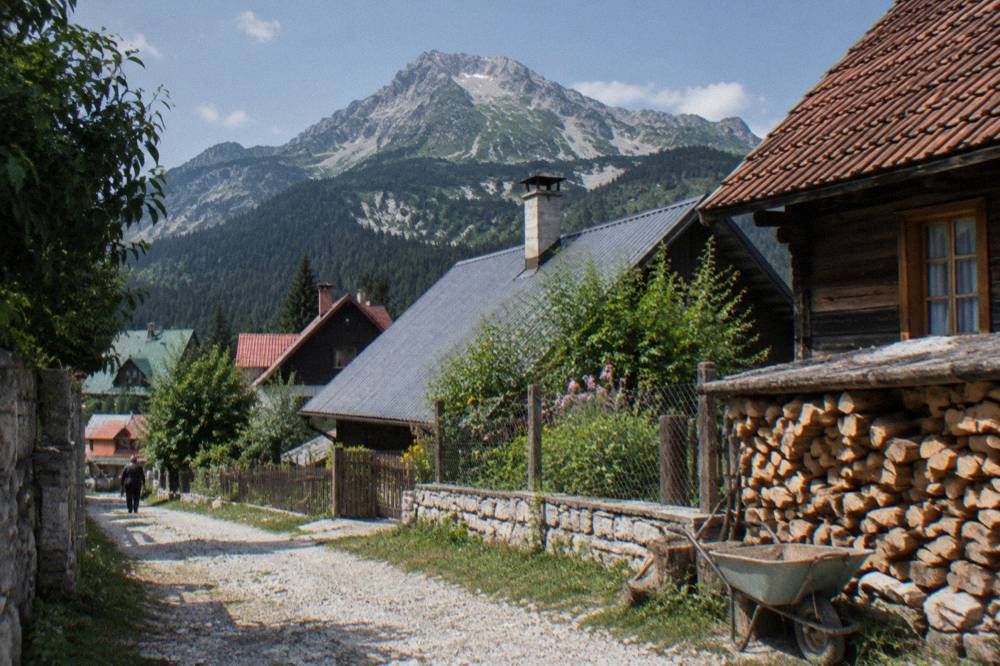
Zabljak itself is cheap to be in. The town is small, a few streets of hotels, apartments and restaurants, and everything is walkable. Meals run mountain-portions hearty; the local economy is hiking and skiing, not resort pricing. Accommodation prices vary with season and are best checked directly, since this site only carries verified figures.
Tour Or Self-Drive: Which Way To See Black Lake And Durmitor?
Self-drive if you have two or more days in the north and want to hike beyond the lake loop; take a tour if Durmitor is a single-day detour from the coast. The winding mountain drive from the Bay of Kotor to Zabljak eats most of a morning, so a one-day self-drive leaves little time at the lake, while a 13-hour tour day adds commentary, the canyon stop, and solved logistics.
The arithmetic is the whole argument. The coastal towns to Zabljak is a long drive on each leg. A self-driver leaving Budva or Kotor in the morning arrives at Black Lake around midday, walks the loop, and faces the same drive back at dusk. A tour compresses this into a package: pickup where the listing states it, the lake walk, a canyon viewpoint, sometimes Ostrog Monastery on the return leg, and no mountain driving at night.
| Factor | Self-drive | Guided day trip |
|---|---|---|
| Best for | Two or more days, hikers, photographers | One-day visit from the coast |
| Typical cost | Park entry EUR 5, parking, fuel, rental | From $79 to $120 per person |
| Time at the lake | As long as you like | Fixed, usually about an hour at the loop |
| Tara Canyon stop | You choose, Djurdjevica Bridge is free to visit | Included in most itineraries |
| Winter feasibility | Depends on snow and rental-car rules | Operator decides; check the listing |
| Effort | Several hours of mountain driving each way | None beyond the meeting point |
Two cautions on the self-drive side. Rental contracts in Montenegro sometimes restrict winter mountain driving; check the terms before counting on a Zabljak run between December and March, when Zabljak's January mean daily minimum sits at -7.4 C and snow is the norm. And the park's rules prohibit off-road driving and require staying on marked routes, so a standard car is the right tool; the Durmitor Ring, an 80 km and more circular route around the massif, is paved and drivable in an ordinary vehicle in normal conditions.
If you lean toward the guided side, the comparison worth making is between the Budva-departed Black Lake and Tara Canyon day trip (4.3 from 100 reviews, from $79) and the Kotor-departed Durmitor, Tara and Ostrog tour (4.7 from 2,645 reviews, from $120). The second is longer in every sense and adds the monastery; the first is the tighter, cheaper lake-and-canyon core. Details on the river side of the mountain are in the Tara rafting season and difficulty guide.
What Is The Weather Like In Zabljak Month By Month?
Zabljak is a mountain town with a genuinely alpine rhythm: mean daily maxima run from 2.2 C in January to 22.1 C in August, and the January mean daily minimum is -7.4 C. Summer days are mild rather than hot, exactly the point of escaping the 30 C-plus coast, while winter is real winter with snow on the ground for months. Plan around these numbers, not around the coastal forecast.
The climate normals for Zabljak, from the Hydrological and Meteorological Service records, make the contrast with the coast plain. Podgorica in July averages a 33.9 C daily maximum; Zabljak in the same month averages 21.4 C. That 12-degree gap is why Montenegrins themselves head for Durmitor in summer, and why the lake loop at midday in July is comfortable rather than punishing.
| Month | Mean daily maximum C | Month | Mean daily maximum C |
|---|---|---|---|
| January | 2.2 | July | 21.4 |
| February | 2.6 | August | 22.1 |
| March | 5.5 | September | 16.5 |
| April | 9.7 | October | 12.8 |
| May | 14.7 | November | 7.8 |
| June | 18.8 | December | 3.2 |
Read the table honestly. May looks inviting at 14.7 C, but May is also the tail of the snowmelt, when the Tara runs at its wildest and high trails still hold drifts. October at 12.8 C is one of the most reliable months for the lake loop: stable, quiet, and cold at night. Winter visitors are mostly skiers; the ski lifts at Zabljak and nearby Kolasin operate when conditions allow, typically mid-December to early or mid-April, and the 2025/26 opening at the state-run Kolasin area happened in mid-December without sufficient natural snow, a reminder that winter scheduling up here follows the weather, not the calendar.
Rain matters less than you might expect in the planning, because the lake loop is a low-level walk doable in light rain. What actually closes things down is wind and ice, and in shoulder months fog on the approach roads. The general seasonal patterns for the whole country, including when the coast and the mountains disagree, are covered in the best time to visit Montenegro guide.
What Can You Do Around Zabljak Besides The Lake Loop?
Four activities dominate: the Durmitor Ring by jeep or van, the Djurdjevica Tara Bridge with its zip line, Tara River rafting from May to October, and the higher hiking trails from Savin Kuk upward. The bridge is free to visit, about 25 km from Zabljak; the zip line tour on this site costs from $62 per person; jeep safaris run around four and a half hours; and rafting trips run from $56 per person depending on format and lunch inclusions.
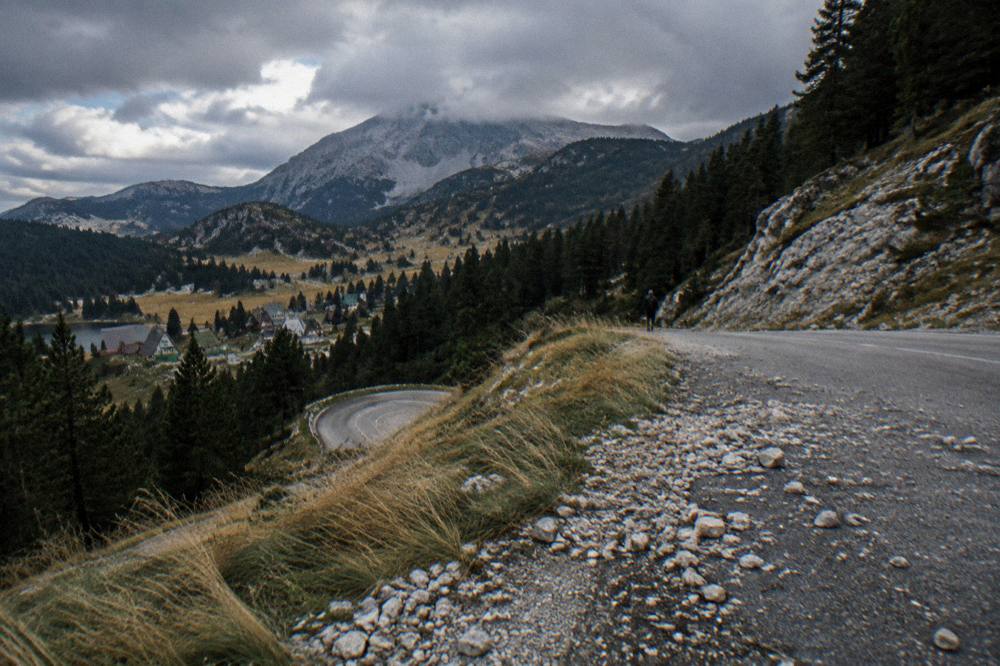
The Durmitor Ring is the classic second day. It is a circular route of roughly 80 km around the massif, stopping at viewpoints like Sedlo Pass, the highest paved road point in the park, the Susica Canyon and mountain villages. You can drive it yourself in a normal car when the roads are clear, or take the park's own organized version at EUR 20 per person by van with entry included. Commercial jeep safaris add guiding and shorter formats; the Zabljak Durmitor jeep safari on this roster runs about 4.5 hours from $112 per person, rated 4.6 from a small pool of 20 reviews, so read the recent feedback rather than trusting the number alone.
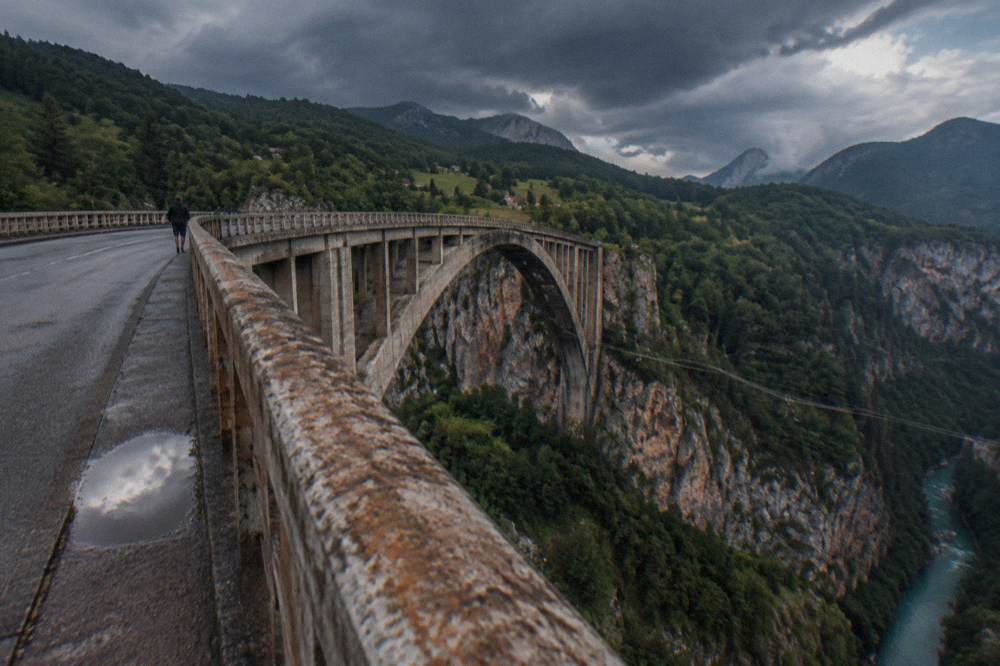
The Djurdjevica Tara Bridge, 25 km and roughly half an hour's drive from Zabljak, spans the Tara Canyon, the river's 78 km gorge whose greatest depth between Obzor and Stuoc reaches 1,333 m. The Tara is Montenegro's longest mountain river at 144 km, and standing on the bridge with the gorge dropping away below is the single best free viewpoint in the north. The zip line strung across the canyon is the paid thrill; the Tara Bridge zip line tour is rated 4.5 from 133 reviews and costs from $62 per person.
Rafting is the third pillar. The commercial season generally runs May to October, with May and June at their wildest on snowmelt and July and August gentler and warmer, around 20 C water. Trips on this roster range from a 4-hour Tara Canyon run from $56 per person (4.8 from 138 reviews) to a 3-hour trip with park entry included from $95 (4.8 from 388 reviews) and a whole-day version with lunch from $202. The national tourism organisation's own figures put a standard one-day trip around EUR 70 per person, so treat listing prices as listing prices, not official rates. What each trip actually covers, and how hard the water is by month, is laid out in the Tara River rafting season guide.
Beyond those three, there is hiking. Trails from the lake and from Savin Kuk reach the park's higher lakes and ridges, and the visitor centre at the Black Lake shore is the place to confirm conditions; its hours extend in peak summer but sit around 08:00 to 15:00 outside it. Park gates and booths are typically staffed June to October, though the park itself is open around the clock.
How Many Days Should You Spend, And How Does Durmitor Fit A Wider Trip?
One night is the sweet spot for most travellers: arrive, walk the lake loop at golden hour, sleep in Zabljak, and spend the next day on the Ring, the bridge or the river before descending. Two nights add genuine hiking. Day trips from the coast without a night in Zabljak work but compress everything into the lake, one viewpoint and a long drive; they make sense only when the coast is your fixed base and Durmitor is a detour.
The reason the overnight wins is the same reason the tours are 13 hours long: the north is far from the coast, and distance is the whole cost of a Durmitor day. Sleeping in Zabljak converts dead driving hours into an evening and a morning in the mountains, which in summer means the lake at its calmest and darkest, before the day buses arrive.
| Trip shape | Time needed | What you get | What you miss |
|---|---|---|---|
| Coastal day trip | 11 to 13 hours | Lake loop plus a canyon stop | The Ring, hiking, unhurried anything |
| One night in Zabljak | 2 days | Loop, Ring or bridge, relaxed pace | Multi-day hikes, rafting plus Ring both |
| Two nights | 3 days | Everything above plus rafting or a big hike | Nothing major |
| Multi-day north loop | 4 days or more | Durmitor plus Tara, Ostrog, canyons | Coast time |
For itinerary building, Durmitor pairs naturally with Ostrog Monastery on the drive between the coast and the mountains, which is exactly the structure of the 13-hour Durmitor, Tara and Ostrog combination tours, and with the Tara rafting camps around Scepan Polje on the western edge. Wider routing ideas, including how many days to give the country as a whole, are in the Montenegro itinerary guide.
One practical note on timing within the day: the lake loop is best before 10:00 or after 16:00 in July and August, both for light and for crowd rhythm, since coach groups from the coast arrive around midday. The official Durmitor figures on this page come from the national park price list, and the Tara figures from the national tourism organisation's rafting page; re-check both before a trip, since the September 2026 fee proposal showed park pricing can move.
For travellers weighing Durmitor against a second coastal day, Montenegro Tours compares the two directly in its guide to day trips from Budva, where the mountain day and the bay day sit side by side.
What Should You Actually Pack For The Lake And The Town?
Pack layers even in August: Zabljak's summer mean maximum is only 22.1 C and evenings fall toward single figures, while winter demands full snow gear with a January mean minimum of -7.4 C. Sturdy shoes matter more than boots on the loop itself, and in the shoulder months rain gear and a warm layer for the windy canyon viewpoints make the difference between a good stop and a short one.
The packing logic follows the altitude. A visitor coming up from Budva in July leaves a 30 C beach and arrives in a town where the afternoon average is 21.4 C; the same trip in October swaps beach weather for a 12.8 C average and a real chance of wind on the bridge and the pass viewpoints. Detailed lists, including what works for the boat tours travellers usually combine with a north day, are in the what to wear and bring guide.
Cash is the second packing item. The park fee and parking at the points are cash transactions in euros, Montenegro's currency, and small mountain restaurants prefer it too. Cards work in Zabljak's hotels and larger restaurants, but the gate, the bridge vendors and the rafting camps should not be counted on for card payments.
With the lake walked, the fees known and the weather read honestly, the only decision left is the one this guide opened with: a self-driven night in Zabljak or a long, guided day from the coast. Both work, and the three options below are the tours this site's roster supports best for either choice.
Common Questions About Black Lake And Zabljak
How much does it cost to visit Black Lake?
EUR 5 per person per day for Durmitor National Park entry, which includes the Black Lake loop, the educational paths and the visitor centre. Children under 15 enter free, and an annual pass covering all five Montenegrin national parks costs EUR 13.50 per person.
How long is the walk around Black Lake?
The full loop around both basins takes most walkers about 90 minutes at a relaxed pace. It is a low-level, well-maintained path with no significant climbing, suitable for ordinary shoes in dry conditions.
Can you swim in Black Lake?
Swimming is not the point of the lake, and its water stays cold year-round given the 1,456 m altitude. The loop walk and the views are the draw; for swimming, the coast or the milder summer water of the Tara River rafting stretches are better options.
Is Zabljak a good base for Durmitor?
Yes, it is the standard base. At 1,456 m it is the highest town in the region, walking distance from Black Lake, and the practical starting point for the Durmitor Ring, the Djurdjevica Tara Bridge and Tara rafting trips.
When is the best time to visit Black Lake and Zabljak?
July and August for warm, mild hiking weather with a 22.1 C mean maximum, September and October for quiet trails and stable 12.8 to 16.5 C days, and winter for skiing. May offers snowmelt drama but muddy trails and the wildest rafting water.
Can you visit Black Lake on a day trip from the coast?
Yes, though it is a long day of 11 to 13 hours. Guided options include a Black Lake and Tara Canyon day trip from Budva from $79 per person and a Durmitor, Tara and Ostrog tour from Kotor from $120 per person; check each listing for current dates and departure details.